

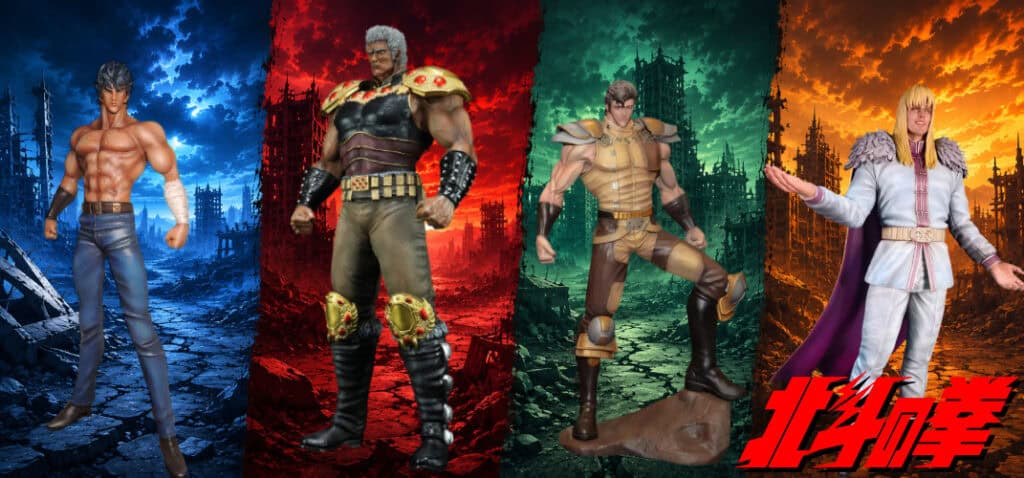
Alongside mass-produced figures, there exists, for Hokuto no Ken, a more confidential parallel world of exceptional richness: that of custom garage kits, original creations and one-day licenses. Behind these terms lies an entire craft driven by enthusiasts, where sculptors and painters give life, by hand, to pieces often produced in only a few copies. This page offers an overview of this world through three of its main facets.
Details
Garage kit, a user’s guide
Originally, a garage kit refers to a figure sold as raw parts that the buyer must assemble and paint themselves, unlike a finished factory product. The term dates back to a time when these handcrafted kits were literally made in garages. Several approaches have developed around this practice, which this page clearly distinguishes.
A custom involves transforming an existing kit or figure by repainting it, modifying its pose, or resculpting certain elements. An original creation starts from scratch to produce figures and statues faithful to the manga but without an official license. The one-day license refers to a temporary authorization system that allows creators to legally sell their licensed works for the duration of a convention. These three worlds share the same commitment to handcrafted production but differ in their relationship to the original work and copyright.
Customs, a second life for kits
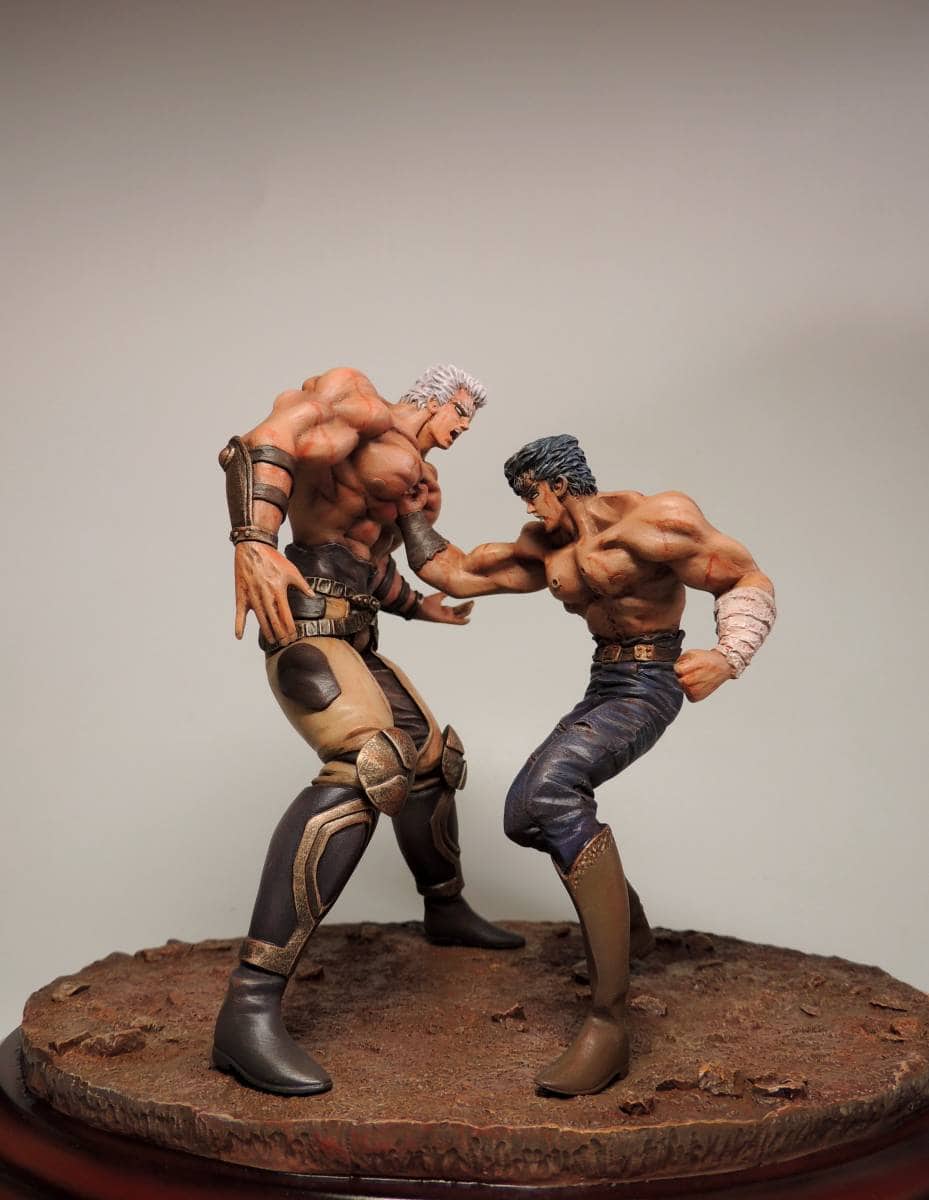
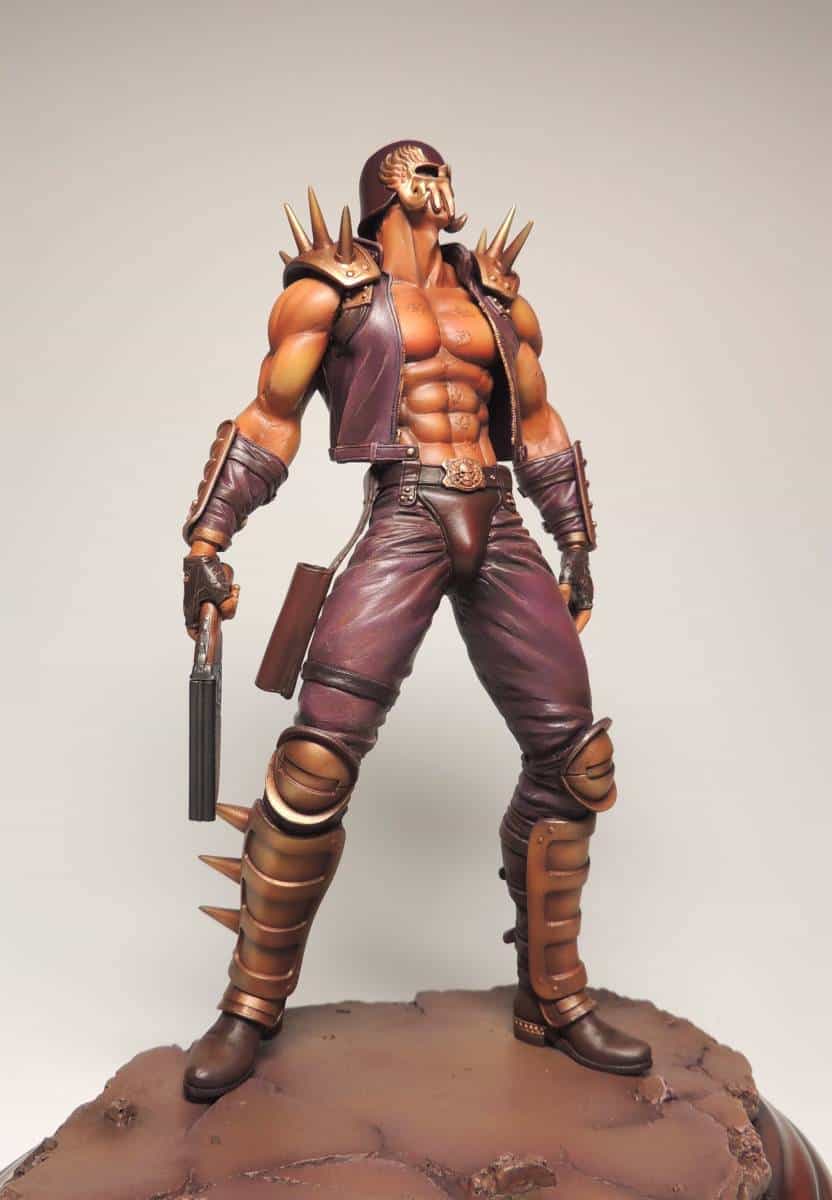
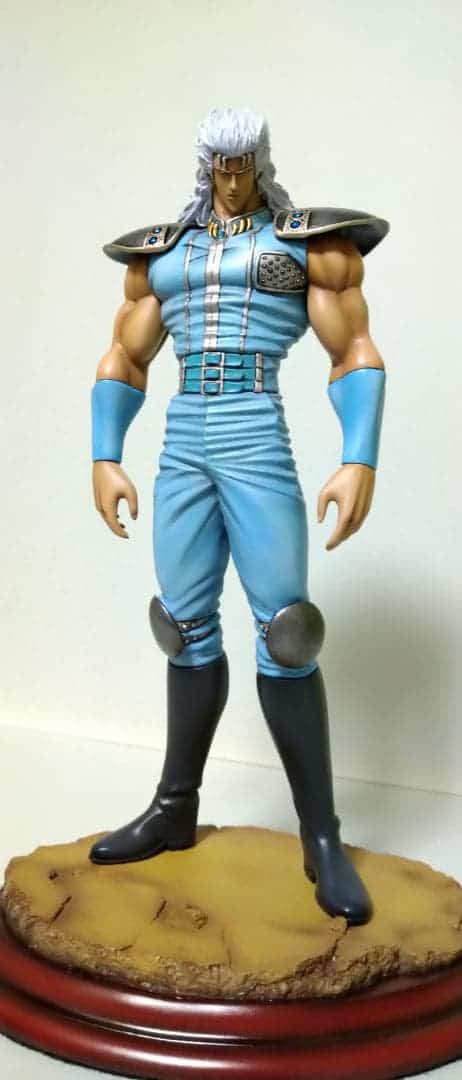
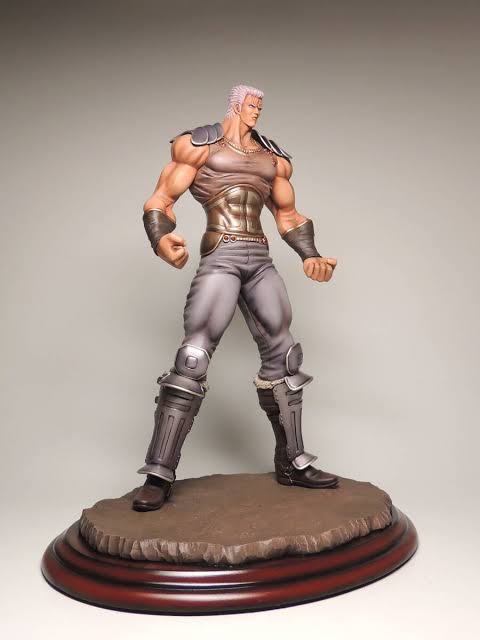
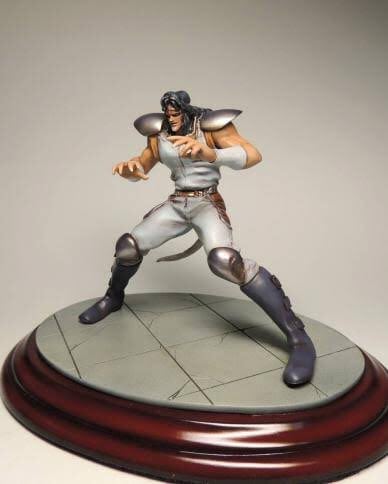
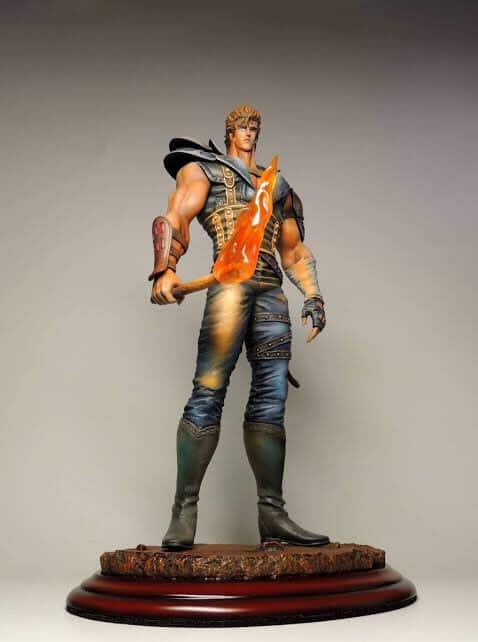
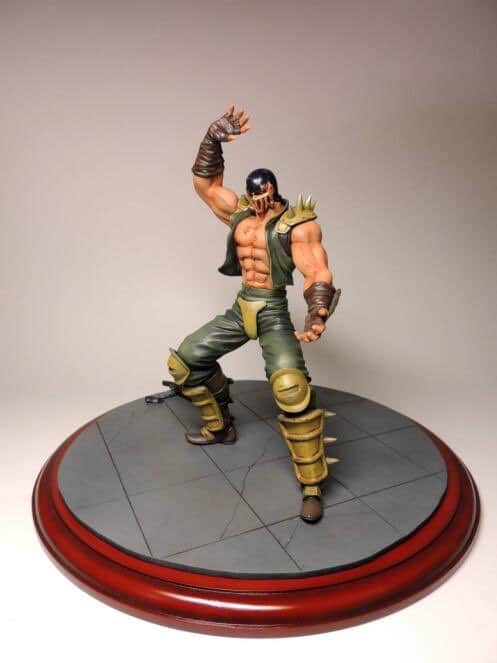
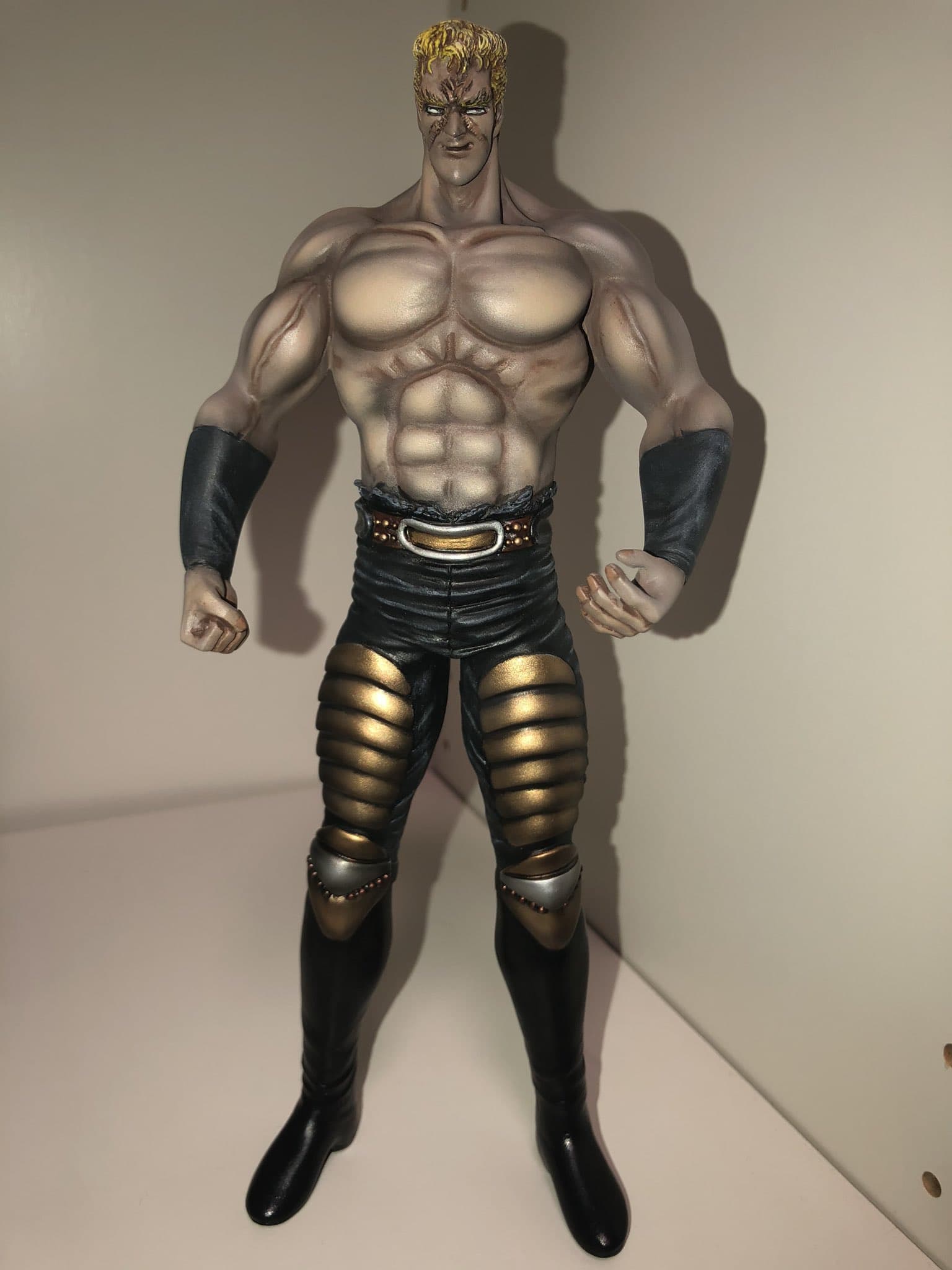
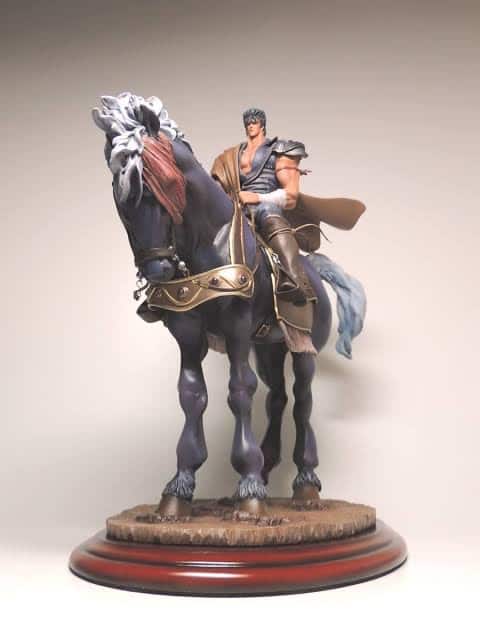
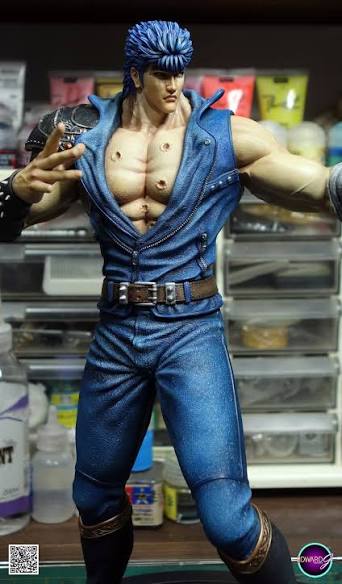
Customizing means taking an official kit and giving it a new dimension. Repainting with an airbrush, modifying a pose with epoxy putty, resculpting a detail, reinforcing a structure with brass, or even creating an entirely new base. Each modification transforms the piece into a unique work of art. In the small world of Hokuto no Ken customs, one name regularly appears on Japanese auctions: yunta820.
Based in Oita Prefecture on the island of Kyushu, this modeler humbly describes himself as a hobbyist who works above all for the pleasure of it. Without a blog or social media presence, he has been discreetly selling his creations on Yahoo! Auctions for several years. Starting from official kits by Kaiyodo or Volks, he modernizes the sculptures with results that command respect. His works reach prices rarely seen for handcrafted creations, between 50,000 and over 350,000 yen, levels comparable to those of official premium statues. His most spectacular creation, depicting Kenshiro riding Kokuoh and made from two Kaiyodo kits, sold for 350,000 yen after eighty-one bids.
Original creations
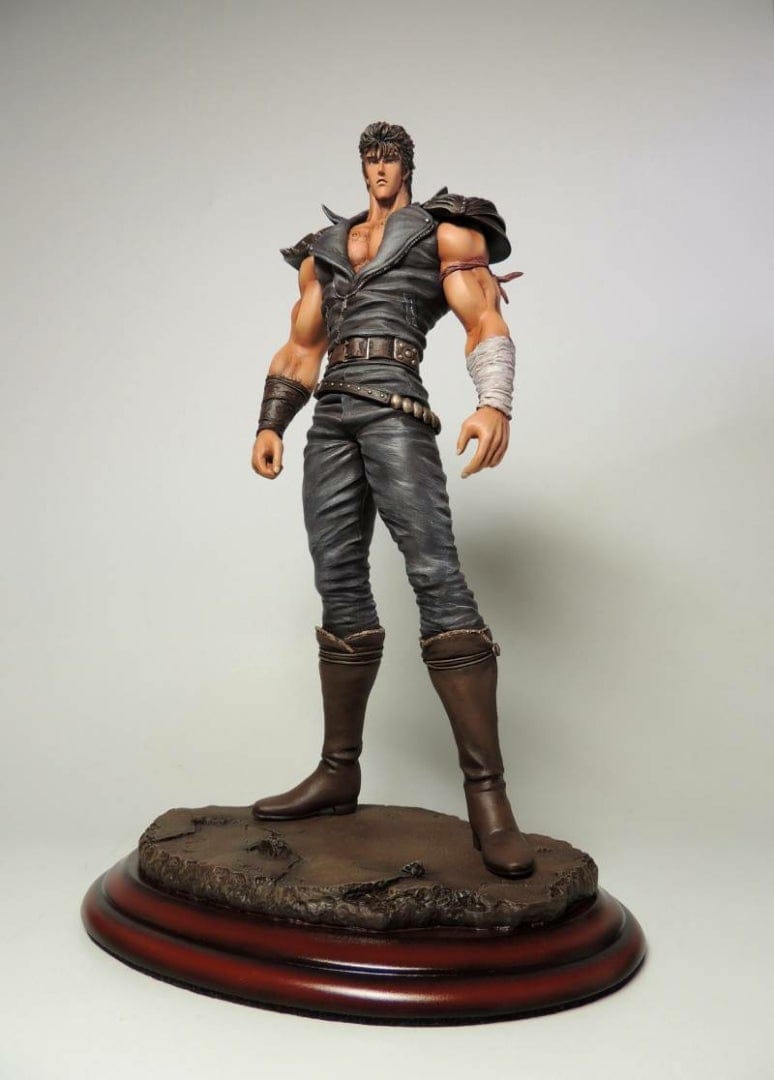
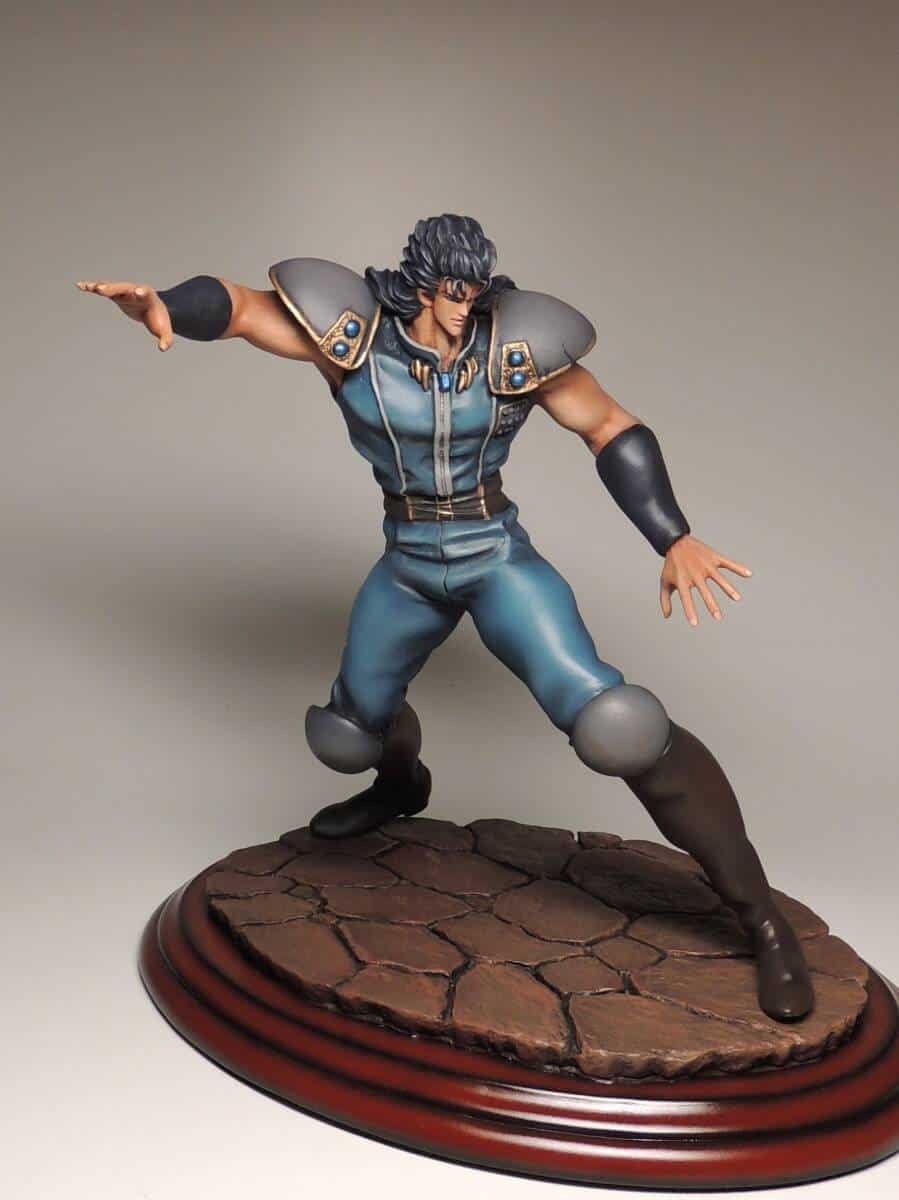
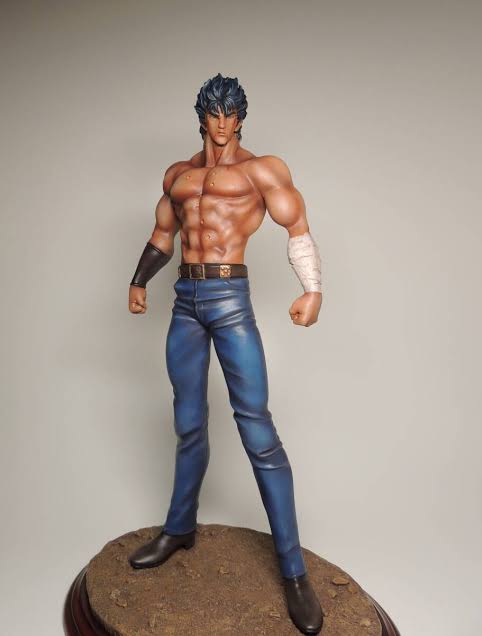
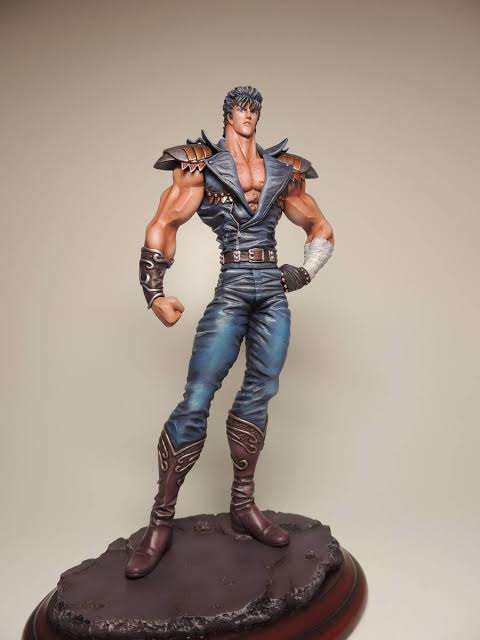
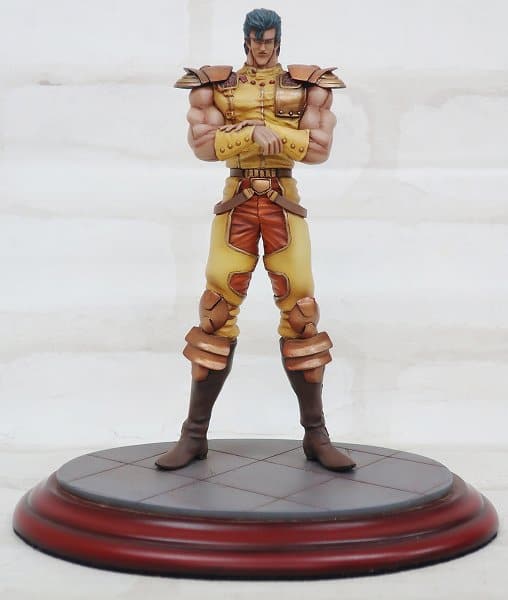
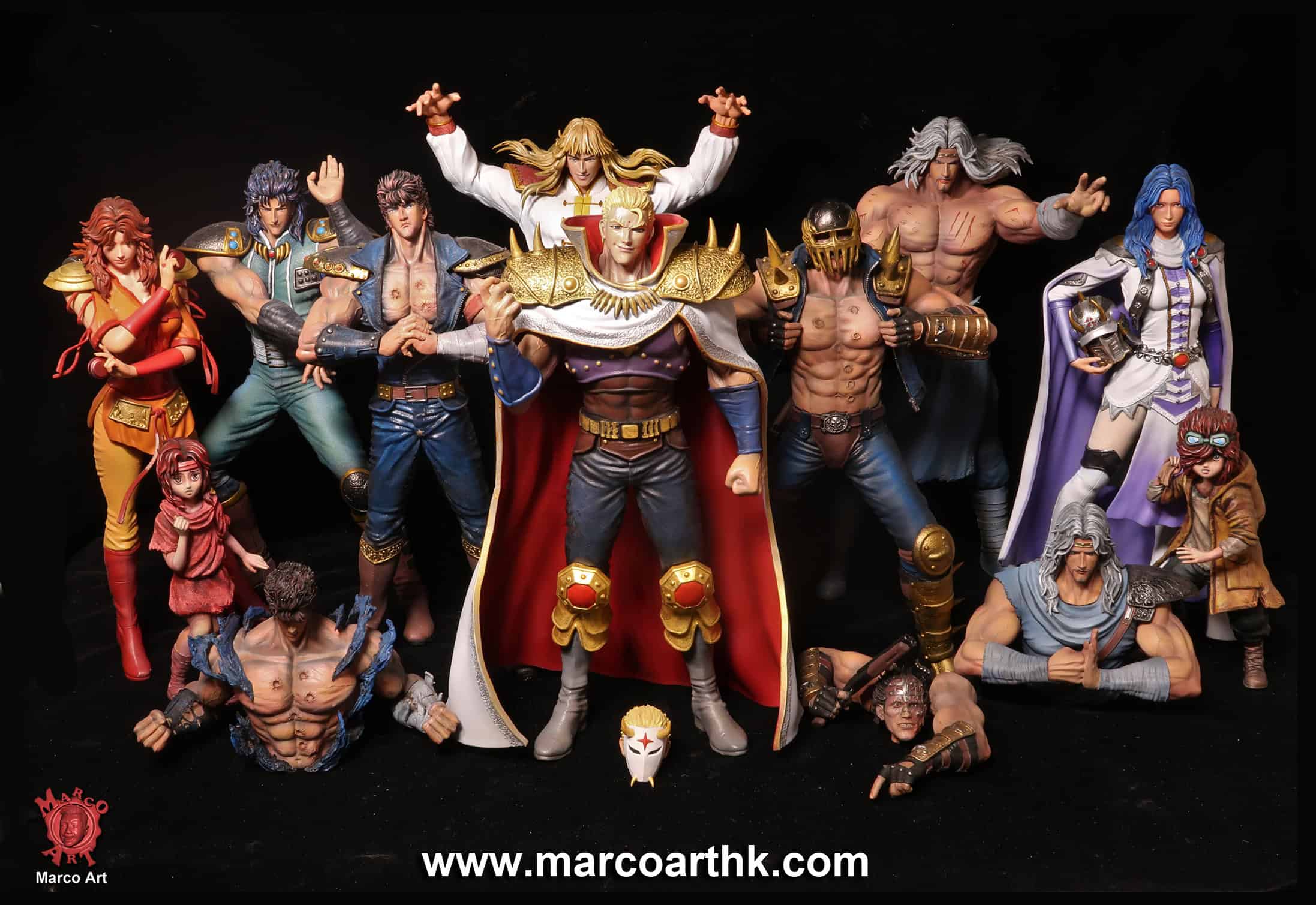
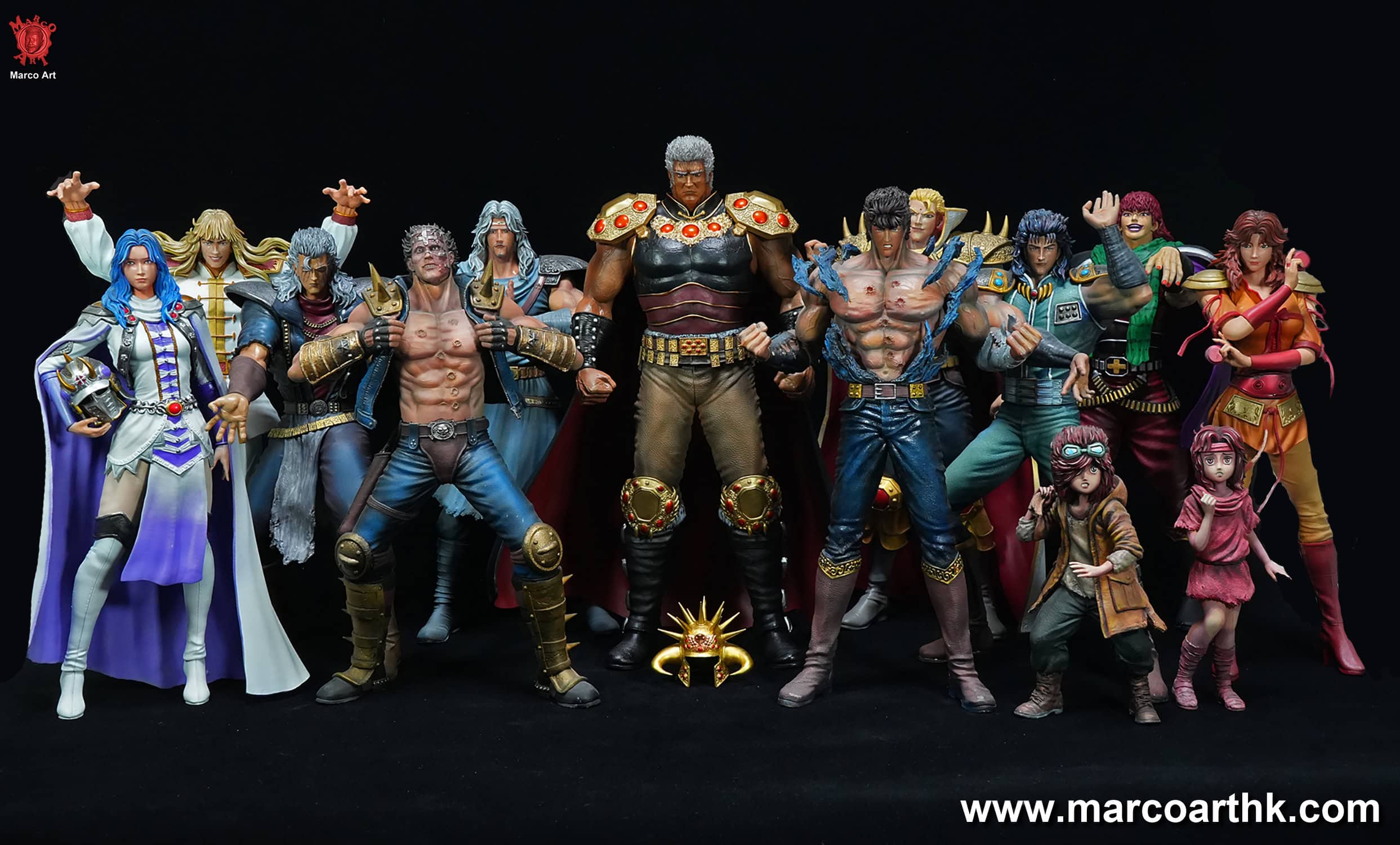
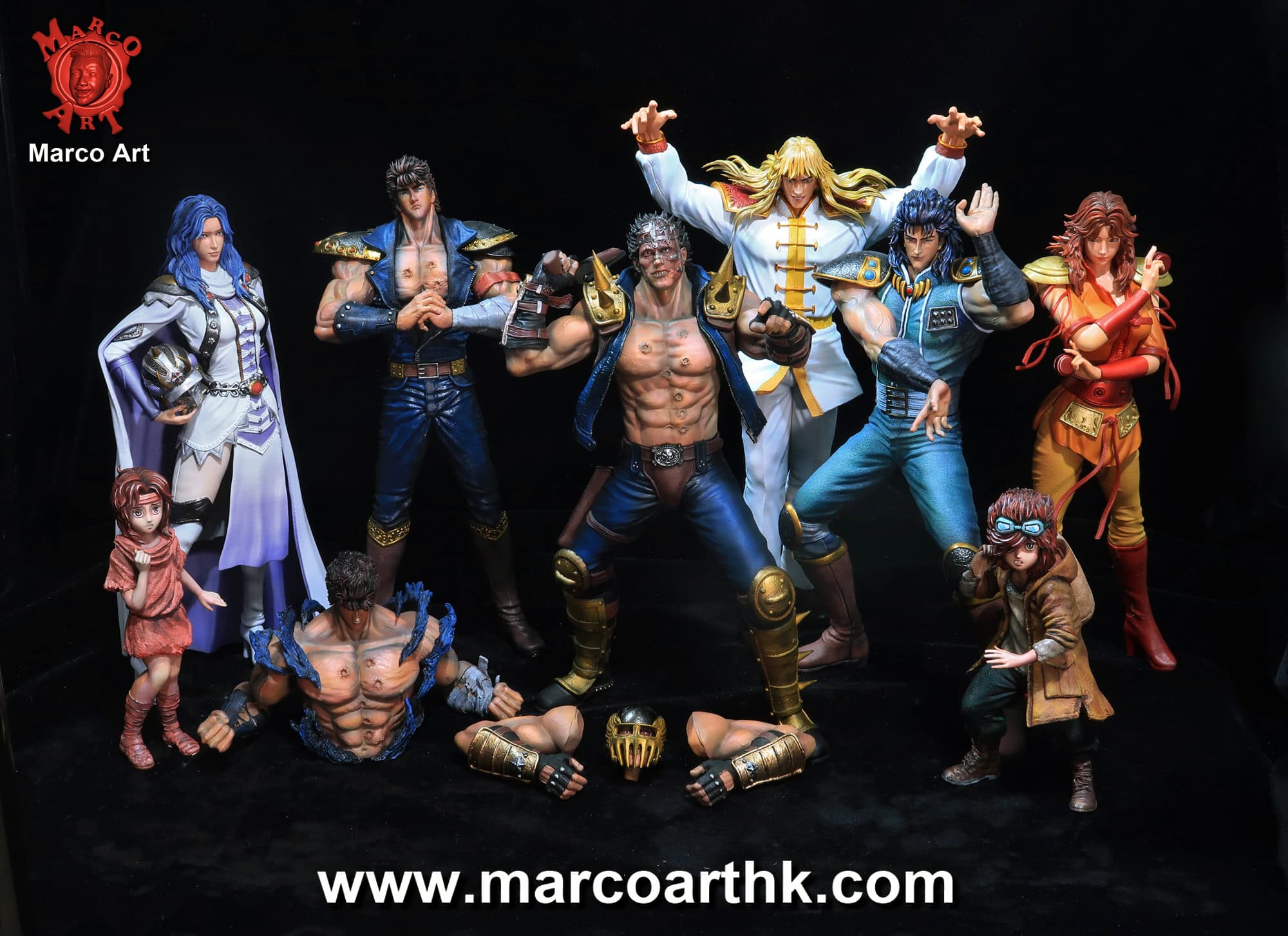
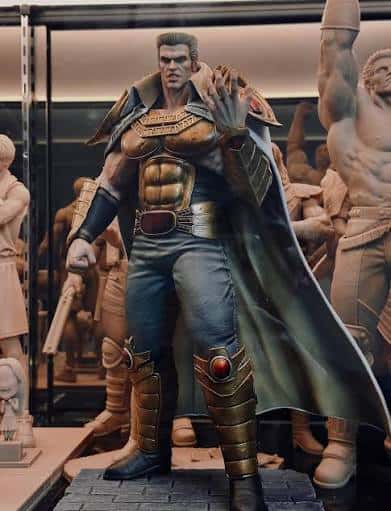
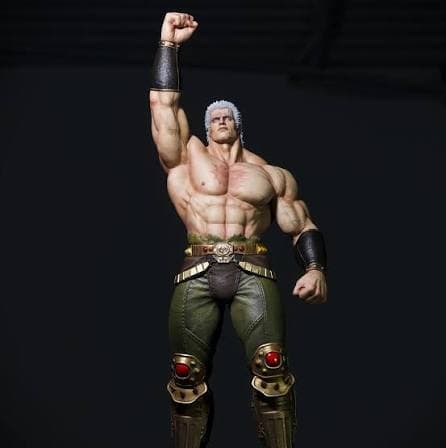
Alongside customizing, which reworks existing kits, another path involves sculpting entirely new pieces. This is the realm of original creation, and Hong Kong-based sculptor Marco Li offers a fine example. Since 2018, this independent artist has been developing a series of 1/6 scale Hokuto no Ken statues, modeled in ZBrush before being produced through 3D printing.
The one-day license, the spirit of Wonder Festival
Another facet of this world, but this time within a perfectly regulated framework: the one-day license. In Japan, the Wonder Festival is the largest event dedicated to figures and modeling. Twice a year, at the Makuhari Messe, thousands of creators come to exhibit their works.
To allow these artisans to sell figures depicting characters protected by copyright, the organizers established an exceptional authorization system valid only during the day of the convention. Called License New Wave, this system is more commonly known as the “one-day license.” It is now one of the pillars of licensed garage kits in Japan.
On the occasion of the fortieth anniversary of Hokuto no Ken, Wonder Festival Winter 2024 paid tribute to the series with a special exhibition titled Waga zokei ni ippen no kui nashi. The title humorously plays on Raoh‘s famous line: his “I have no regrets in my life” becomes here “I have no regrets in my sculpture.” About fifteen creators presented their own vision of the universe imagined by Buronson and Tetsuo Hara.
At this festival, visitors could discover statues of Kenshiro, Raoh, and Juza at Bear Pocket. Also on display were Souther at Sculborns, a bust of Kenshiro at MEDIC, a Jagi helmet at MIDORO, as well as a figure dedicated to the famous battle cry of the series’ raiders. Prices, ranging from 4,000 to 25,000 yen, perfectly reflected the spirit of this event: passion before unreasonable commerce.
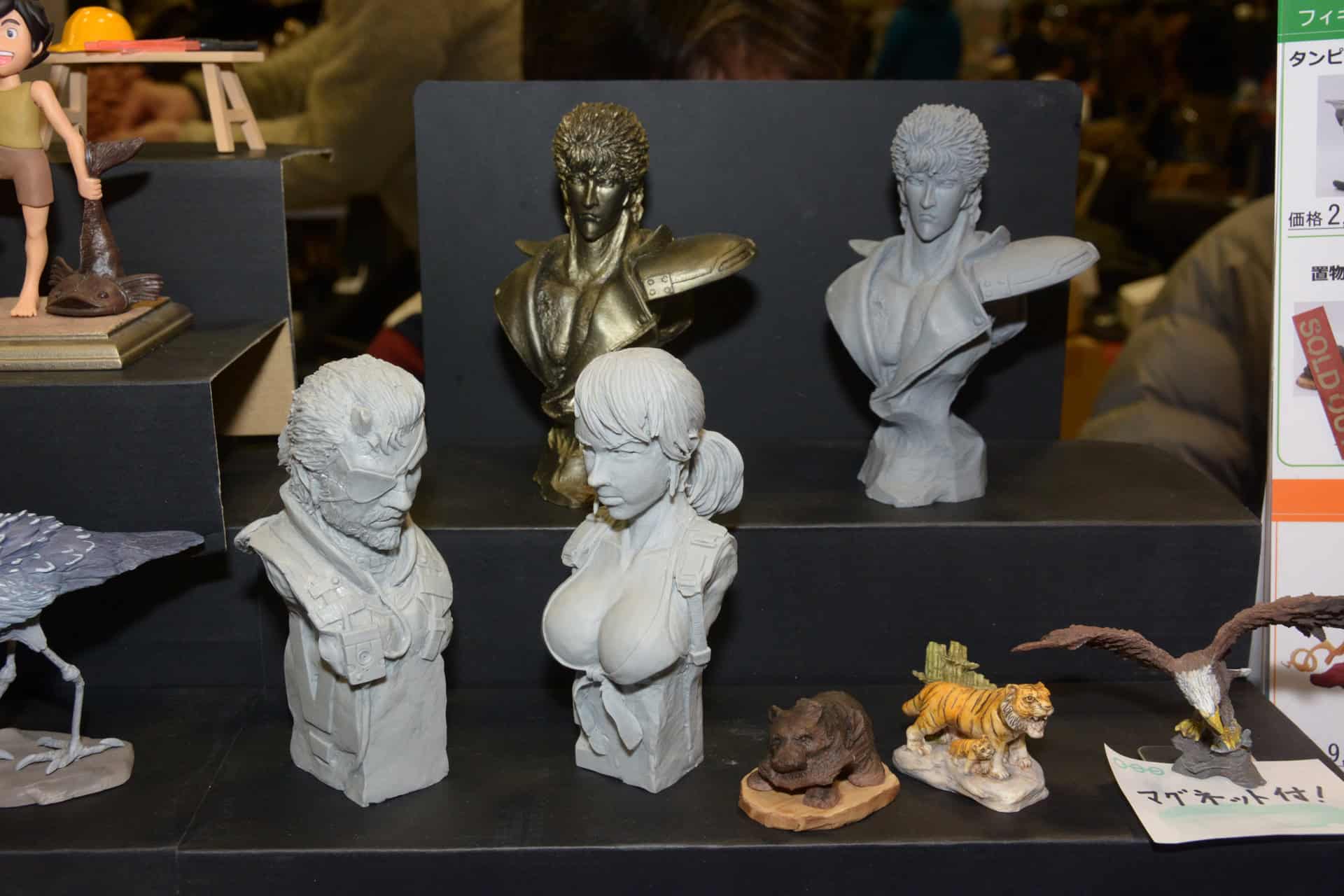
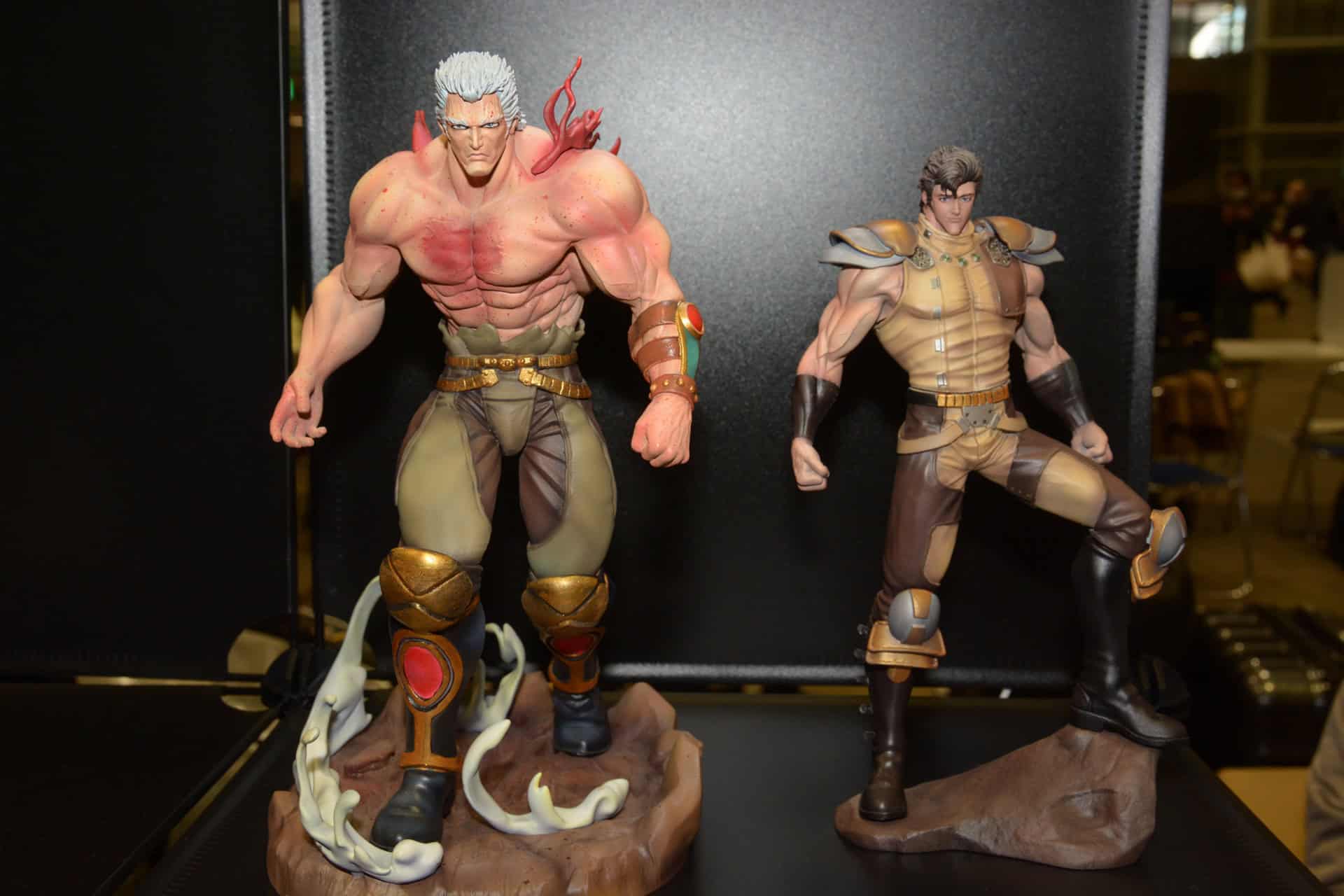
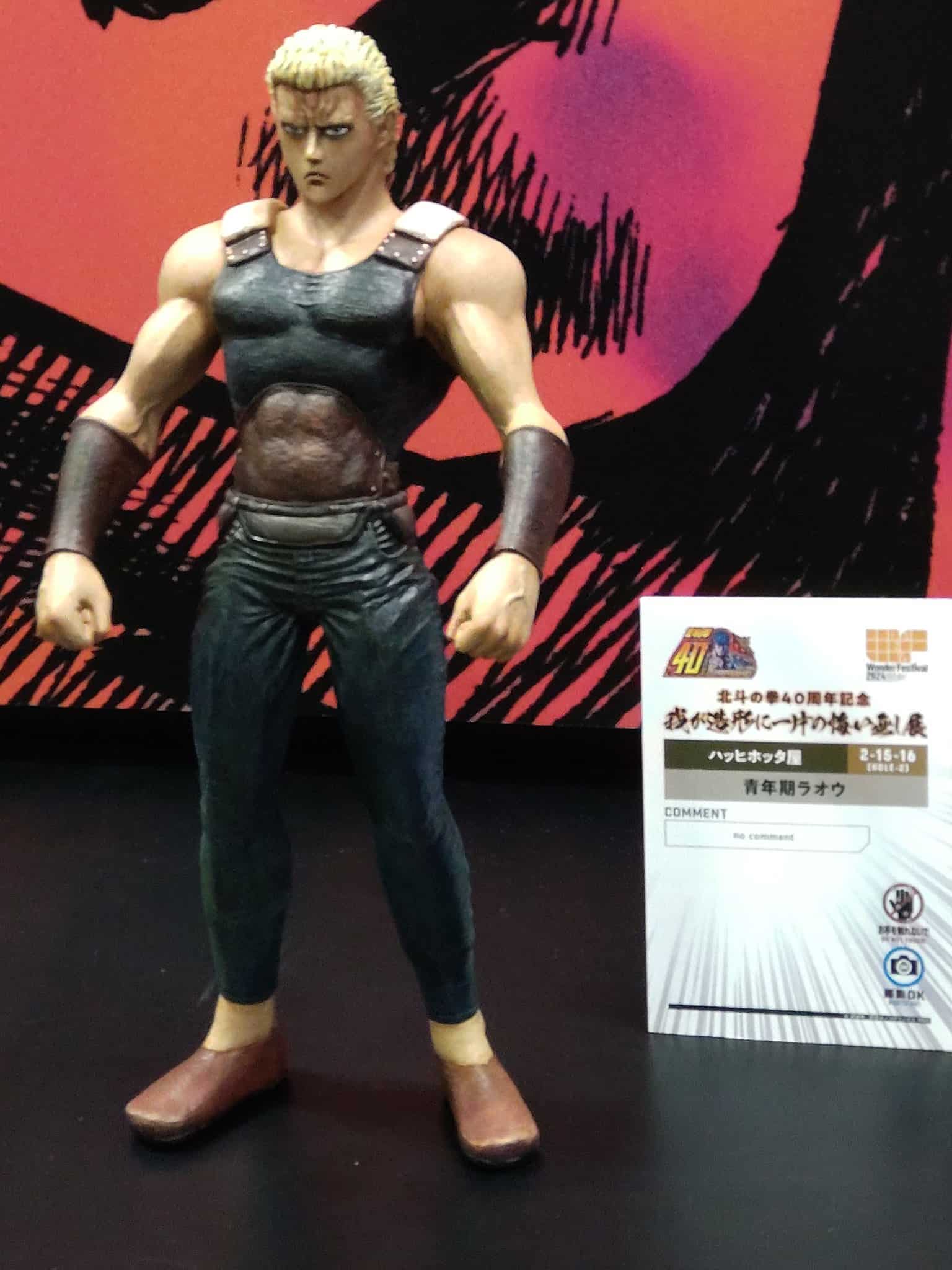
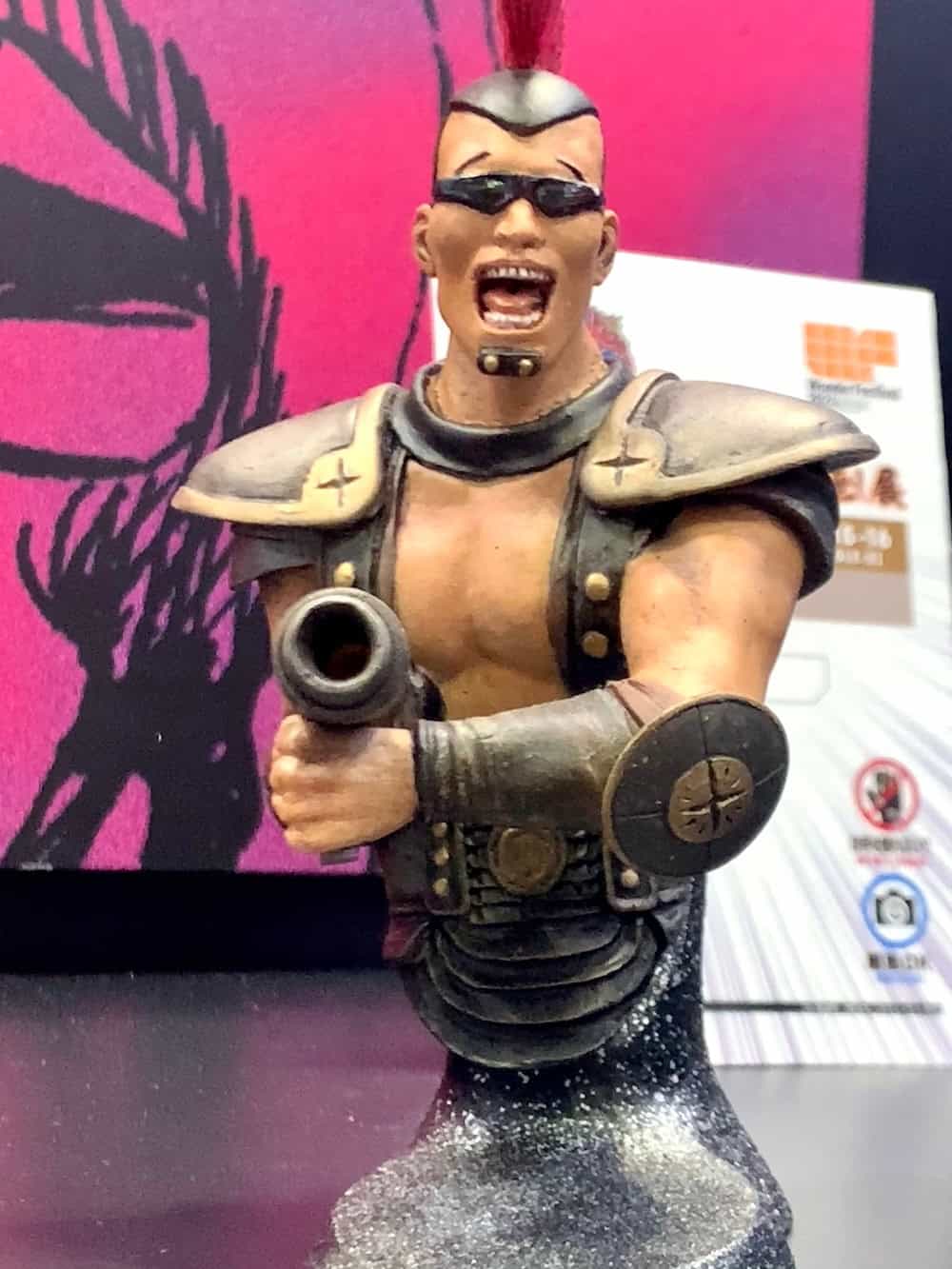
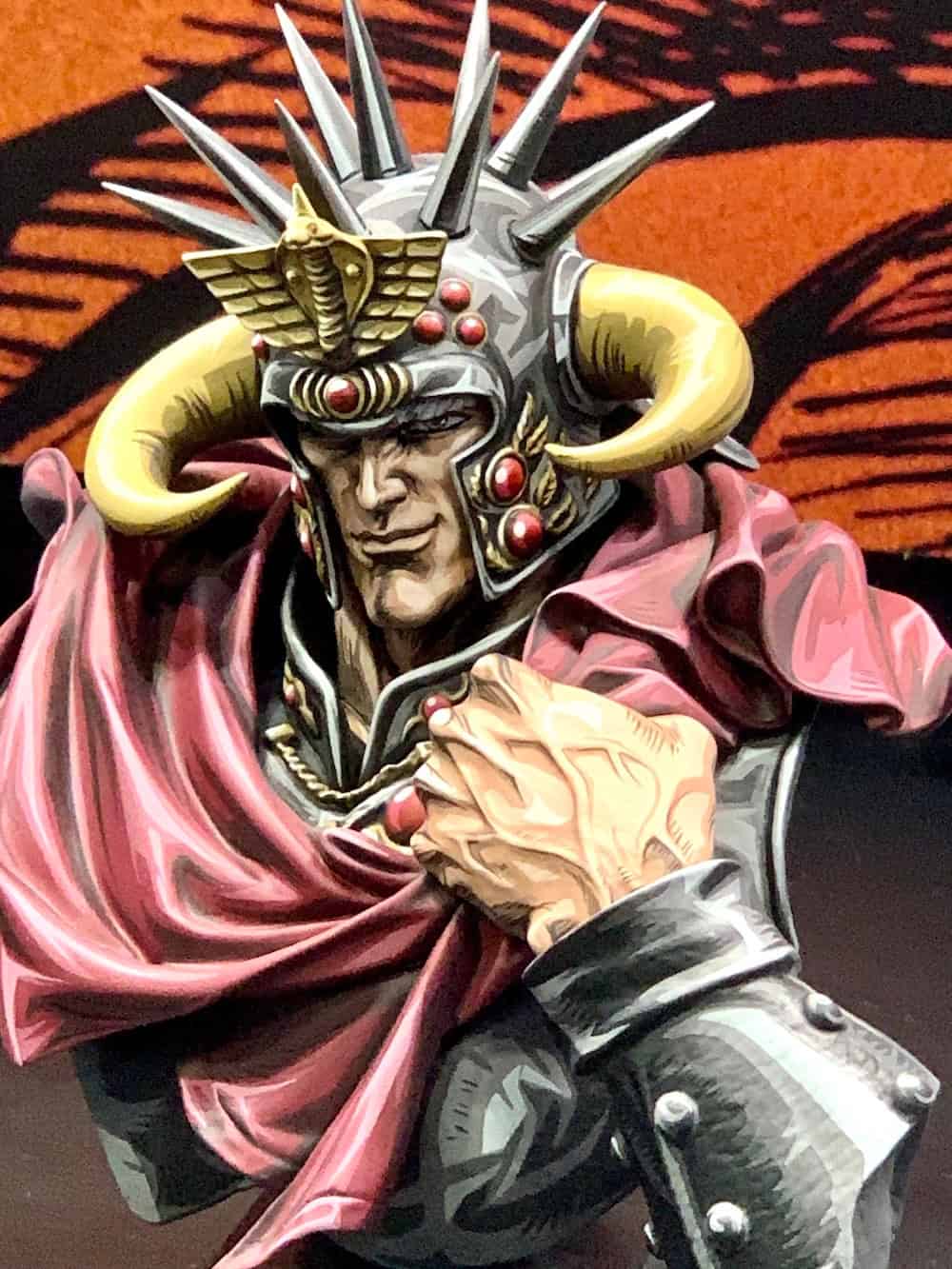
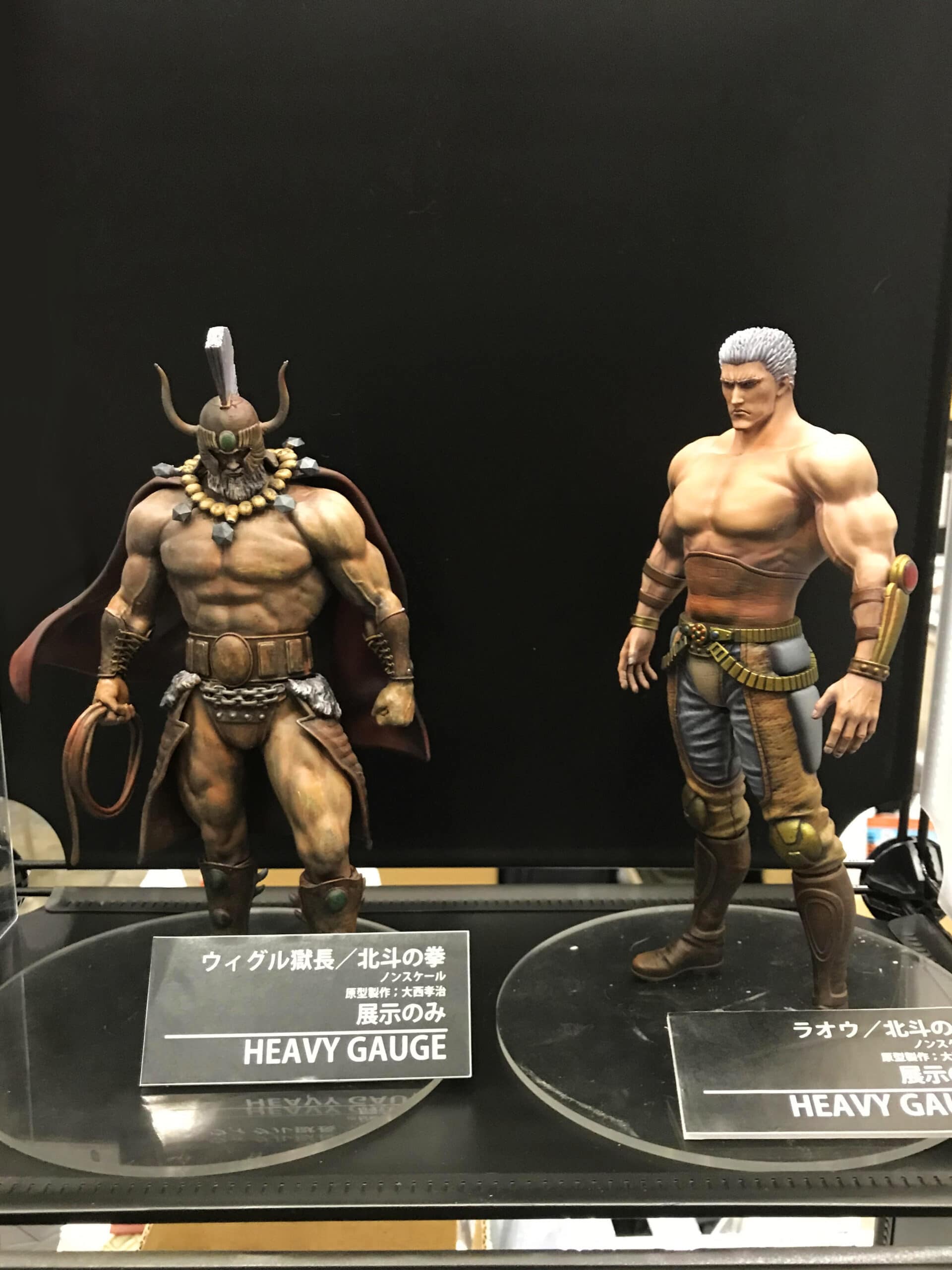
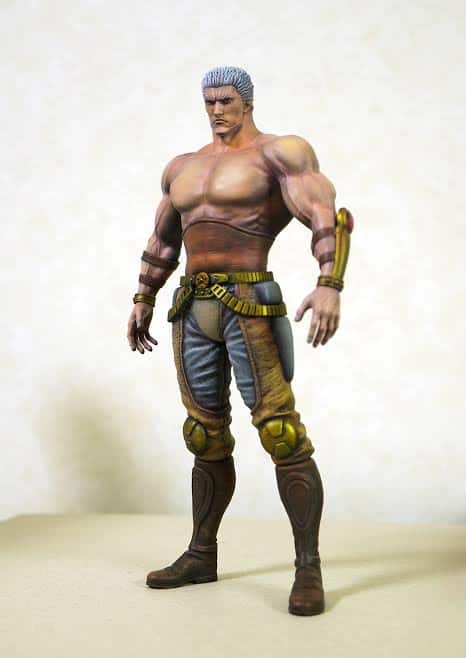
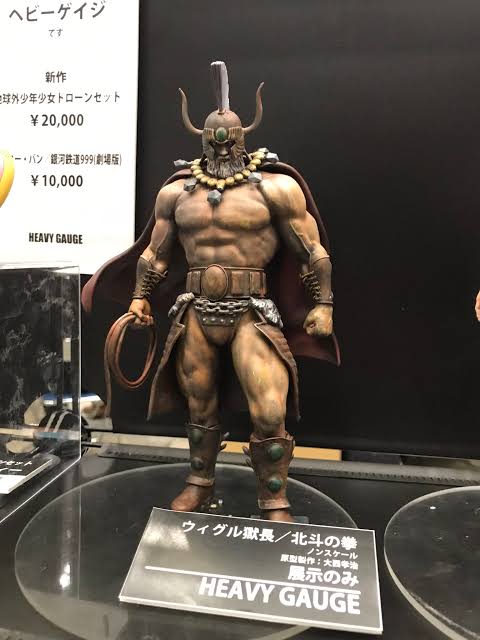
This event also reveals the bridges that exist between amateur creation and official production. Heavy Gauge, led by sculptor Onishi, notably presented Raoh and Uighur, the warden of Cassandra. This same Onishi has also produced official kits for Volks. A journey that perfectly illustrates the porous boundaries between the two worlds.
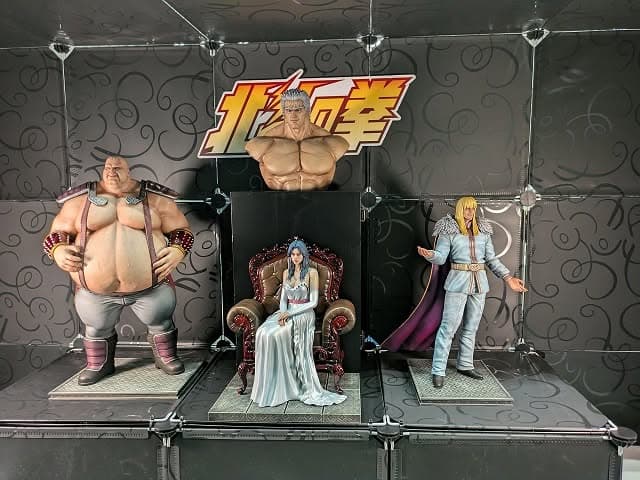
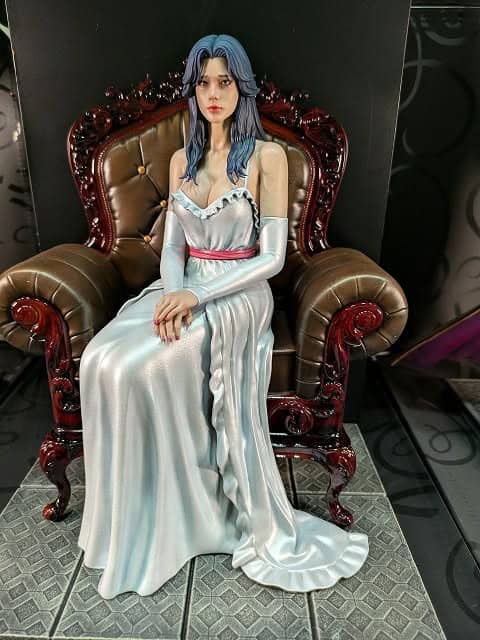
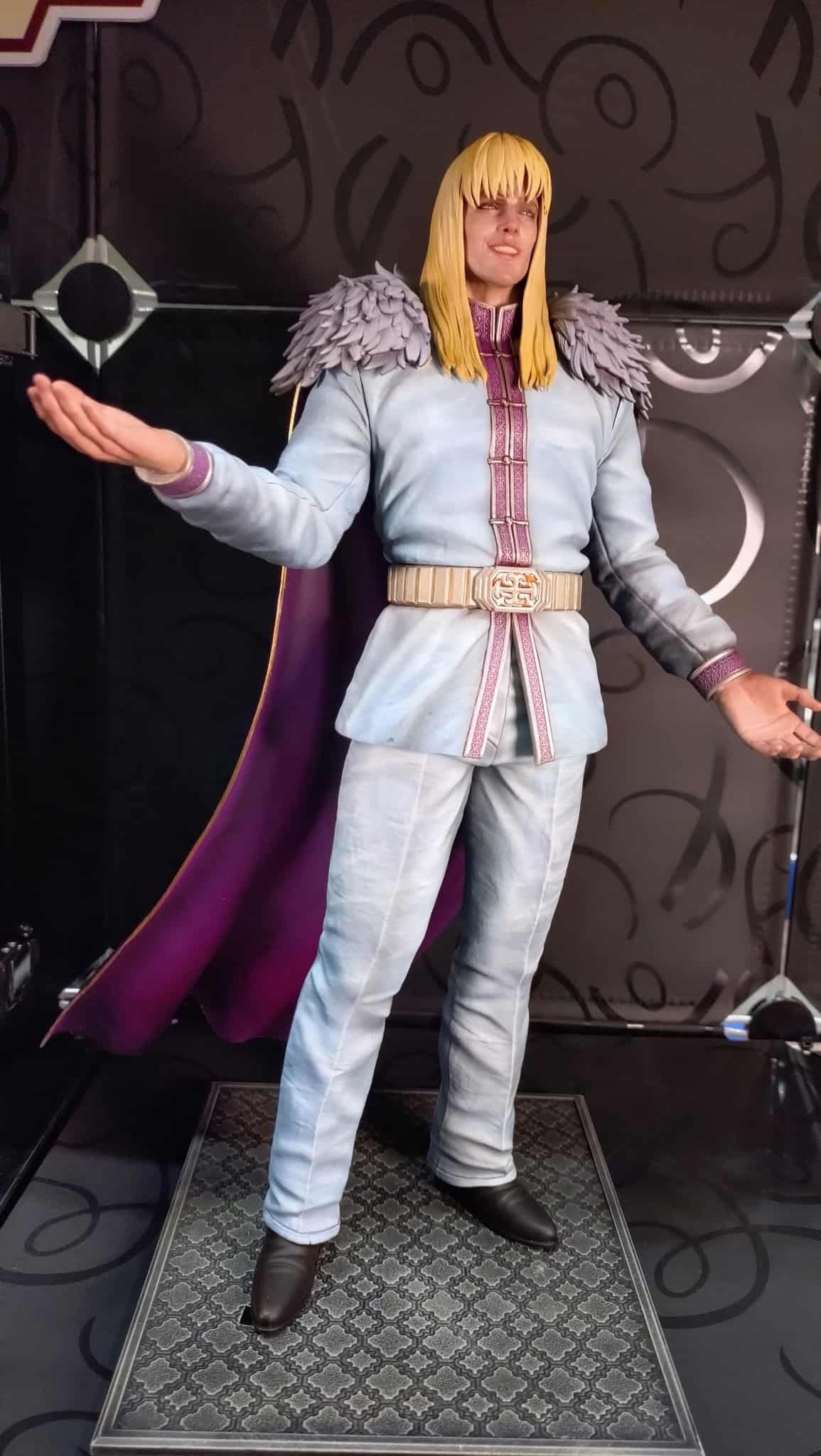
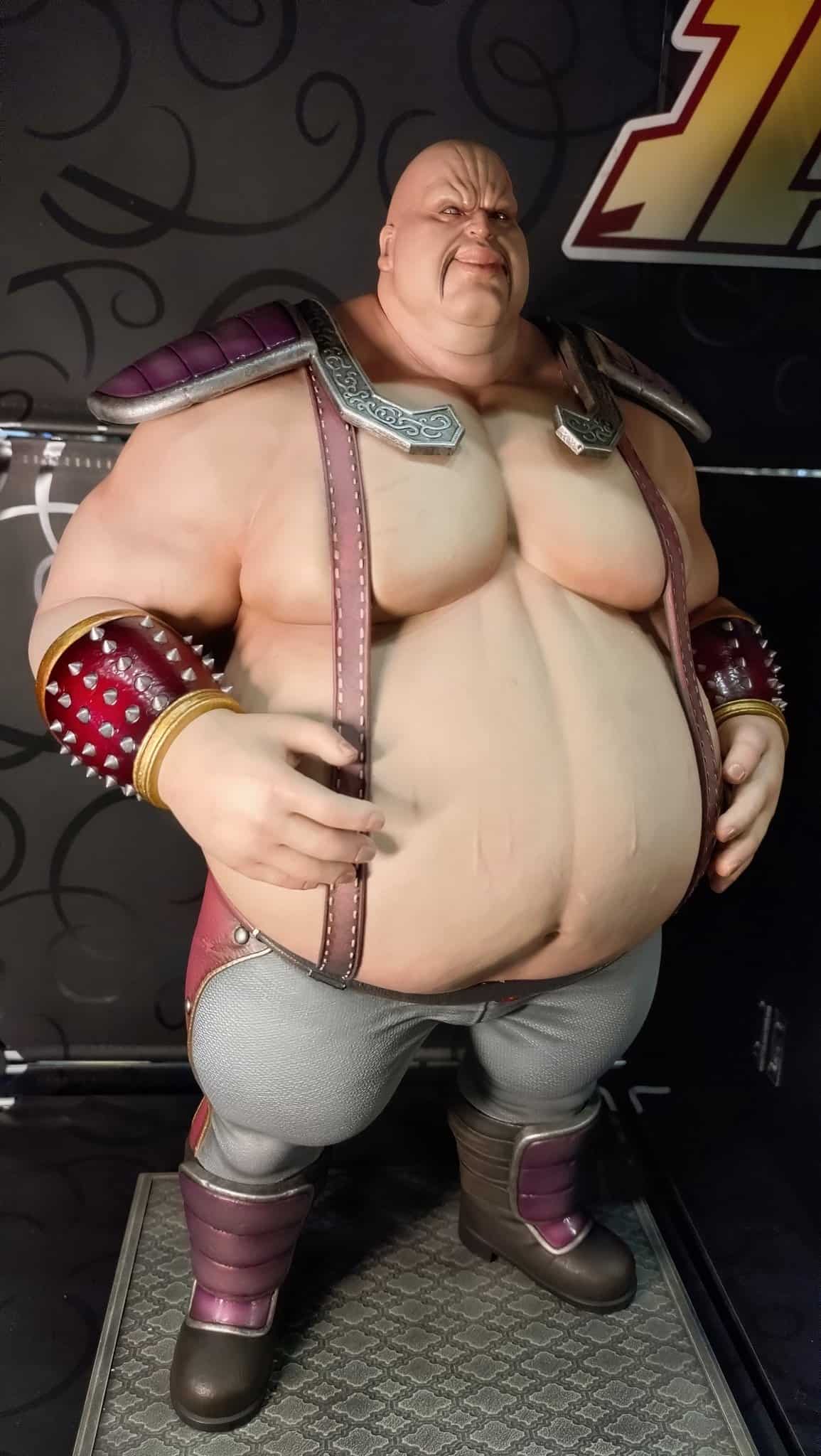
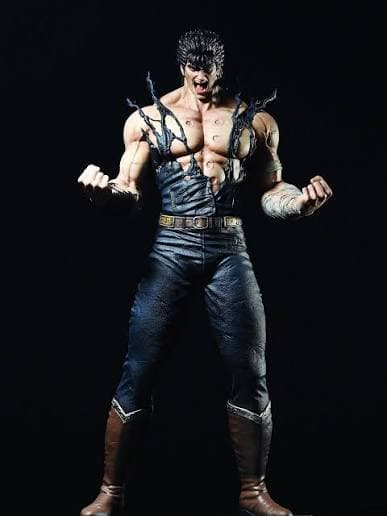
The phenomenon now extends well beyond Japan’s borders. At Wonder Festival Winter 2026, the Korean collective centered around Ed Pantera 3D occupied a booth entirely dedicated to Hokuto no Ken. Composed of three enthusiasts: a modeler, a painter, and a 3D printing specialist, the group presented an impressive gallery of characters sculpted in ZBrush, from Yuria to Shin, including Heart. A demonstration that the passion for the saga continues today to bring together artisans from across Asia. Beyond the Wonder Festival alone, Ed Pantera 3D pursues original creation work throughout the year, with pieces of a quality that rivals the best official productions.
A living heritage
Customs, original creations, and one-day licenses open different doors to the same world: that of an artisanal passion that has never faded. More than forty years after the manga’s first pages, creators continue to sculpt Kenshiro and his companions, in Oita, in Seoul, or elsewhere, far from industrial production lines but always as close as possible to the original work.
Sources
- Marco Li, original creation, official website: marcoarthk.com
- Ed Pantera 3D, Wonder Festival Winter 2026, portfolio: ed-pantera.artstation.com
- 40th anniversary exhibition, Wonder Festival Winter 2024: SPICE