


Details
- Name
- Garuda (ガルダ)
- First appearance
- Kinyoku no Garuda ch.1
- Appears in
- Kinyoku no Garuda - Nanto Goshasei Zenshi (manga 2013-2018)
- Status
- Protagonist
- Role
- Successor of Nanto Shinchō Ken, lone warrior seeking justice, confronts the Nanto Goshasei
- Martial art
- Nanto Shinchō Ken
Garuda
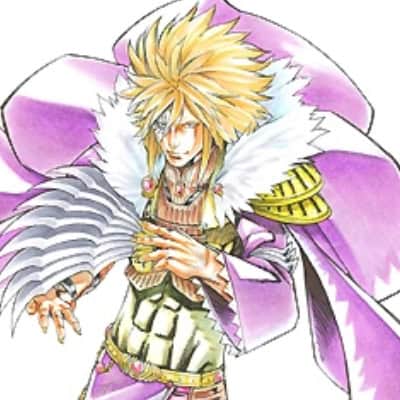
Garuda (ガルダ) is the protagonist of the manga Kinyoku no Garuda - Nanto Goshasei Zenshi (2013), drawn and written by Yoshiji Yamaguchi and published in Comic Zenon. An entirely original character, he is the only protagonist of a Hokuto no Ken gaiden who is not a preexisting character from the original manga. His full title, "The Golden Wing of Garuda - Prehistory of the Five Stars of Nanto," indicates that his gaiden takes place before the events of the manga and explores the origins of the Five Stars of Nanto (Nanto Goshasei).
Master of Nanto Shinchō Ken
Garuda practices Nanto Shinchō Ken (南斗神鳥拳, "Fist of the Sacred Bird of the South"), a martial art of the southern stars that places him within the tradition of Nanto Seiken. This choice positions Garuda as an ancestor or precursor of the Nanto masters who would appear in the original manga, linking his story to the grand mythology of the rival schools of Hokuto Shinken.
The gaiden Kinyoku no Garuda
The manga Kinyoku no Garuda further develops the world of the Nanto Goshasei through the original character of Garuda. The story takes place before the main events of Hokuto no Ken and depicts his confrontation against several members of the Nanto Goshasei, as well as his encounter with Rihaku, future leader of the five stars of Nanto and loyal protector of Yuria.
Unlike the previous gaiden centered on characters already established in the original series, this manga introduces an entirely new protagonist conceived specifically for the expanded universe of Hokuto no Ken. Garuda appears as an ambitious warrior seeking to establish himself in the world of Nanto Seiken and to challenge the protectors of the Last Star.