

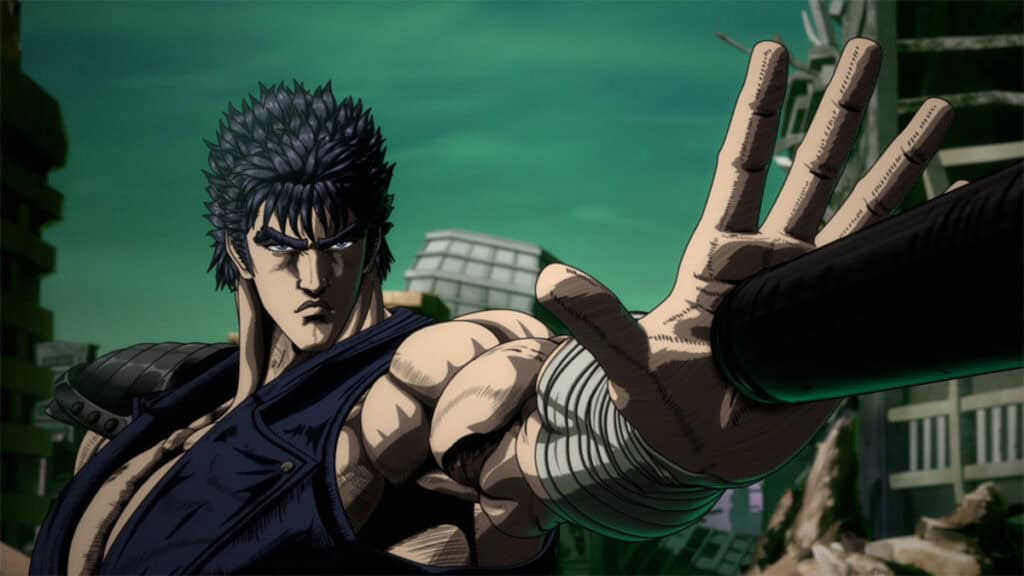
Since the launch of the Hokuto no Ken anime, we have chosen to stay in an informational tone: announcing, summarizing, documenting. After five episodes, it is finally time to say what we truly think about this new adaptation.
Once the nostalgia fades, the assessment is bitter
Let’s be honest with ourselves first: part of the disappointment many feel about this anime comes from the nostalgia and love we have for the original series. The voice of Kamiya Akira, the opening theme by Crystal King, the intensity of the fights, etc. All of that is part of a formative experience for an entire generation of fans, and no modernized anime can compete with that. It’s a battle lost before it even begins. Once we acknowledge this, we need to look at what this series actually is, not what we wished it would be.
The picture is mixed. Yes, it’s a disappointment. No, not everything should be discarded. Far from it.
What doesn’t work
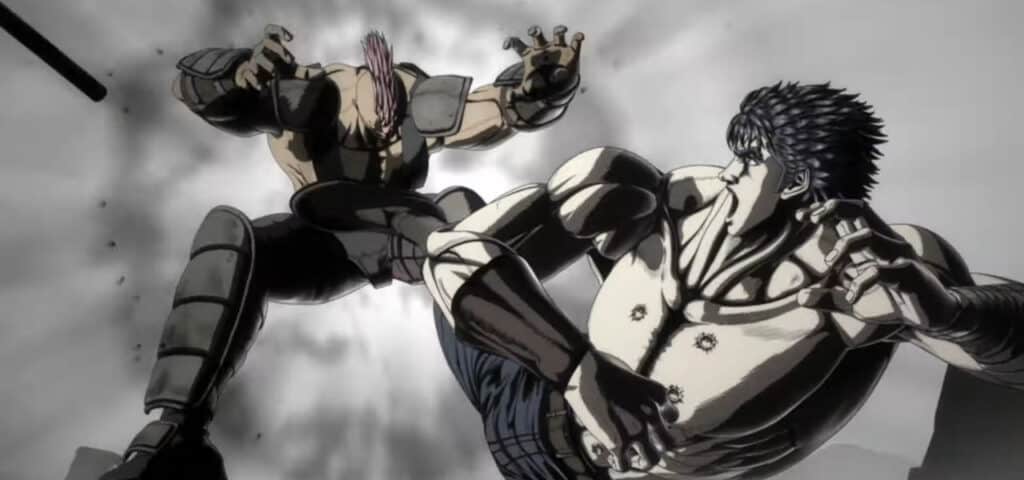
The CGI is completely indefensible. Some shots are clean and some fights start with a surprising fluidity, and then suddenly a botched transition or an entire scene sabotaged by the CGI. This aesthetic inconsistency between shots within the same episode, sometimes within the same scene, is perhaps the hardest flaw to accept. We could have tolerated consistent CGI, even if it had been imperfect.
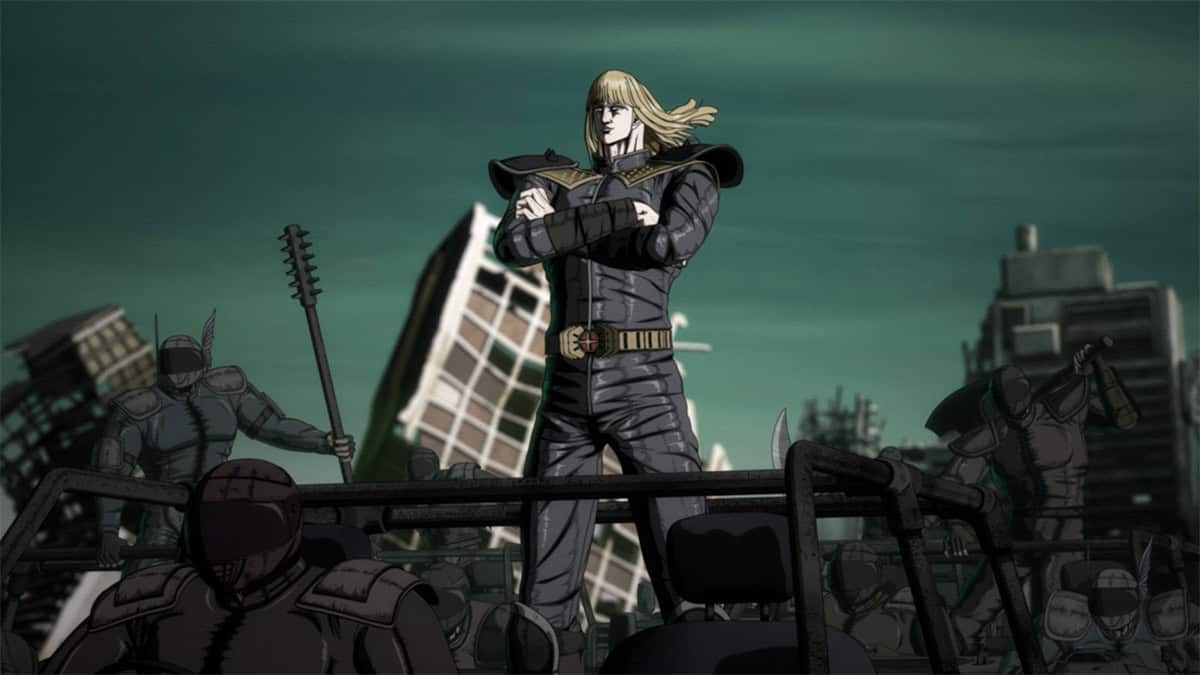
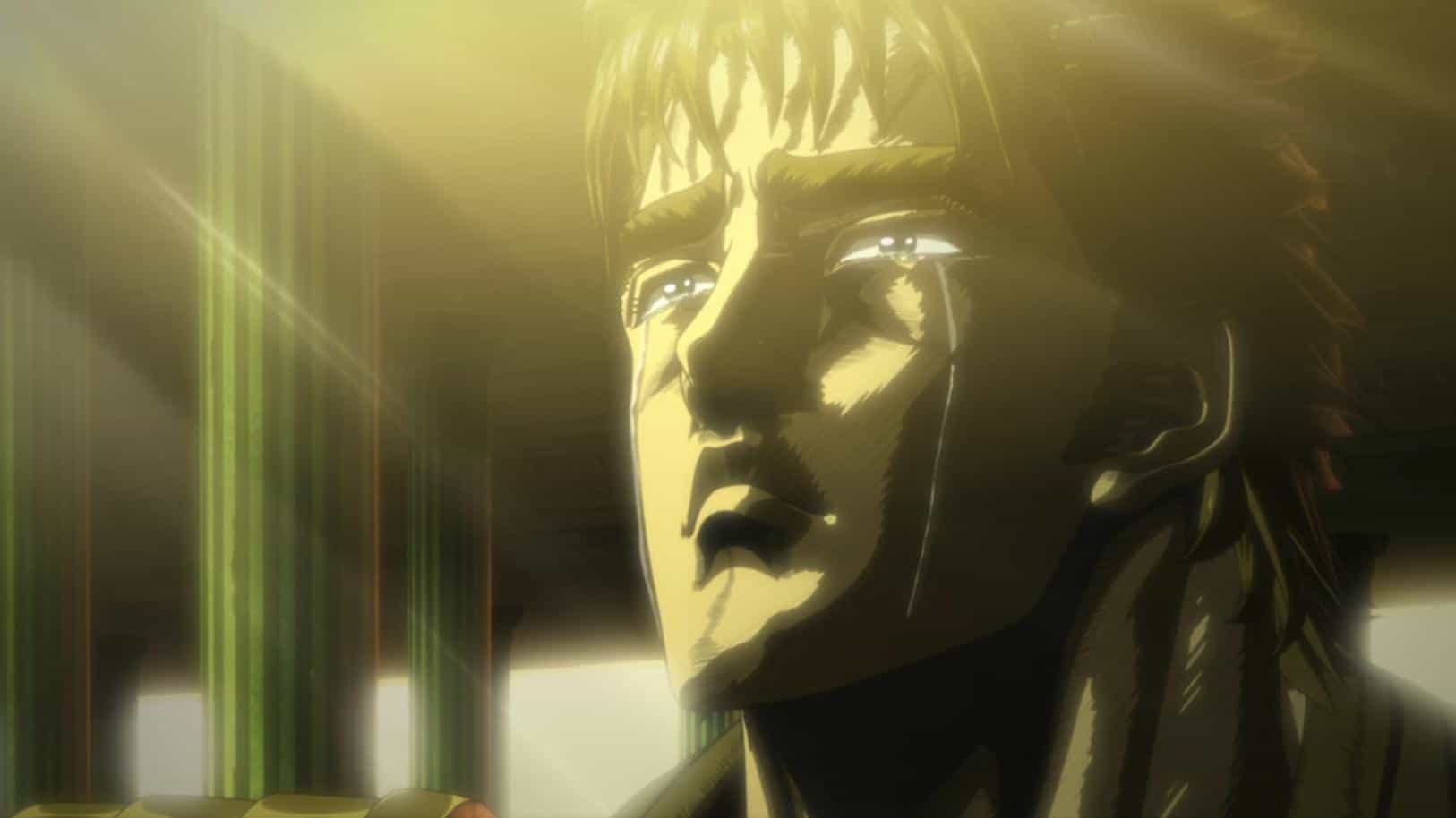
Facial animations are a recurring problem. During fights, you can sometimes forget the technical limitations as the pacing takes over. But as soon as a character speaks or expresses an emotion, the mask falls off: the faces are stiff and the eyes convey nothing. In a series where character psychology is one of the strong points, this shortcoming weighs heavily.
What makes all of this even more frustrating is that quality CGI does exist in Japanese animation. Beastars, Knights of Sidonia, Dorohedoro: these series prove that the format can produce visually convincing, immersive, and sometimes even sublime results. So this is not an inherent limitation of the CGI format; it’s a matter of budget, time, and studio. The 2026 anime did not receive the resources the project deserved, and it shows.
The transition between 2D sequences and CGI is often jarring. The two aesthetics follow one another without any blending, creating breaks that shatter immersion right when you were starting to get into it. And when the fights do work, when the pacing picks up and Kenshiro chains techniques with the energy we hoped for, these problems end up ruining the entire scene.
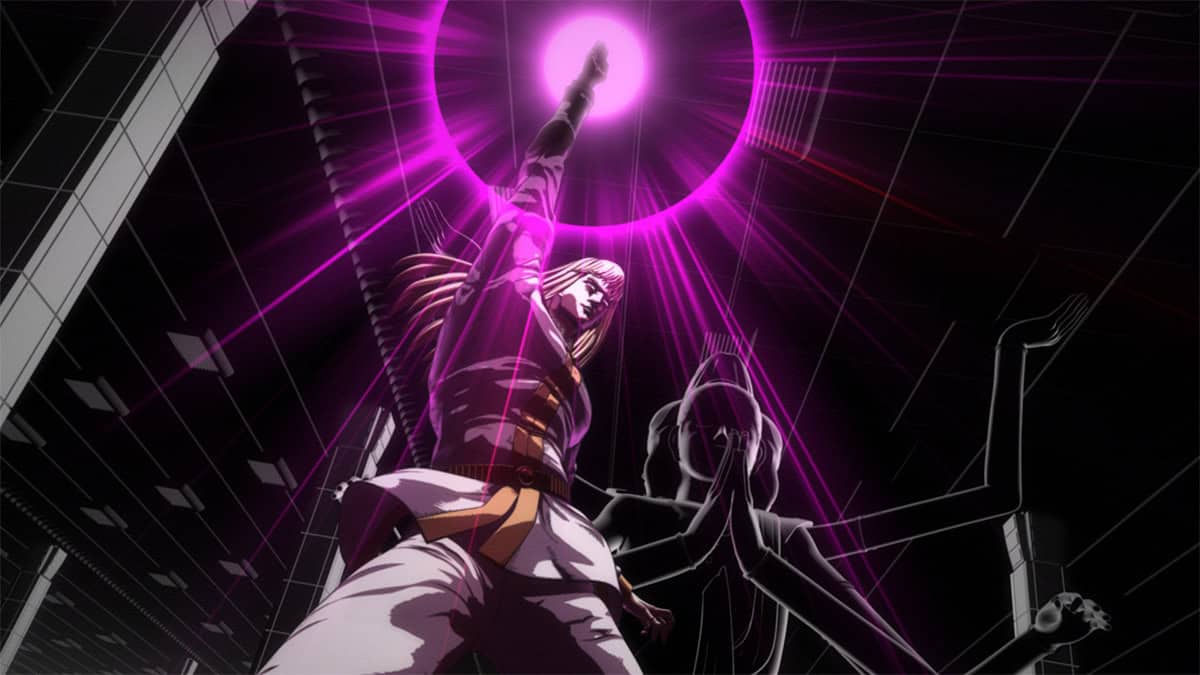
Episode 5 and the final fight against Shin highlight another problem in our opinion: the writers introduced a technique visually borrowed from Arc System Works’ fighting game. The original work is rich enough that there’s no need to borrow ideas from another medium. Especially since faithfulness to the original work is the main selling point of the series.
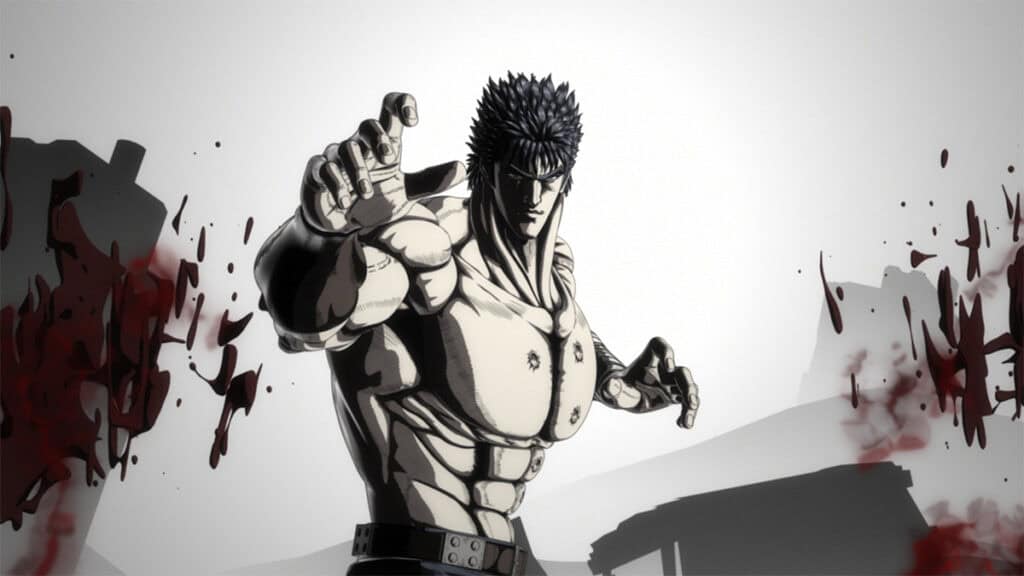
Another point worth raising is the recurring choice of a white background during fight sequences. The intention is understandable: erase the scenery to focus all attention on the action and the fighters’ movements. It’s a technique used in the manga, where the emptiness of the white page serves the intensity of the moment. But on screen, the effect is the opposite. Where the manga can afford this emptiness because Hara’s artwork alone is enough to fill the space, animation needs the background to create depth, movement, and immersion. Without an environment, the fights take place in an abstract space that breaks the dynamic rather than amplifying it.

What works
Faithfulness to the story. For us, this is the most important point, and it’s beyond debate: the 2026 anime respects the scenario of the source material. The Shin arc is treated seriously, the character psychology is there, and the stakes are properly established. For us, this is a fundamental criterion, and it is met.
The Japanese voice acting is excellent. Takeuchi Shunsuke as Kenshiro, Kusunoki Taiten as Raoh, Yusa Koji as Shin: the cast is up to the challenge. The voices save scenes that the animation would have otherwise buried. Watch the anime with Japanese audio and subtitles, and you’ll find much of the intensity that is missing in the dubbed versions.
Yuki Hayashi’s music accompanies without overpowering, which is exactly the right approach for a franchise with such an emotionally charged original soundtrack.
Some fight sequences are genuinely dynamic and show what the series could be if it were visually consistent from start to finish. The blood is there, the violence too; the absence of censorship reflects a respect for the tone of the original work that can only be commended.
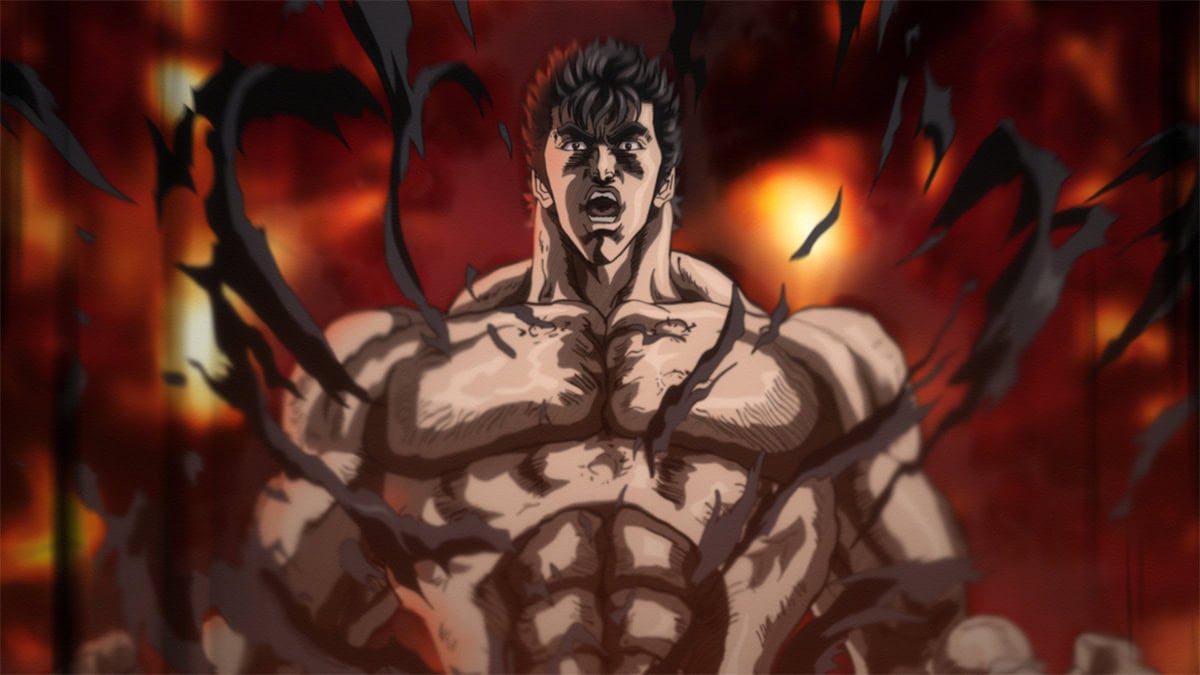
Has Hokuto no Ken ever had good anime adaptations?
Our answer is no, with one exception.
The 1984 anime, the nostalgic reference for all of us, was a Toei production with the constraints of its era: visual inconsistencies between episodes, variable animation quality, fillers that dilute the manga’s pacing, censorship (blue blood, toned-down violence), but we love it despite its flaws. Masami Suda, who passed away in 2021, is the true visual father of that series. It was on the 1986 film that he was able to bring the character design and visual quality to their highest level, with the time and budget that a weekly series did not allow. That film remains for us the only animated adaptation that truly did justice to Tetsuo Hara’s art style, and that is precisely why we did not include it in the comparison.

Shin Hokuto no Ken (2003) is a special case, based on the novel Jubaku no Machi by Buronson and Hara rather than the original manga. Its 2D technique is decent, as is its animation; that’s about all that can be said. Kenshiro is lethargic in it, the original scenario offers little real narrative interest, and people mostly remember it for the gore and violence, which is far from enough to save the whole thing.
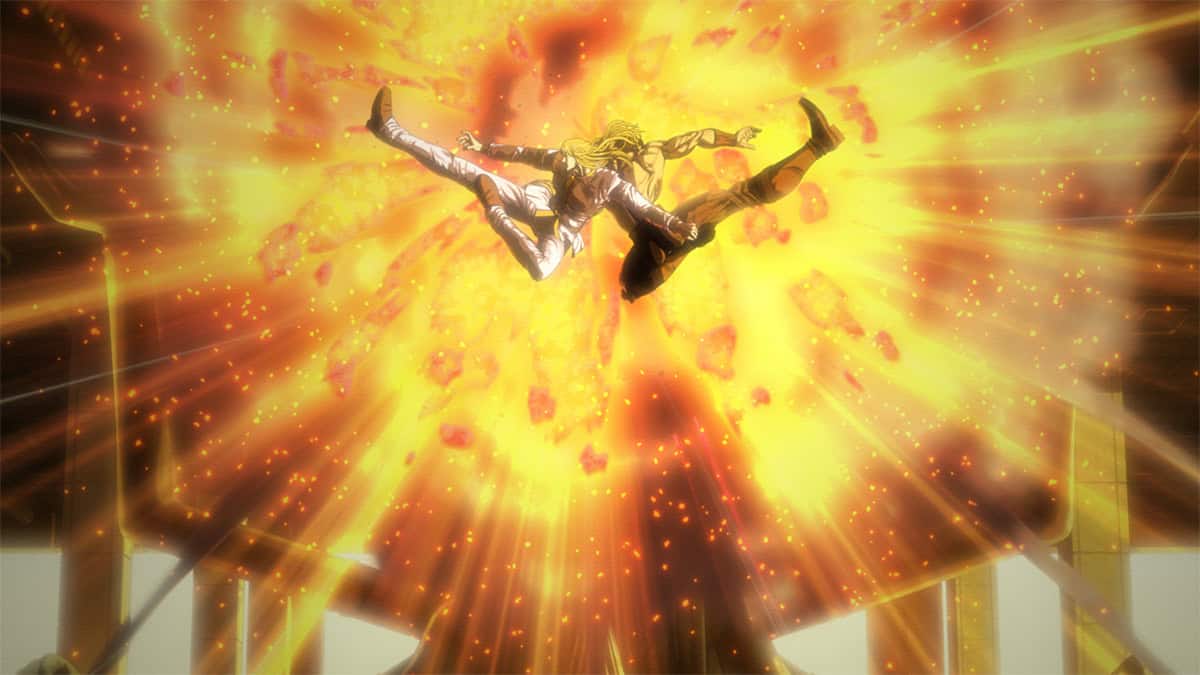
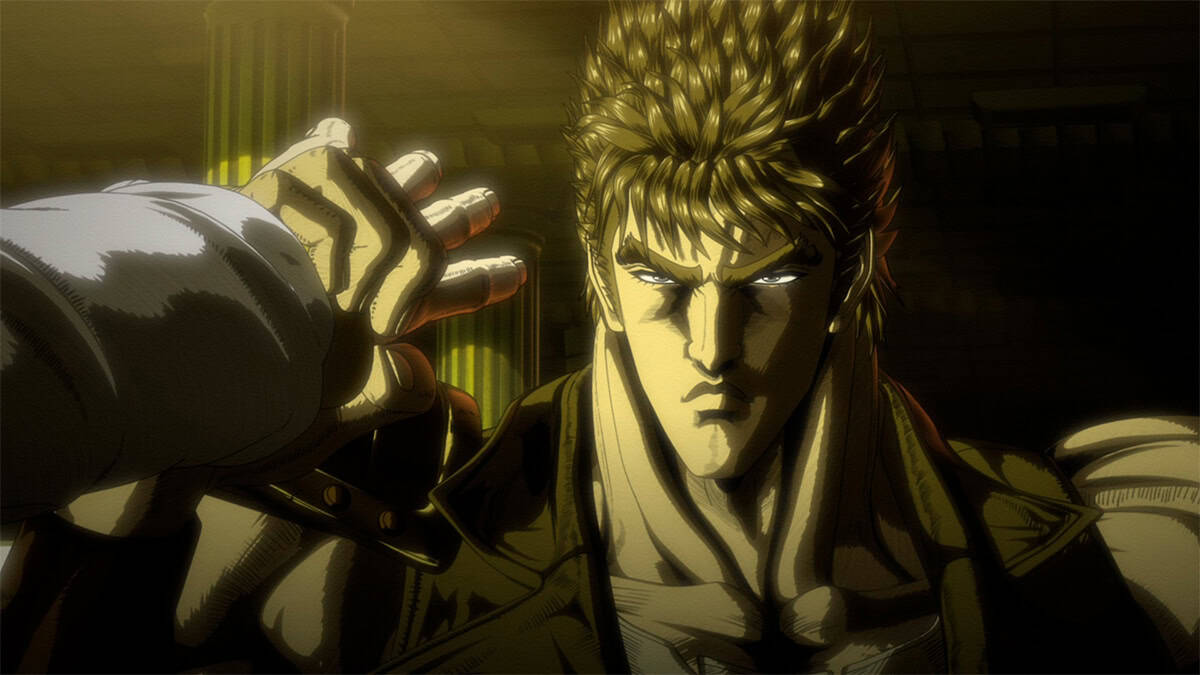
The Shin Kyūseishu Densetsu films (2006-2008)? Inconsistent artistic direction from one film to the next, often sloppy animation and character design, useless filler characters introduced to pad out hollow scripts. Remember how they sidelined iconic characters like Rei to give screen time to flat characters, the crown going to Tobi the dog in the Yuria Den. Remember the final fight against Raoh in the second installment dedicated to him. It’s one of the dramatic high points of the manga; they simply butchered it.
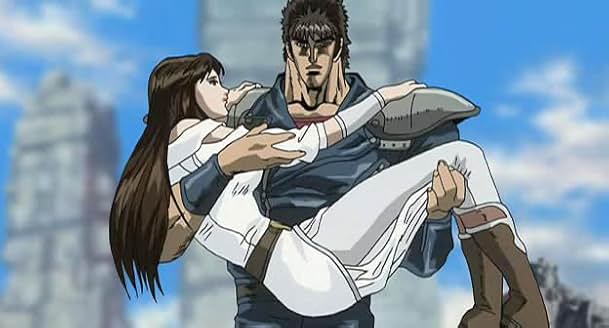
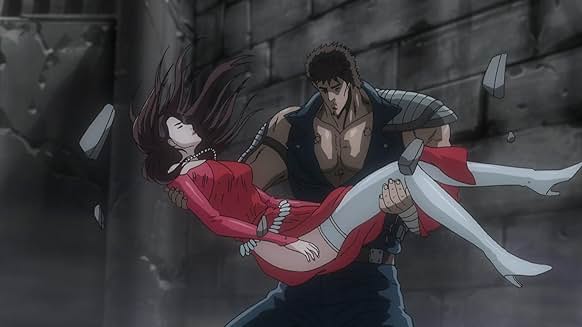
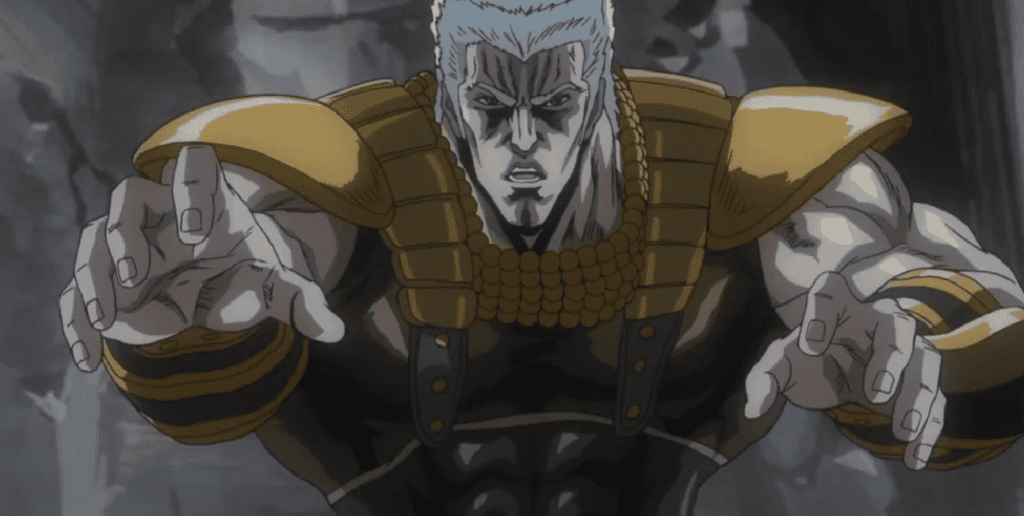
Souten no Ken, let’s not even talk about it. Hara’s manga is visually his most accomplished work: the 1930s settings in China, the costumes, the historical accuracy, the art style at its peak. The 2006 anime adaptation butchered it. Regenesis in CGI (2018) didn’t even reach the level of what we’re criticizing today in the 2026 anime.
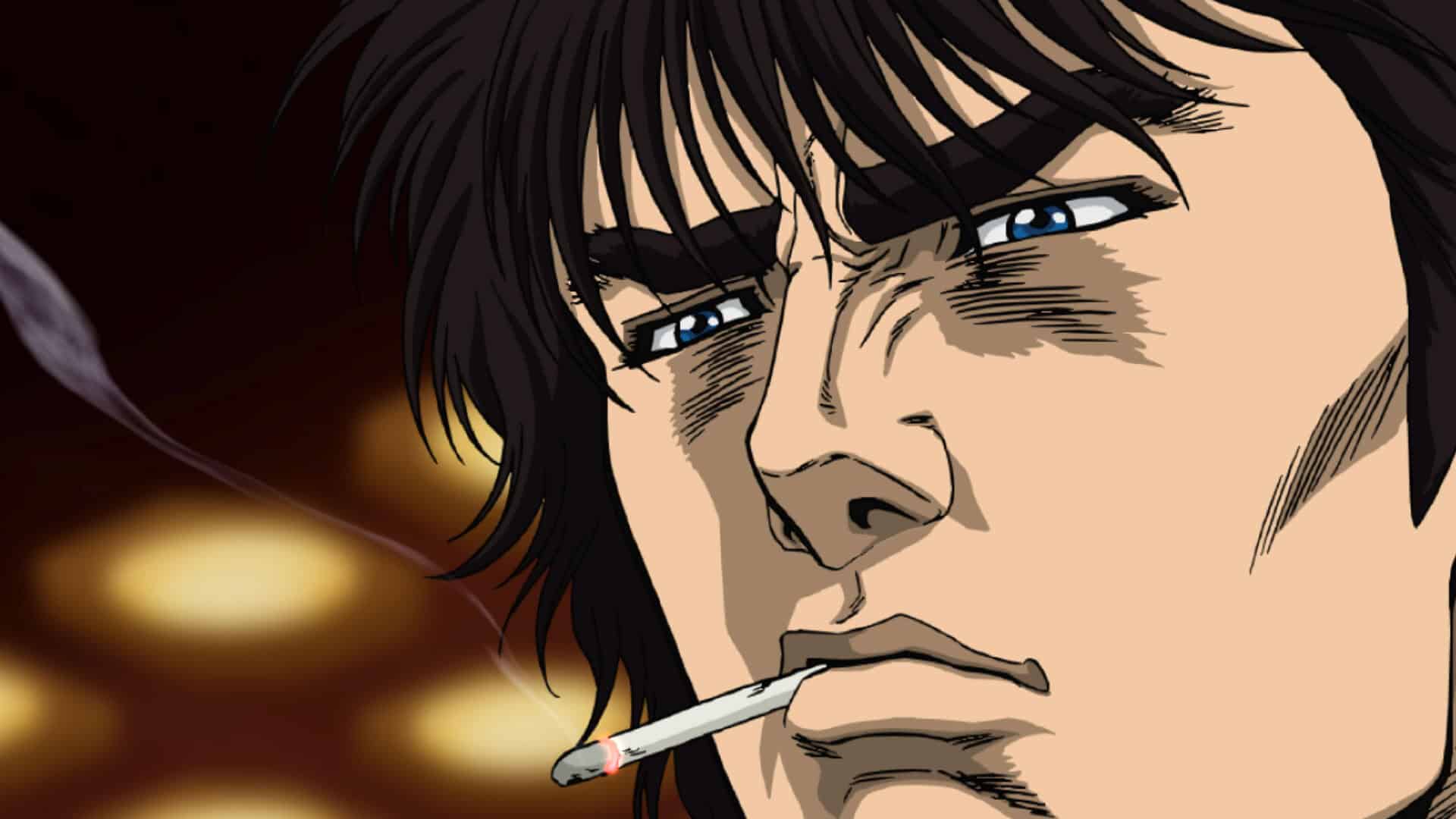
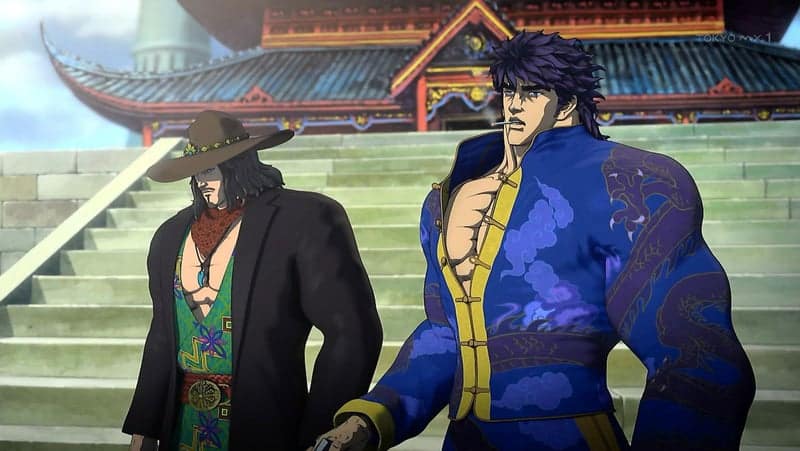
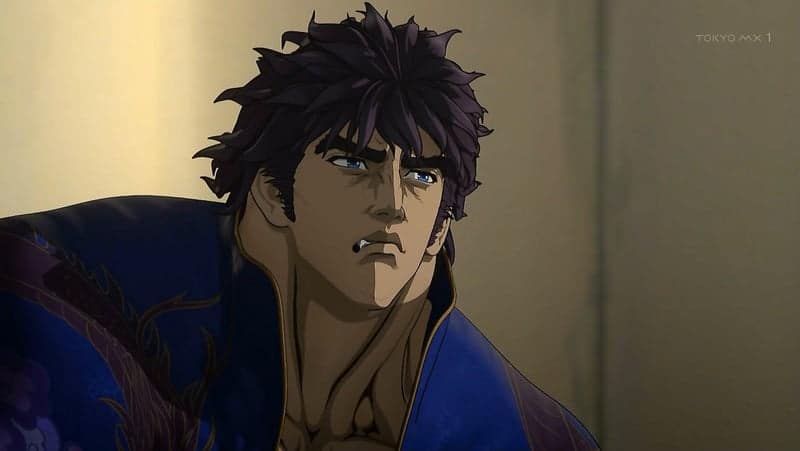
The ultimate irony in all of this? The best technically executed anime adaptation of the past twenty years in the HNK universe is found neither in a TV series nor in a film, but in the Sammy pachinko animations. Short sequences with faithful character design, fluid animation, and polished artistic direction, produced not to tell a story but to run slot machines. Money, when it has you in its grip!
What we expect from what comes next
Tetsuo Hara’s work has rarely been done justice in animation. This is a clear-eyed observation, not an argument to defend the 2026 anime at all costs. But it is essential context for judging this new adaptation at its true value rather than comparing it to what has already been done.
The 2026 anime has the right narrative intentions. It has the right cast. It has the right respect for the source material. What it lacks is the visual consistency and technical mastery that would allow it to live up to its stated ambition. Tetsuo Hara himself asked for patience. We grant him that, with the arcs that are coming, the 2026 anime will have other opportunities to convince us. Or to confirm what we fear.
See you tomorrow for the debriefing of episode 6, available tomorrow on prime video