


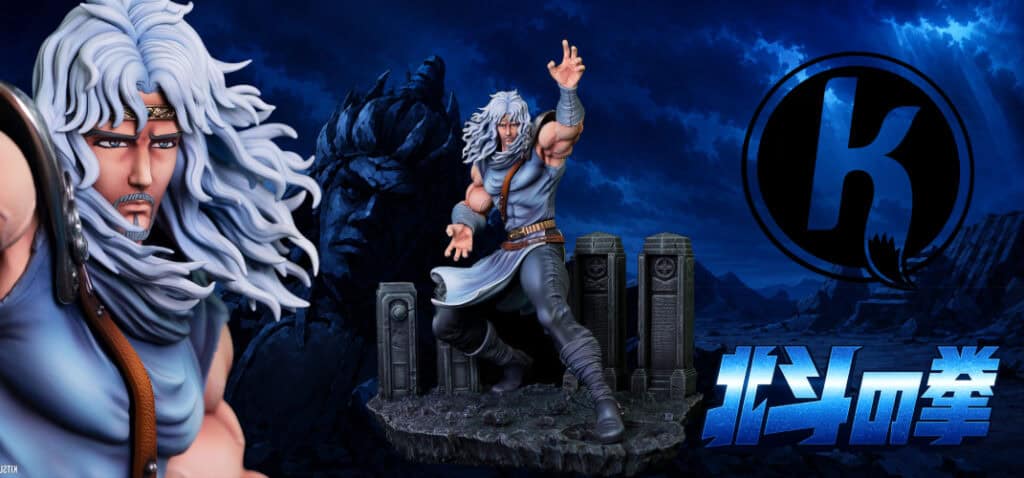
As we do every Friday, we take another look at Hokuto no Ken figures. This week, a 1/6 scale statue of Toki, limited to three hundred copies, with Tetsuo Hara credited for art direction. It was produced by a French studio: Kitsune Statue.
A studio founded in 2017

Kitsune Statue is a French company founded in November 2017. The studio presents itself as a team of collectors and artists producing officially licensed, numbered, limited-run statues. It told its own story in more detail in a video interview given in October 2020 to the Sephiyo channel, the third instalment of a series devoted to French resin manufacturers.
At that time, only four people were attached to Kitsune, and all of them had other jobs. The sculptors and painters are not employees; they are outside contributors, even those who work on many projects. Mikaël, who was then handling production and communication, explains in this interview that he was not there from the very beginning. He knew the founders and joined them later, around the time their Sun-Ken Rock statue was launched.
Securing a licence when you are starting out
The most instructive part of this interview deals with rights holders. You never contact them directly, the studio explains; everything goes through intermediaries. The first licences are the hardest to obtain, precisely because a studio that is just starting out has no track record to show for itself. You therefore have to convince without showing anything, through daily emails. And once the licence is signed, every approval follows the same path: an answer sometimes comes back the same day, sometimes three weeks later.
Toki, the saint of Hokuto Shinken
The piece is called Tokei Koho, named after Toki’s technique. It was announced in March 2021 for the first quarter of 2022, at 1/6 scale, priced at €415.83 excluding VAT. The run is limited to 300 numbered copies worldwide. All the specifications are gathered in our entry for the statue.
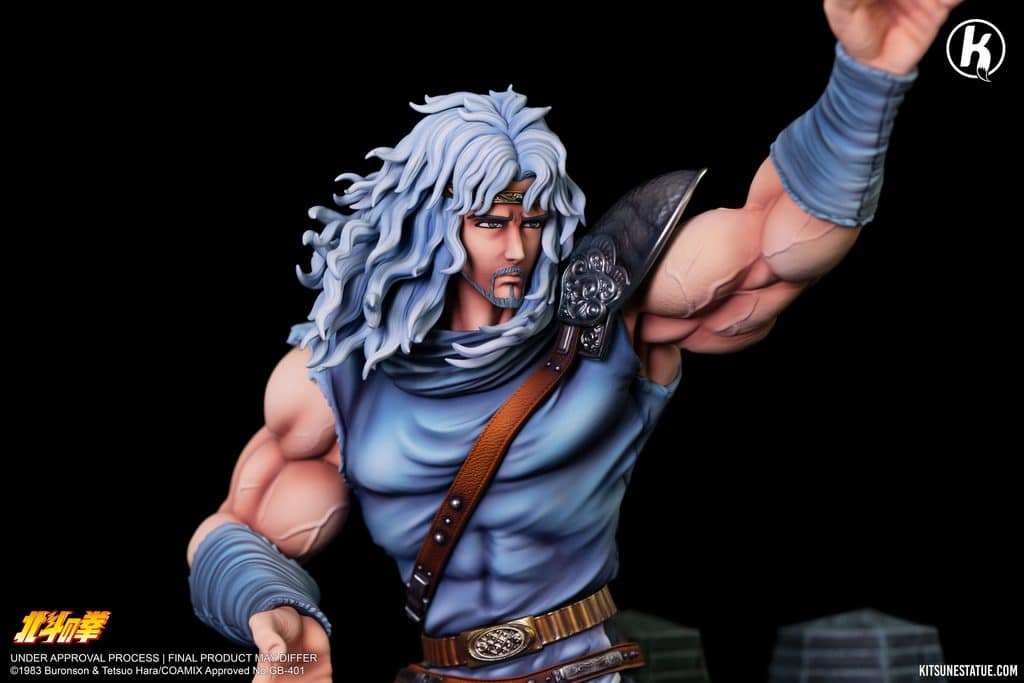
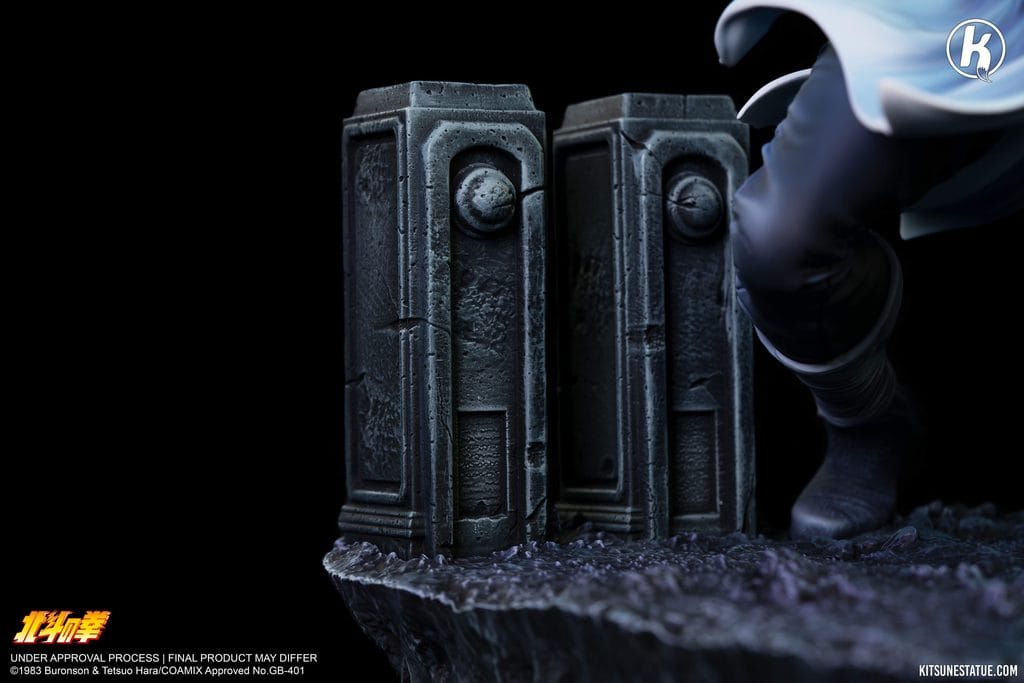
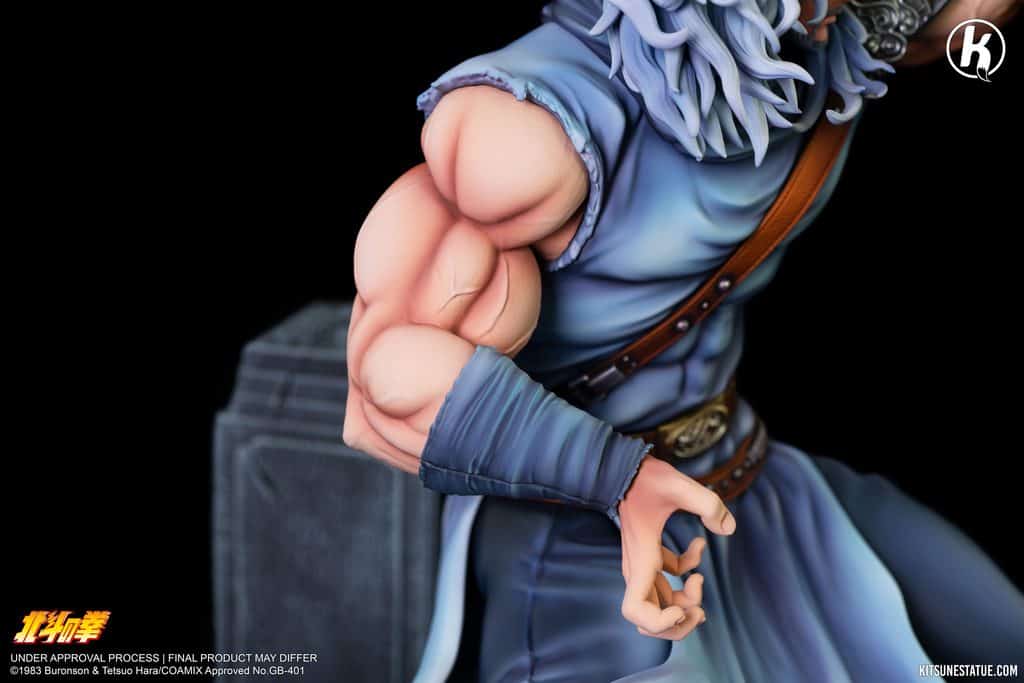
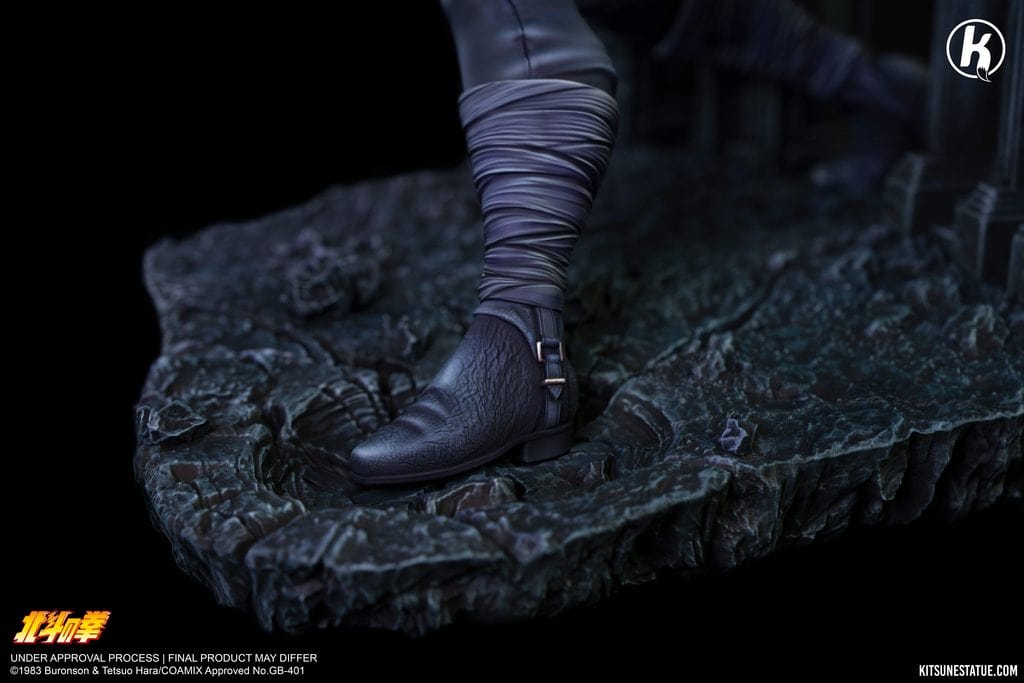
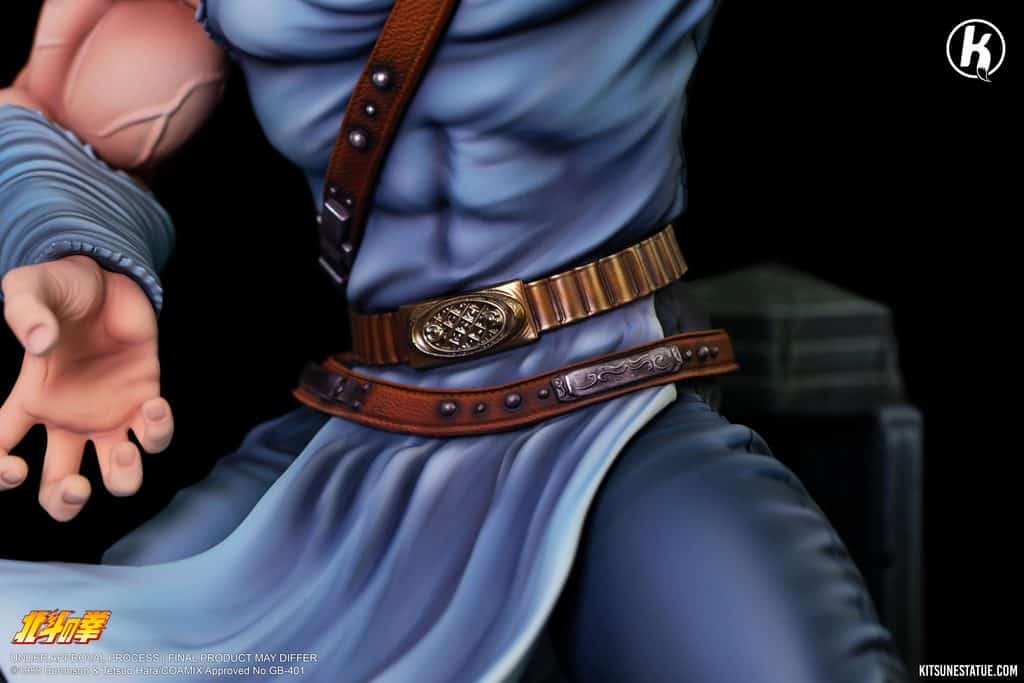
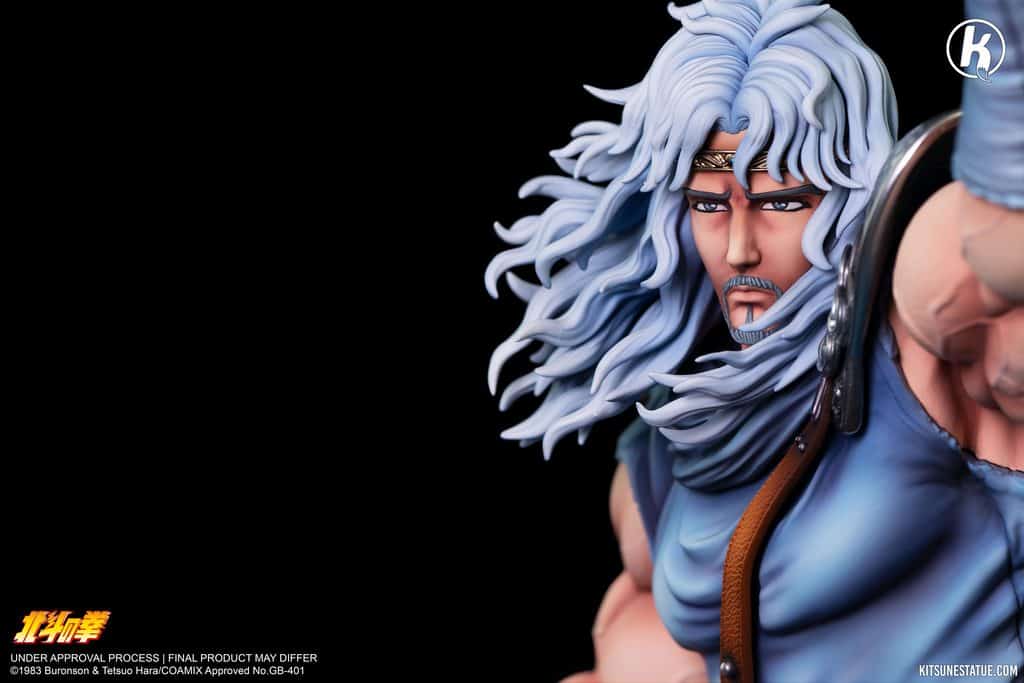
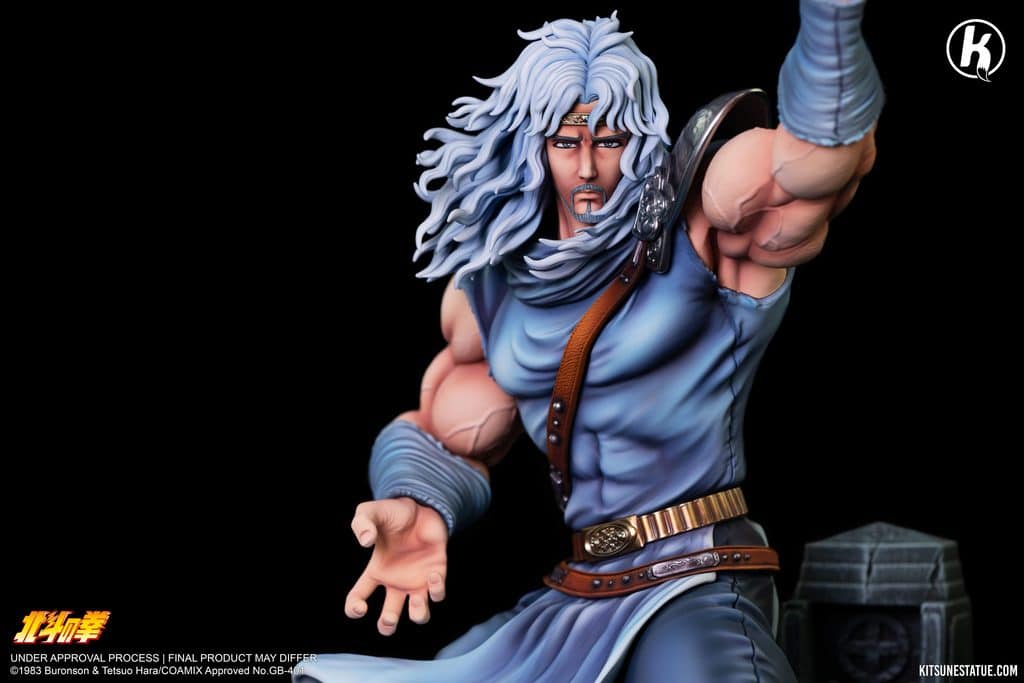
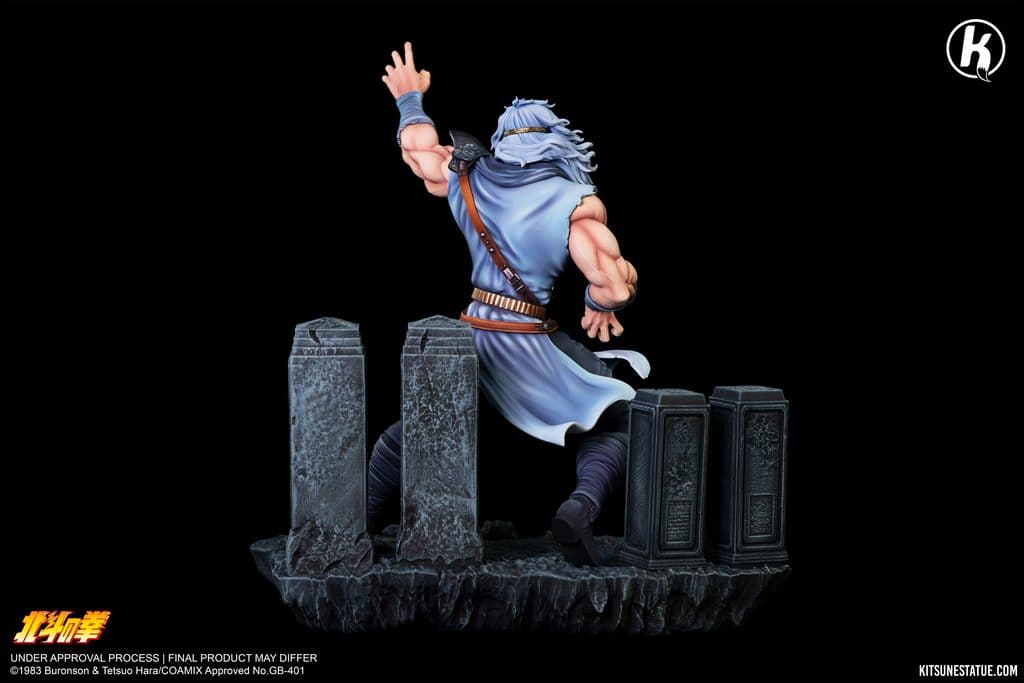
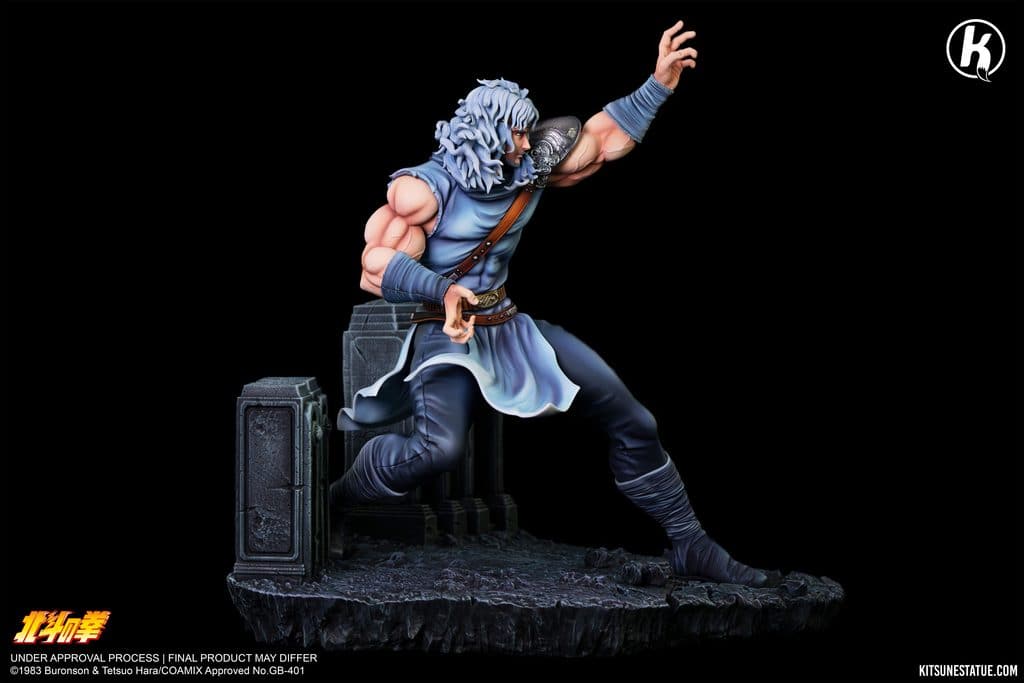
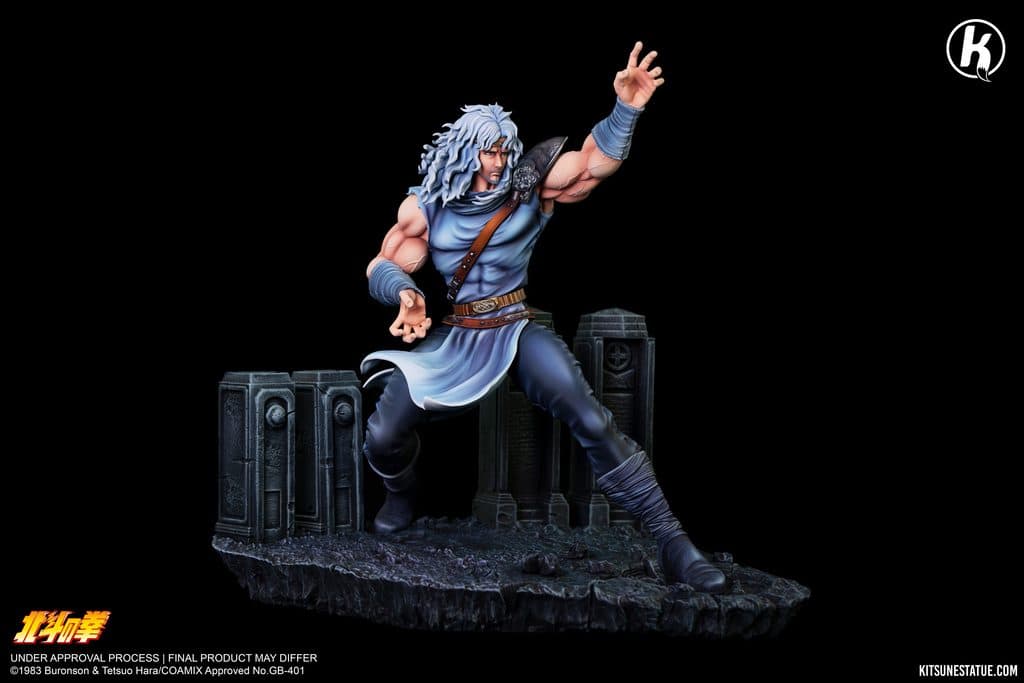
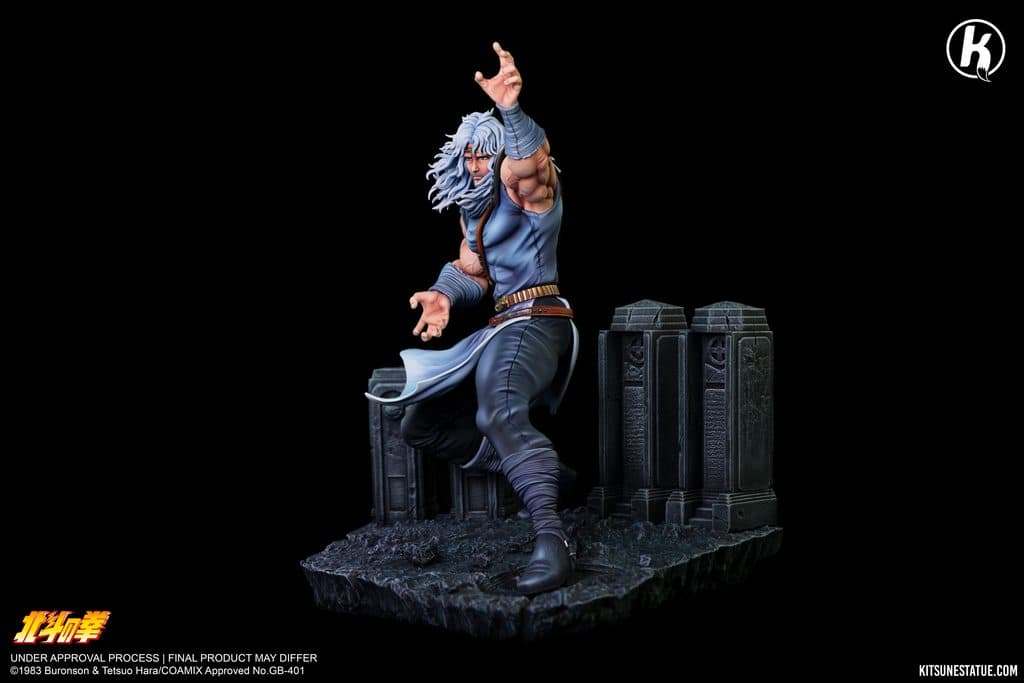
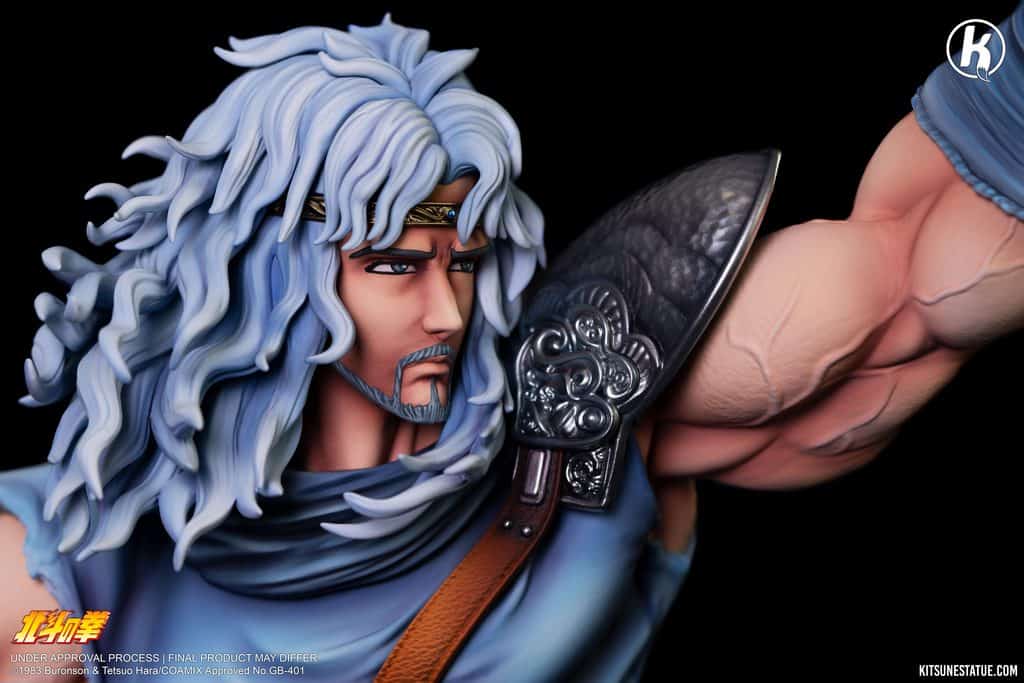
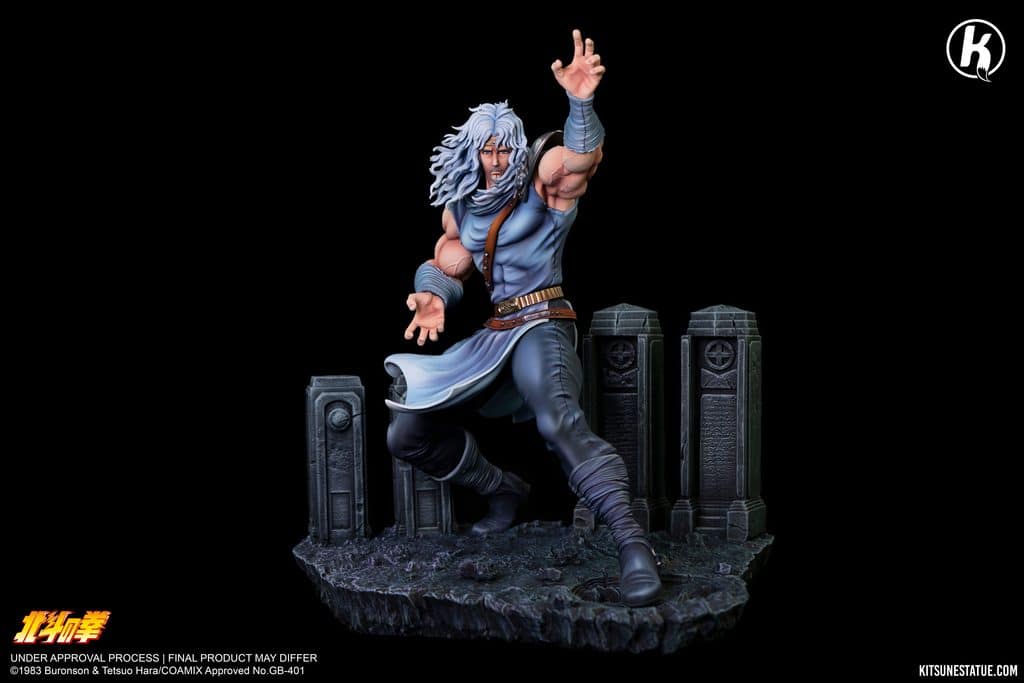
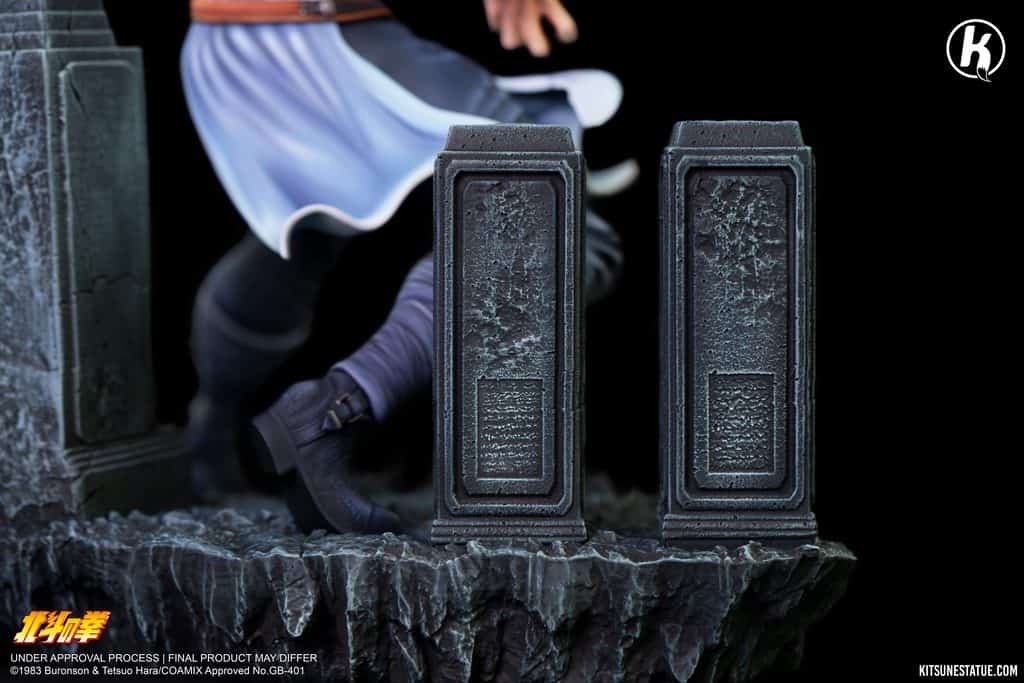
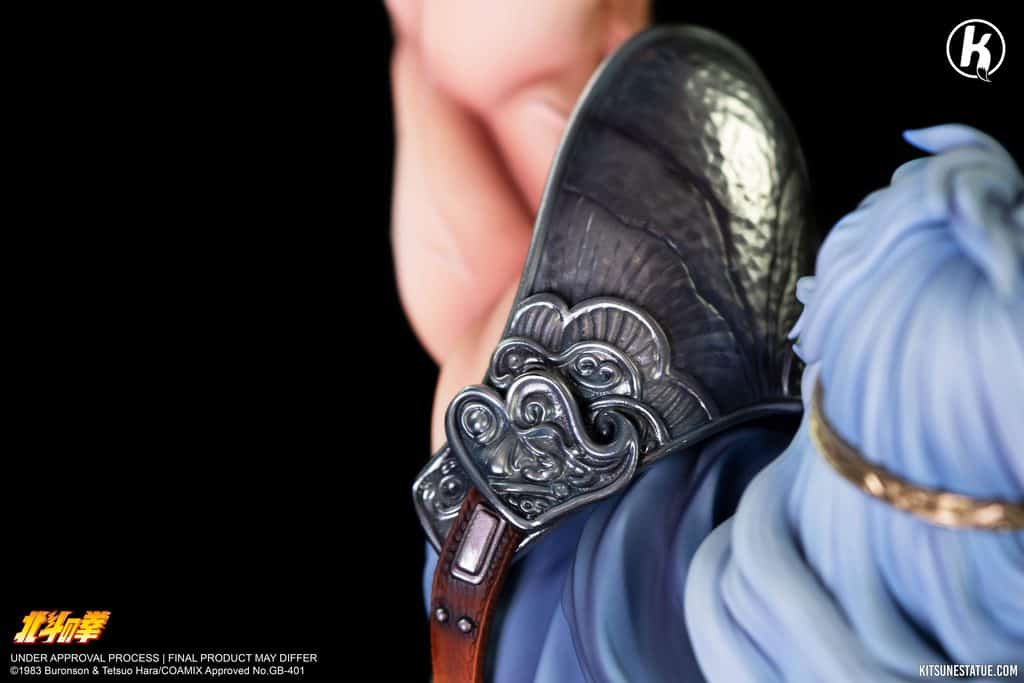
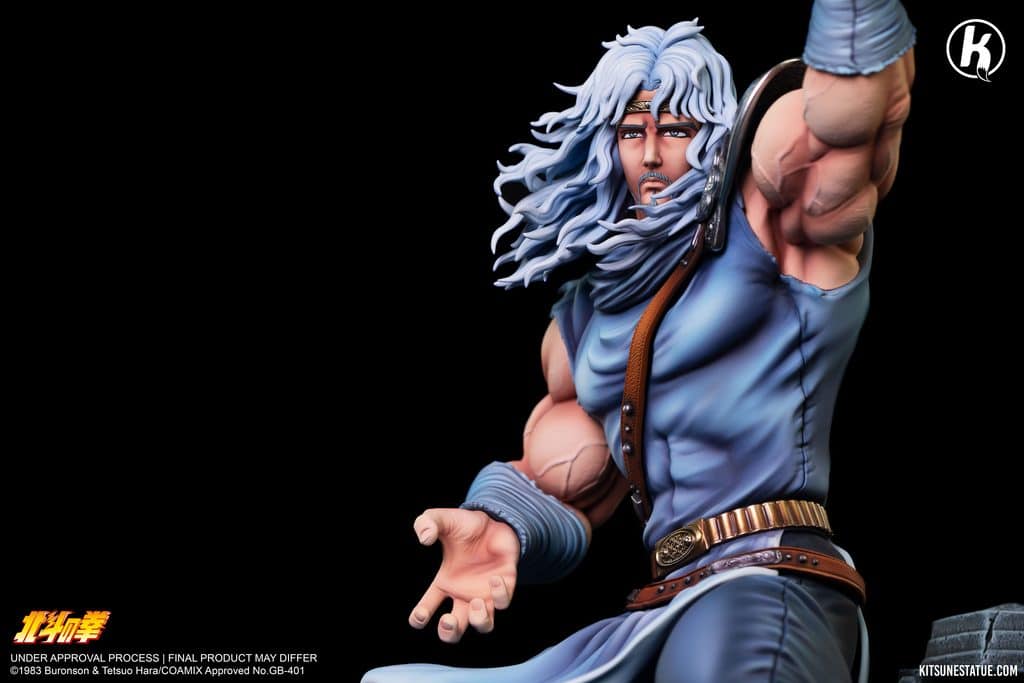
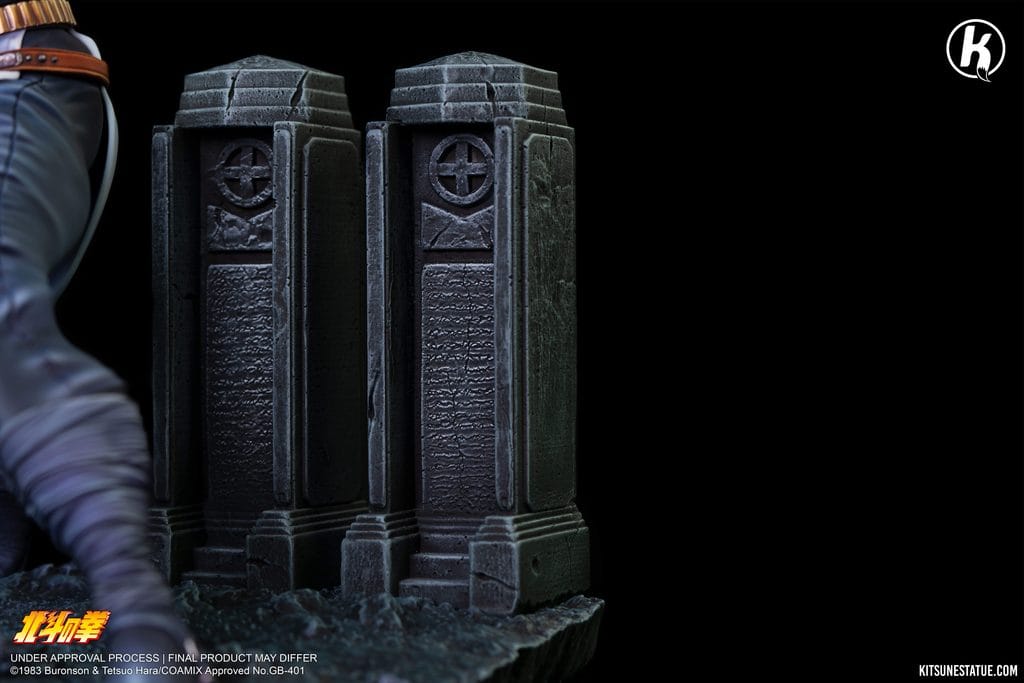
Choosing Toki to open a Hokuto no Ken licence may seem unusual. The character has his place in the work, but he is not the one who comes to mind first. Most manufacturers start with Kenshiro or with Raoh.
One piece, five names
The studio’s product page breaks the work down role by role. Yann Rademske, who chairs the company, serves as project director. Sacha Delon is credited for the concept art, Muhammet Ay for the 3D sculpt, Guillaume Hémery for the paintwork. Art direction goes to Tetsuo Hara and the team.
The comparison with a Japanese box is striking. A Kaiyodo carton names its prototype sculptor, sometimes its colourist, and stops there; the preparatory drawing and the paintwork stay anonymous. Here, the piece can be followed from one end of the chain to the other. Concept art and sculpting are two distinct crafts, handled by two different people, whereas the Japanese sculptor draws and models the piece himself. And the sculpt is listed as digital, while the Japanese workshop often remains attached to modelling clay.
The three artists did not come out of nowhere. Sacha Delon, based in Strasbourg, keeps an online portfolio where he presents himself as a 3D sculptor, concept artist and illustrator; his student reel dates from 2018, so he entered the profession just as Kitsune was getting started. Guillaume Hémery is credited for paintwork on several statues by Tsume, the Luxembourg manufacturer. Muhammet Ay is also described as a former Tsume contributor, though no solid source allows us to date his time there.
The rest of the catalogue
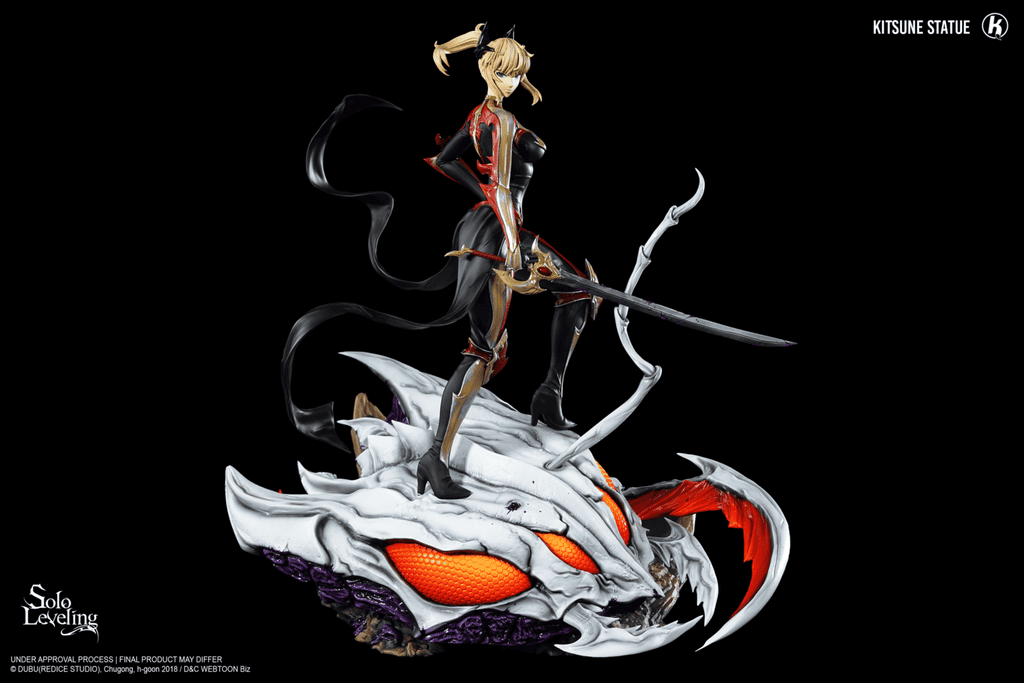
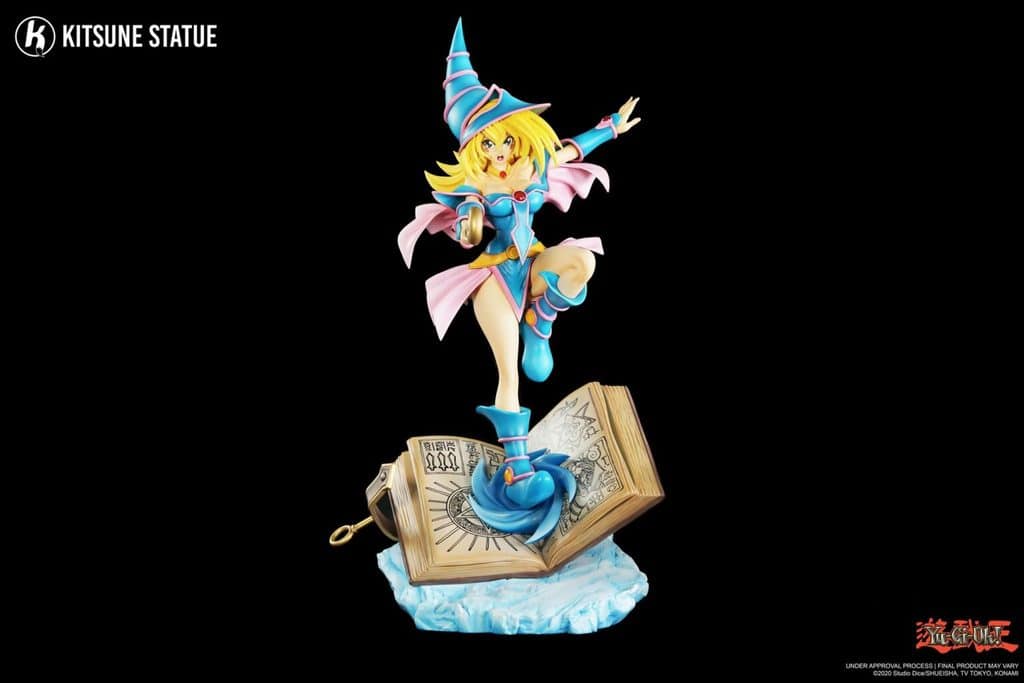
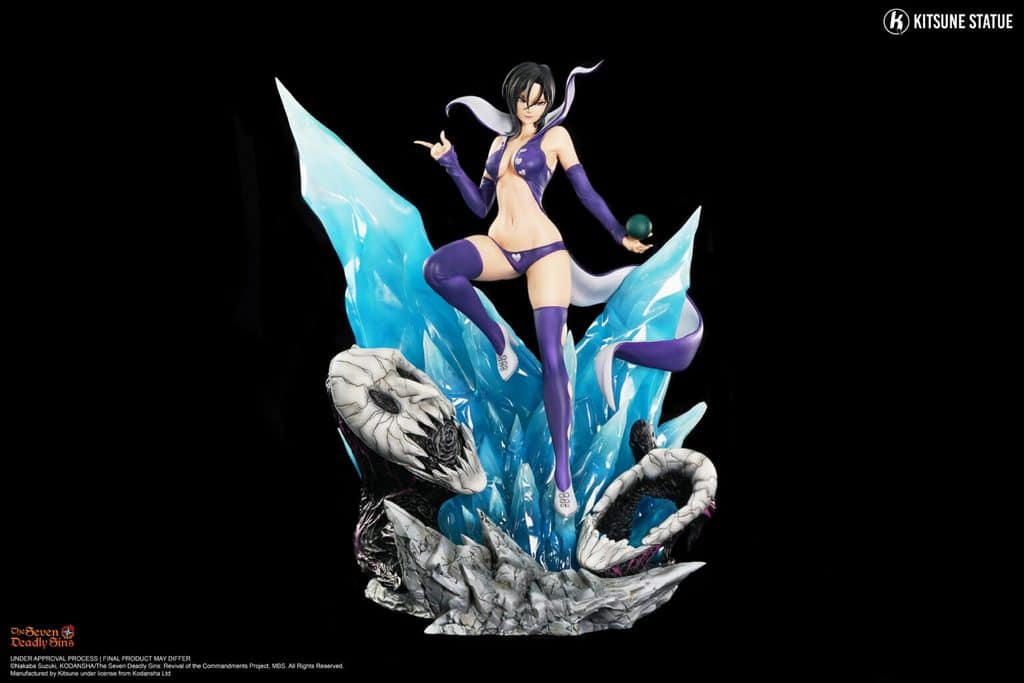
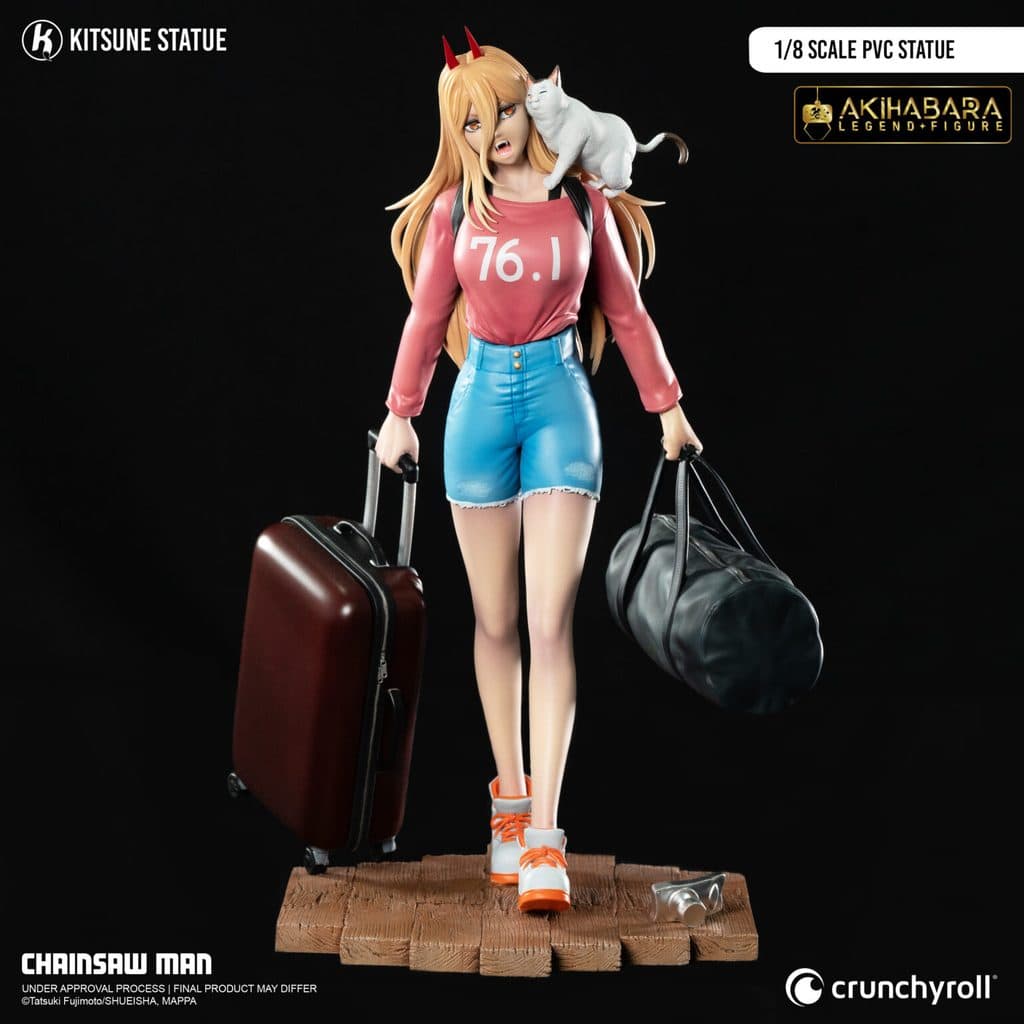
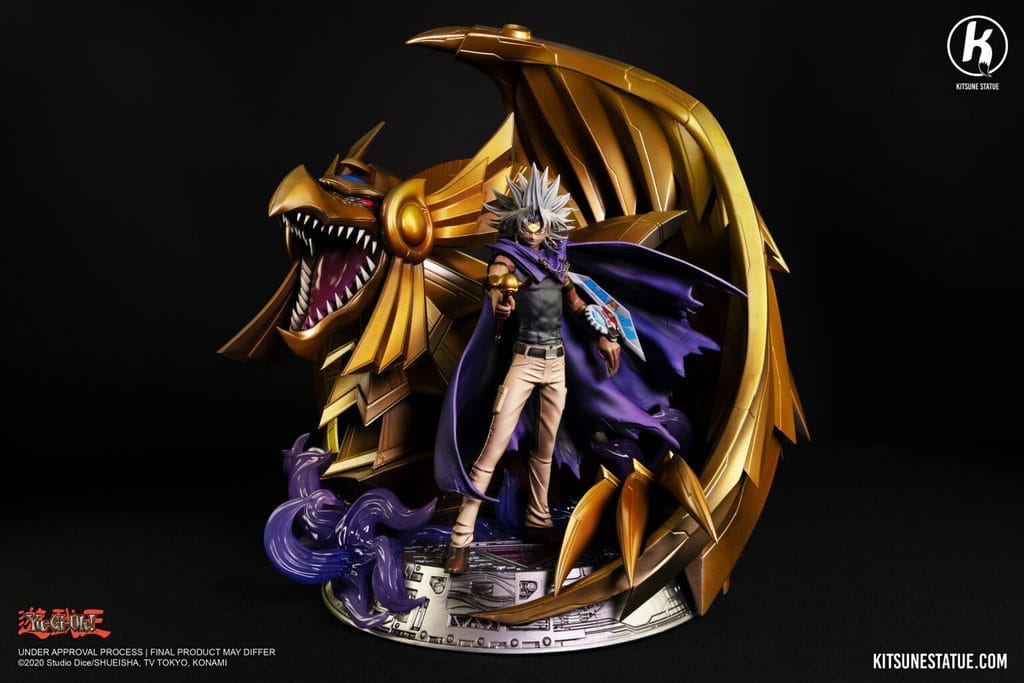
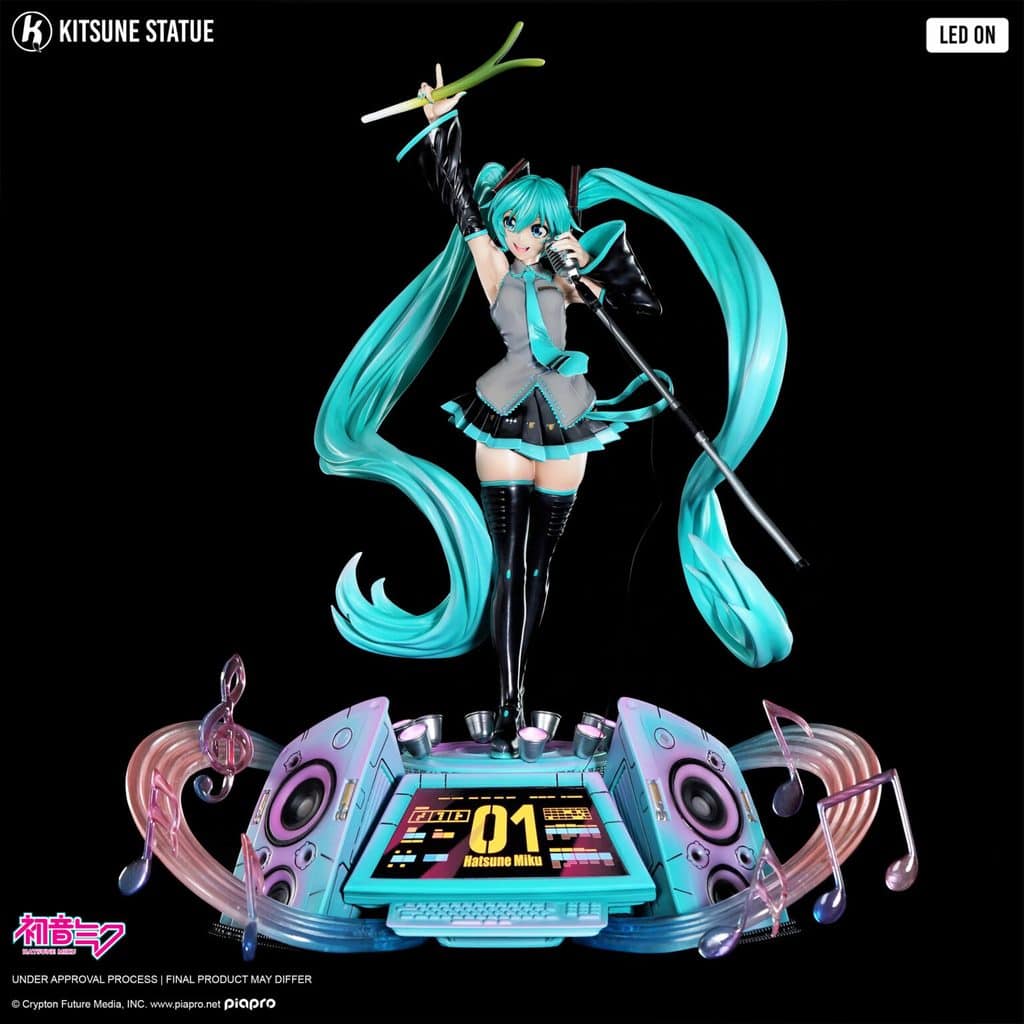
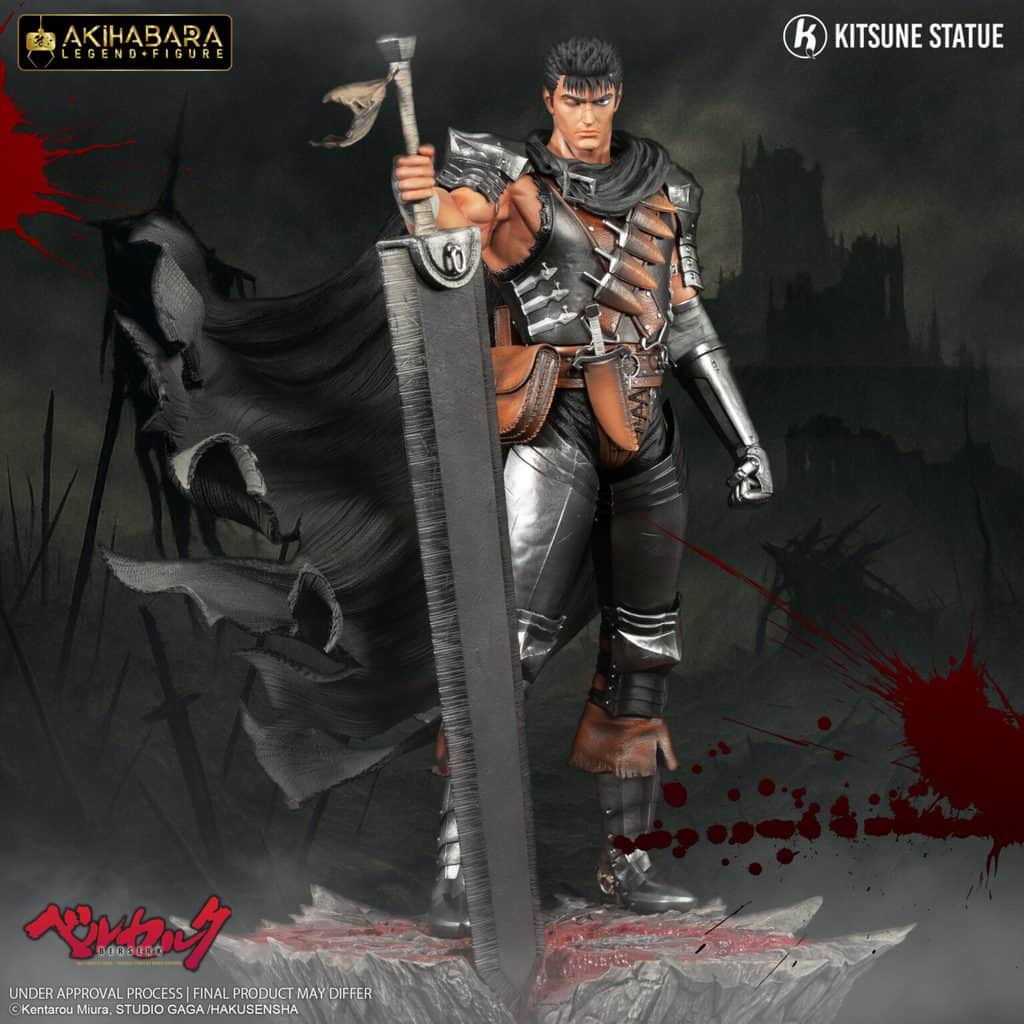
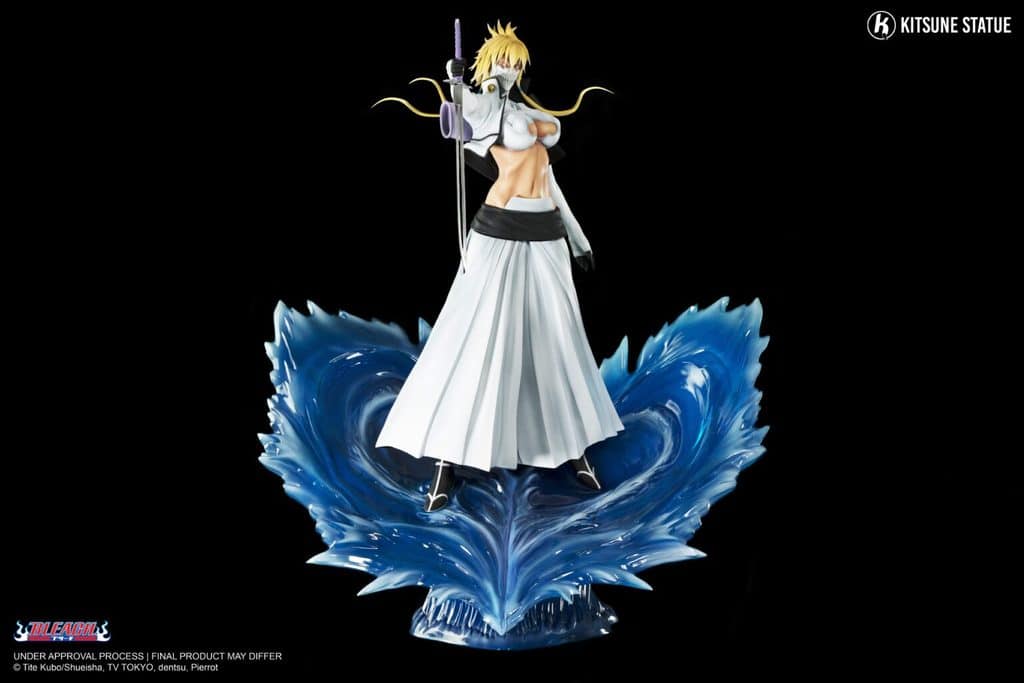
Since its beginnings, Kitsune has built a dense catalogue across a range of licences: Berserk, Bleach, Claymore, Hunter × Hunter, Zetman, Code Geass, Sun-Ken Rock, Seven Deadly Sins, Fairy Tail, Yu-Gi-Oh!, Solo Leveling, One Punch Man, Evangelion, Chainsaw Man. Prices run from around a hundred euros for the smallest pieces to nearly nine hundred for the packs. The Clare versus Rigaldo, from Claymore, is 1/6 scale, like the Toki. The first statue the studio delivered, a Diane from Seven Deadly Sins, stood 48 cm tall and cost €429, in a run of 400.

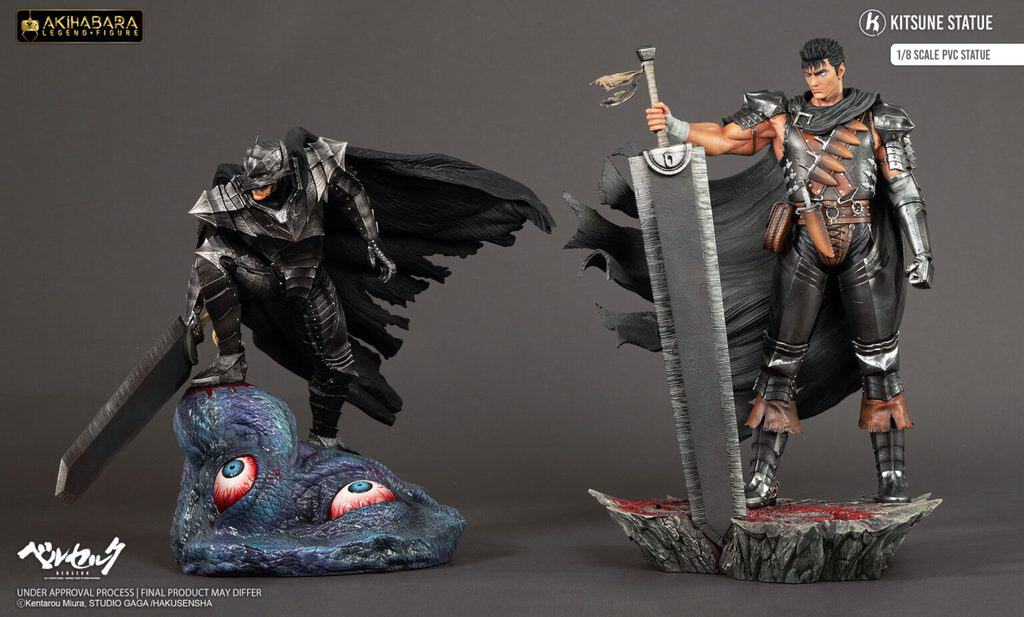
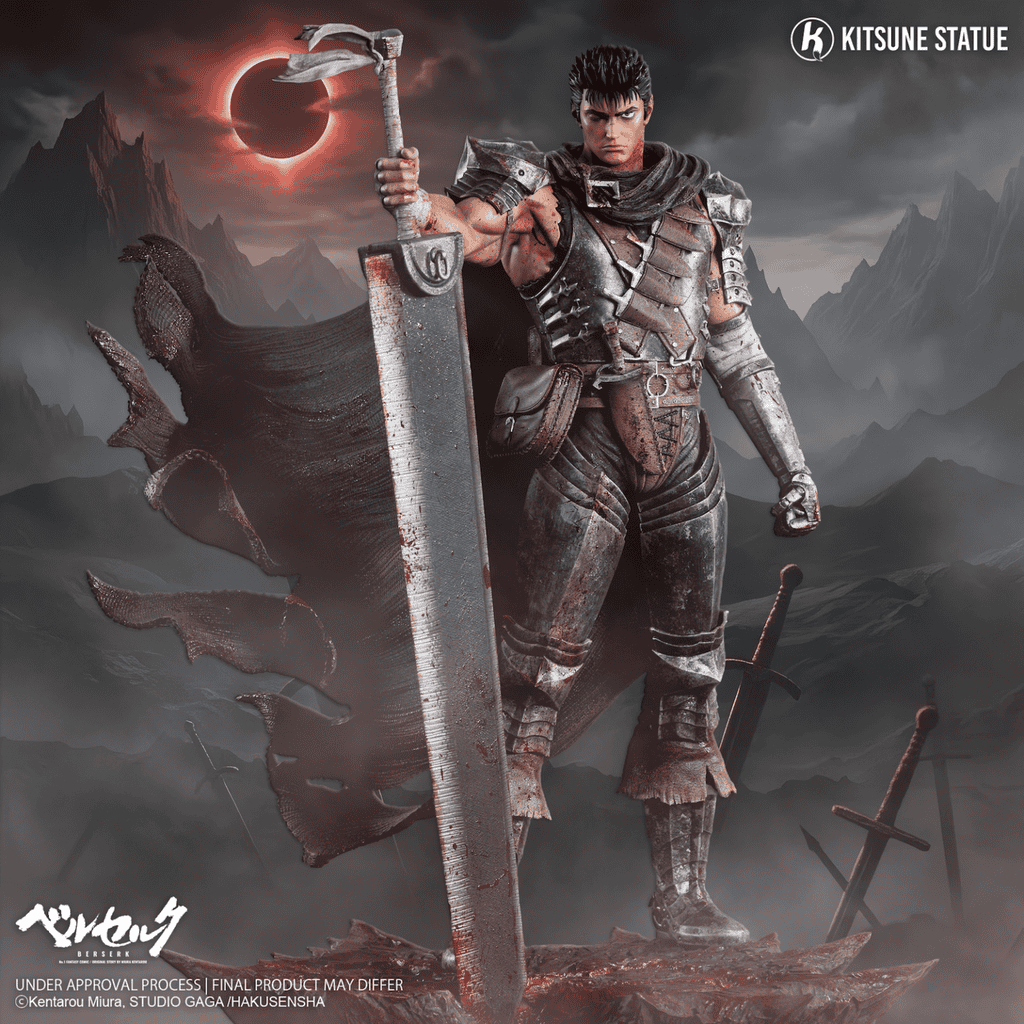
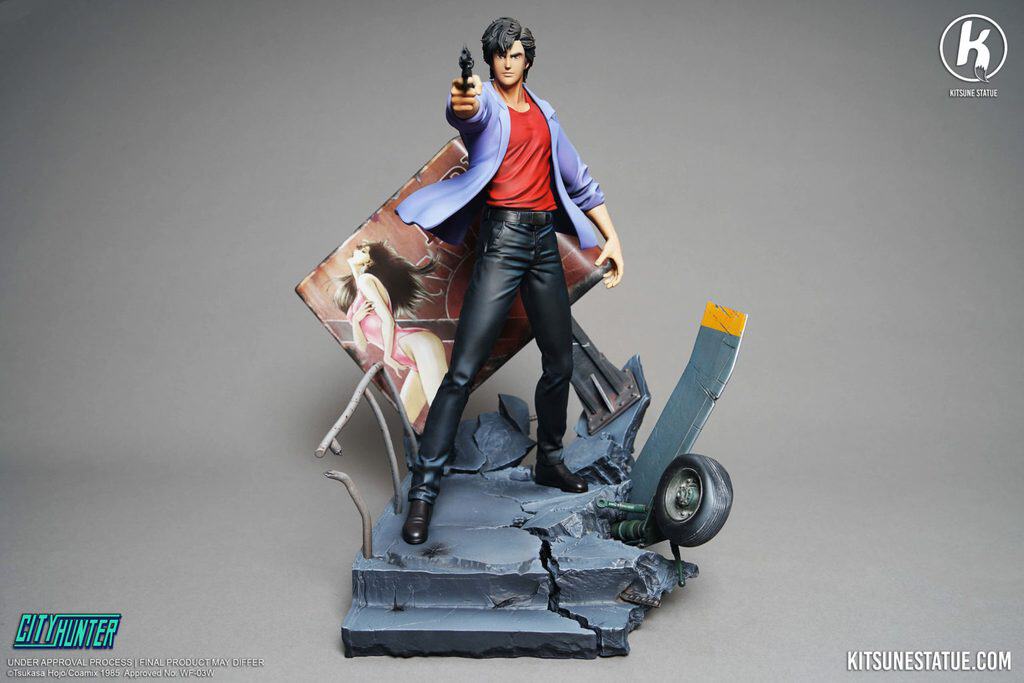
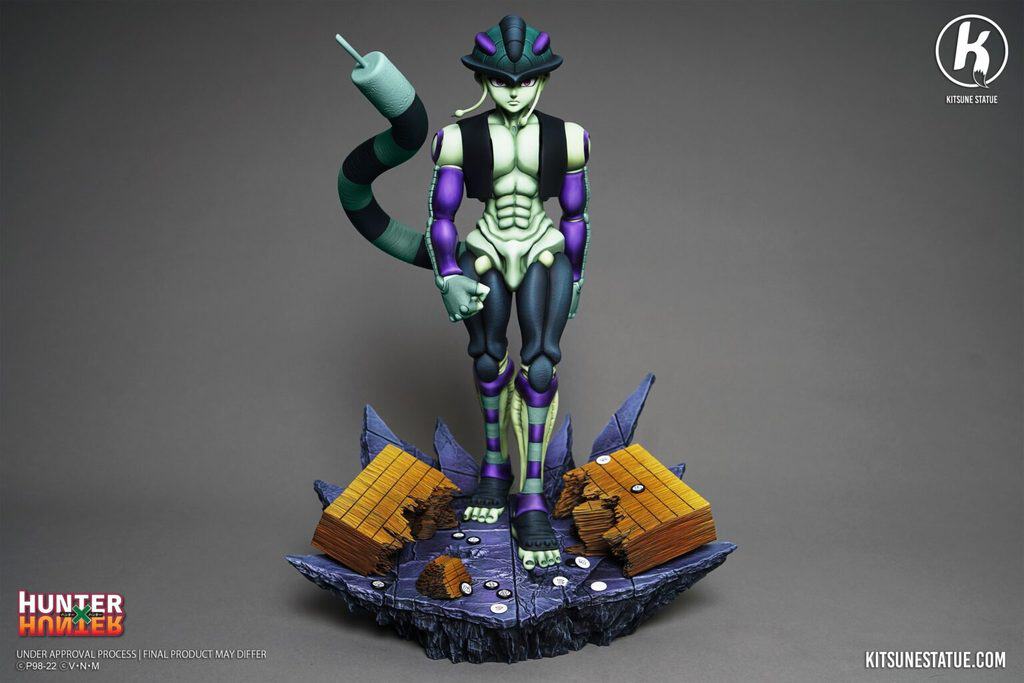
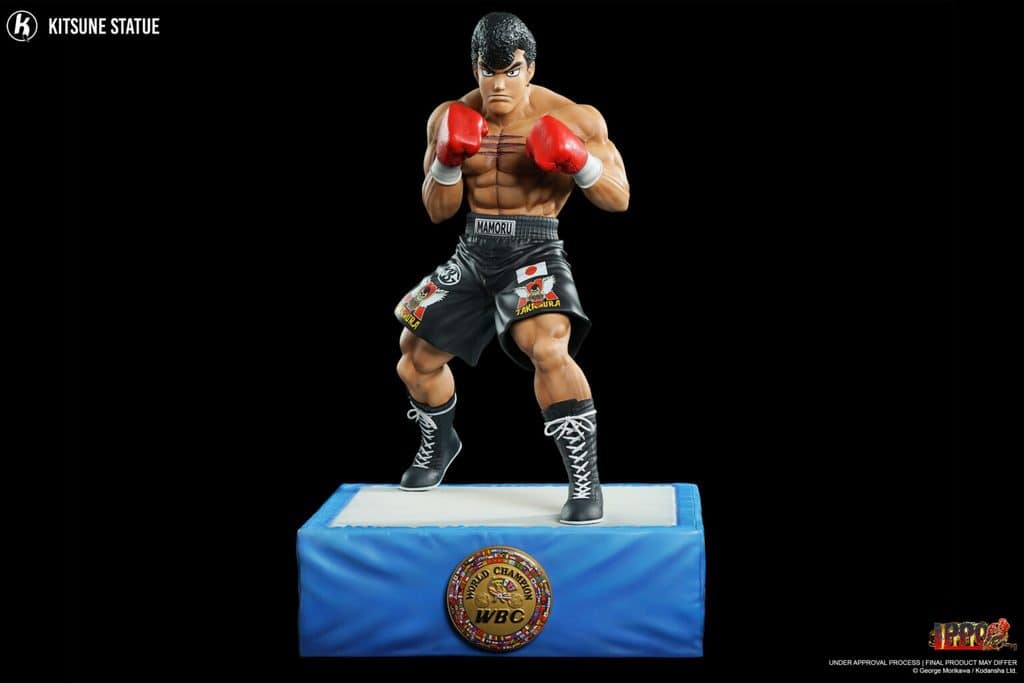
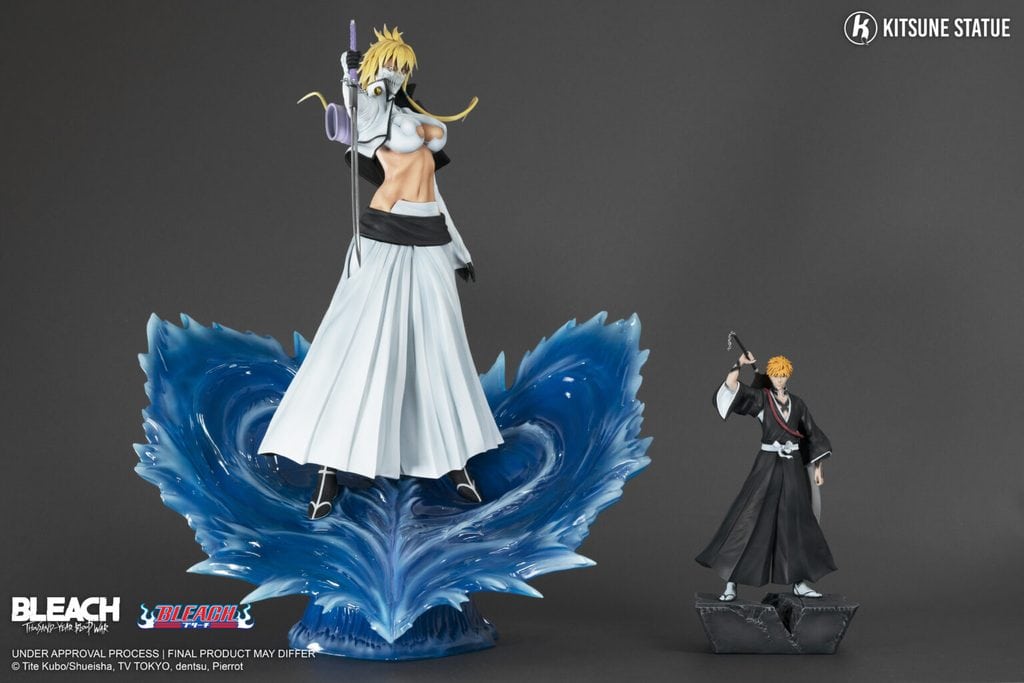
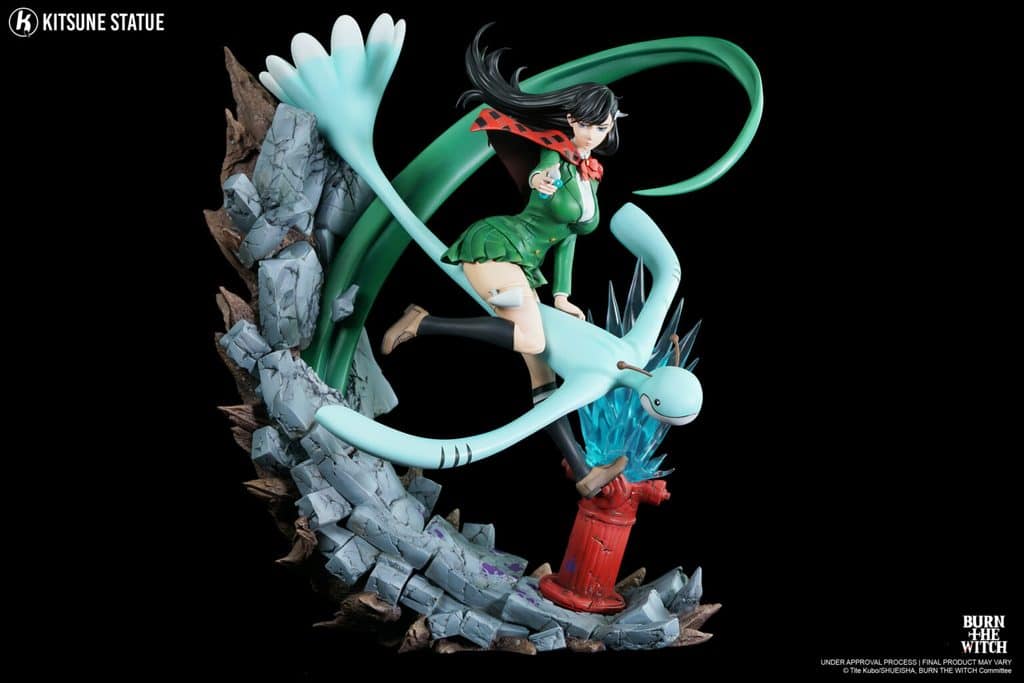
One piece is worth pausing on, because it connects back to our subject. The studio also produced a statue of Ryô Saeba, from City Hunter, at 1/6 scale as well, 36 cm tall, with pre-orders open for a run capped at 500 copies, supplied with two interchangeable heads. The base recreates the damage from an action scene, helicopter blade included, with one of the advertising hoardings that dot the series in the background. And a line on the product page: © Tsukasa Hojo / Coamix. In other words, after Toki, Kitsune went back and knocked on the same door.
Made in a factory, checked by hand
Then there is the manufacturing itself, which happens in a factory, at a distance. In 2020, the studio explained that it had not been able to travel there for quality control and had to rely on the factory instead. When the container arrived, it was the team that opened the boxes and checked the pieces one by one, four of them. On one production run, three quarters had been opened in five days.
Conclusion
Four years after its release, the Tokei Koho remains the only Hokuto no Ken piece in the Kitsune Statue catalogue. The studio has never announced a follow-up, and there is nothing to suggest a full line was ever planned. The product page lists it as out of stock, and no reissue has been announced to date: the statue has become hard to find.
Sources
- Official Kitsune Statue product page: specifications, price, creative team, announcement and release dates.
- Product pages for the studio’s other statues: comparative survey of credits, print runs and prices.
- Video interview with Kitsune Statue, Sephiyo channel, October 2020, third instalment of a series devoted to French resin statue studios: how the team works, licence acquisition, pricing, receiving the productions.
- The studio’s “About” page and the founding announcement published on its Facebook page in November 2017.
- Sacha Delon’s online portfolio; paintwork credits noted on Tsume product pages.