

In Japan, there is a small everyday problem that nobody had really taken seriously until now. When preparing instant noodles, the pot’s lid tends to lift up during the three minutes of cooking. Nothing too serious: you place a spoon, a book, or whatever object is within reach to keep it closed. But one manufacturer came up with the idea of creating an entire line of figurines dedicated to this function. And in this most unusual collection, Kenshiro and his brothers found themselves promoted… to the rank of paperweights.
The origin of the Noodle Stopper concept

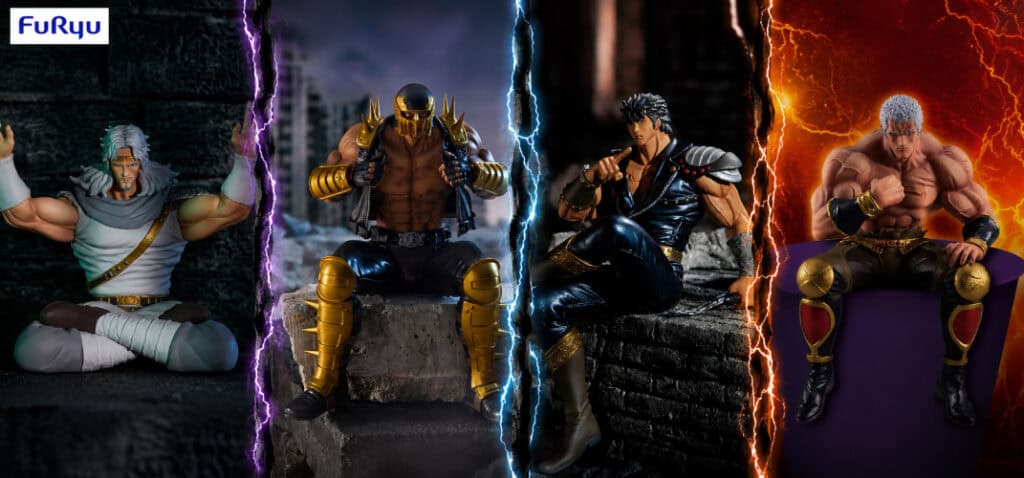
The Noodle Stopper line from FuRyu is based on a principle as simple as it is original: a seated or leaning figurine, designed to rest on the rim of a ramen cup to keep its lid closed during the three minutes of cooking.
The concept may seem absurd, but that is precisely what gives it all its charm. After all, waiting for instant noodles has become a true daily ritual in Japan, a familiar interlude that popular culture has often depicted. FuRyu seized upon this idea to create a line of figurines that are both decorative and functional, designed to accompany this everyday gesture.
Noodle Stoppers and the prize system
To understand Noodle Stoppers, you first need to look at how the Japanese prize system works. Unlike figurines sold in stores, these are distributed exclusively as rewards in arcade halls, where they can be won from the famous claw machines. Officially, they are therefore not commercially available. Their boxes even bear the notice “reserved for amusement, product not sold in retail.”
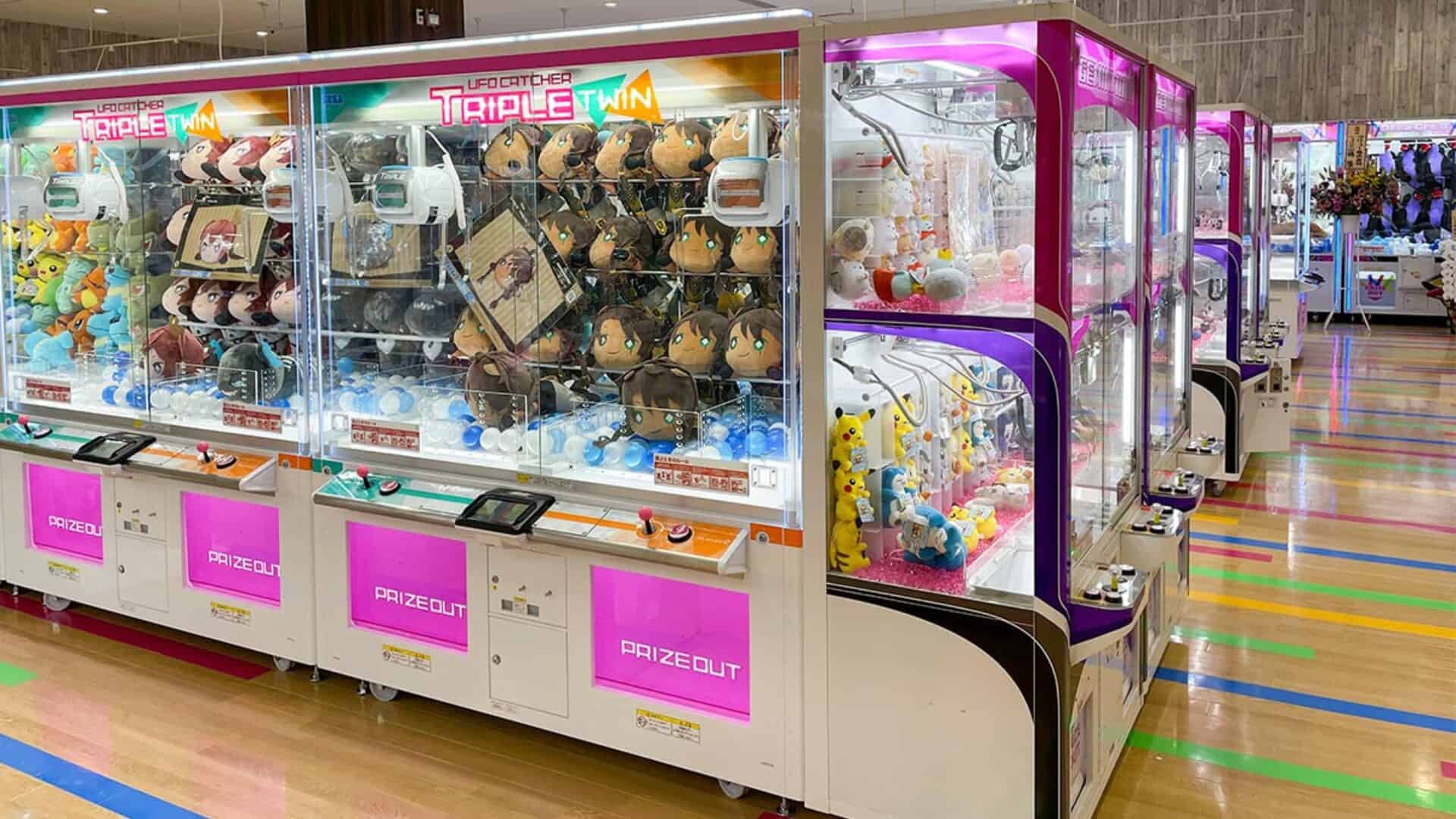
This mode of distribution fundamentally changes their nature. Prize figurines are primarily aimed at arcade visitors, drawn by the desire to try their luck during a game. Manufacturers must therefore design products that are immediately attractive, capable of enticing in just a few seconds behind a display case. This explains their generally compact format, their controlled production costs, and above all, the importance of an original concept. Noodle Stoppers perfectly embody this philosophy by combining a collectible figurine with an everyday object.
The paradox is that these figurines, officially not intended for sale, now fuel a particularly dynamic secondhand market. Players who win them quickly resell them, creating a parallel circuit that has become essential for foreign collectors. For French enthusiasts, this is actually the primary way to acquire these models.
Hokuto no Ken comes to the table
One question remains, however: what does Hokuto no Ken have to do with a story about instant noodles?
The series began in September 2021 with Kenshiro and Raoh, the first two characters selected by FuRyu. It would then take until February 2024 for Toki to arrive, quickly followed by Jagi. The line ultimately consists of only four models, each adopting a seated or leaning posture, natural enough to fulfill its Noodle Stopper function without sacrificing the stateliness inherent to the characters.
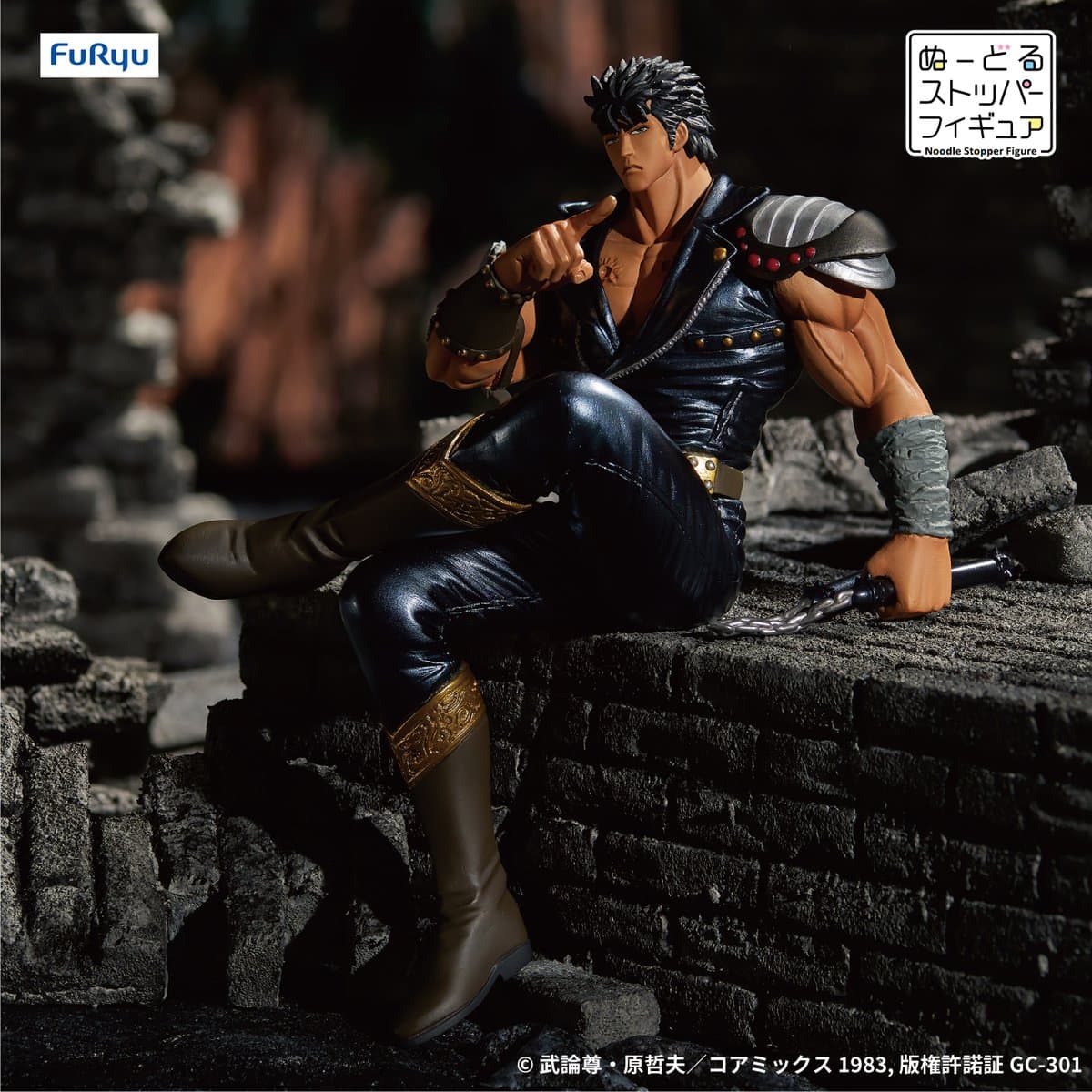
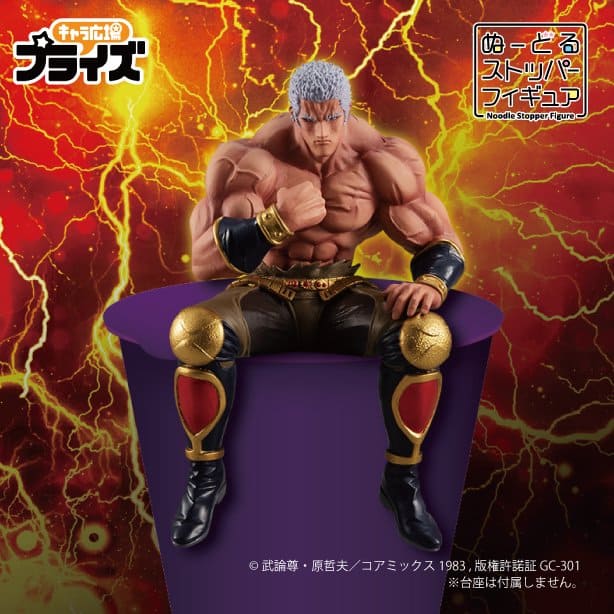
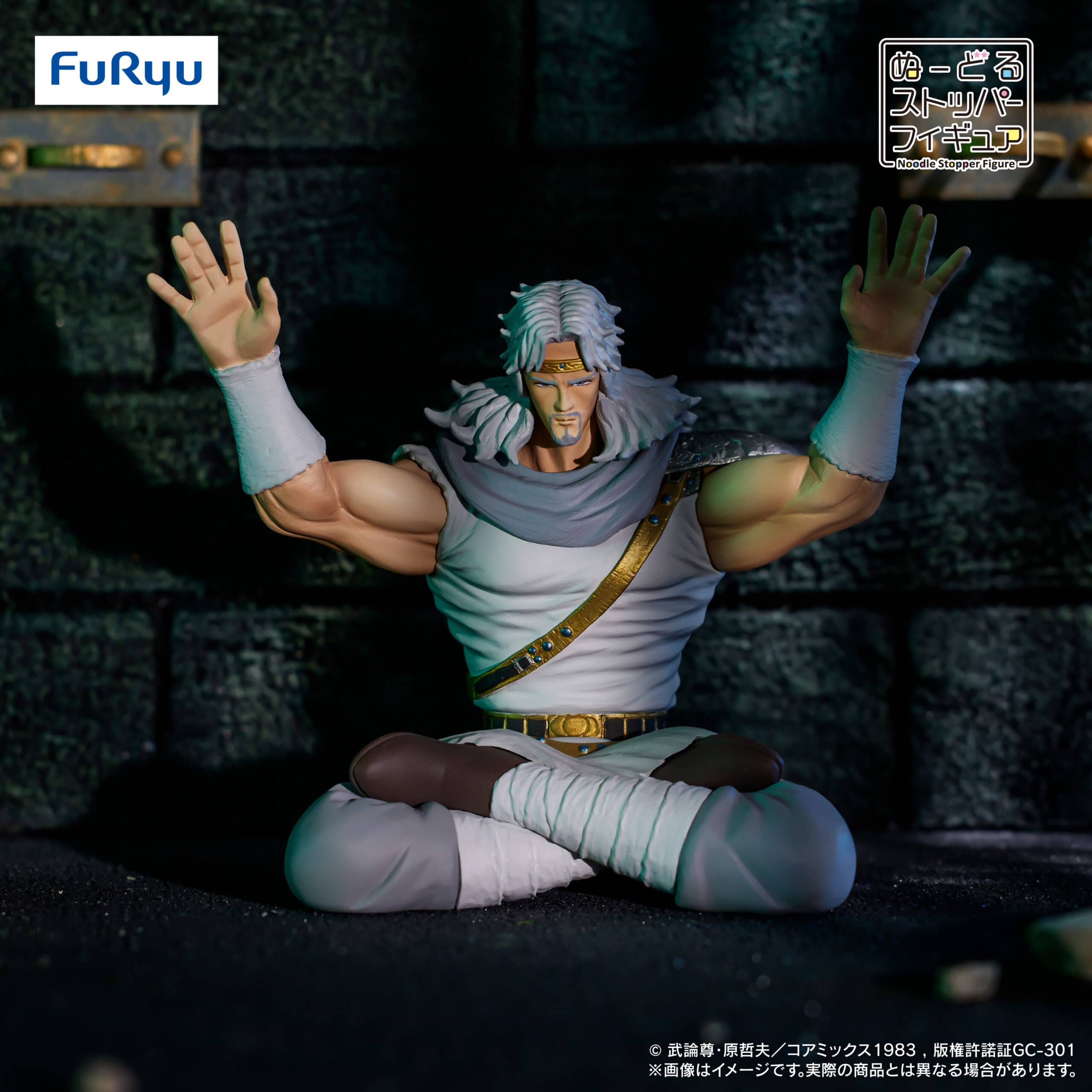
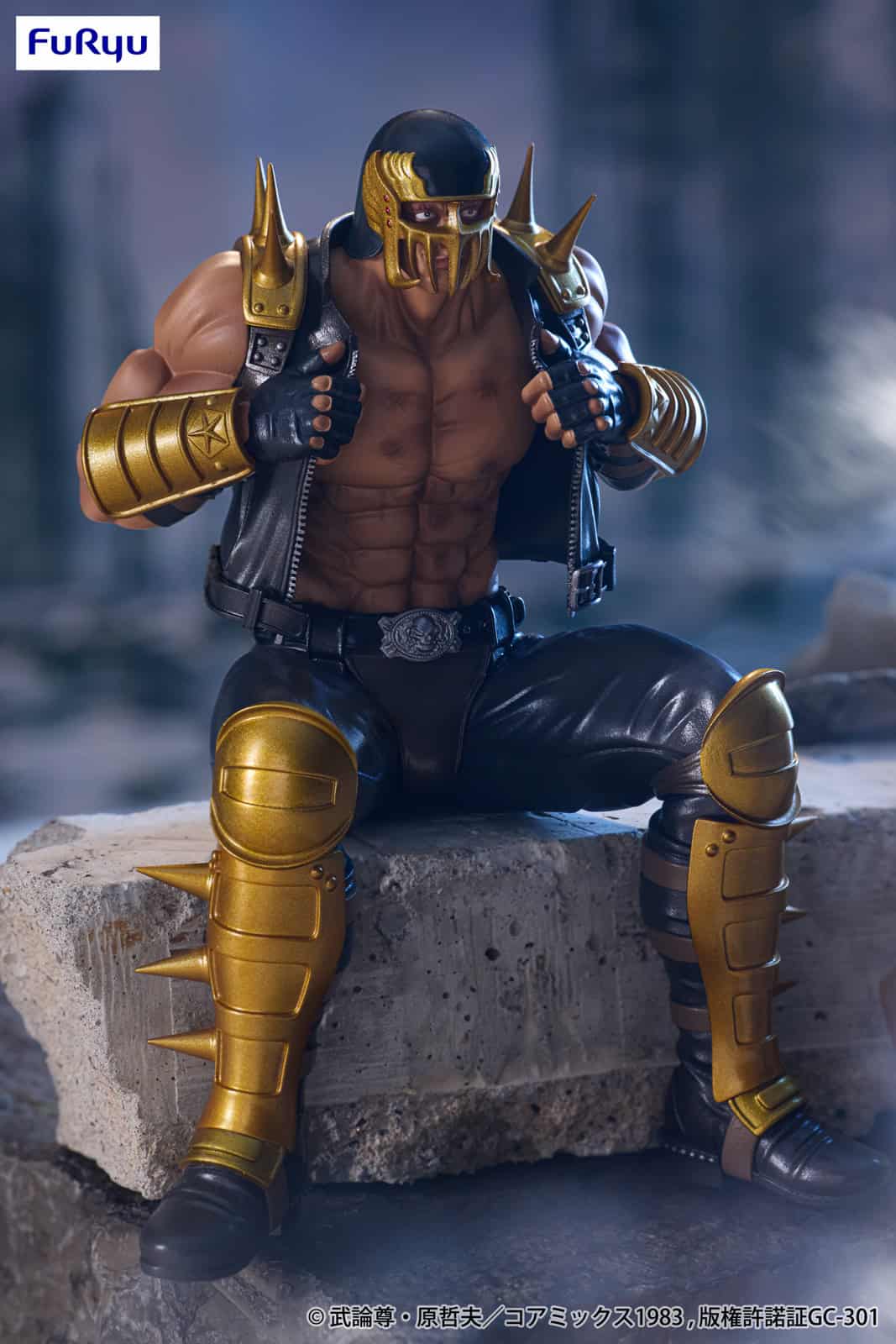
This is precisely where all the charm of this collection lies. Hokuto no Ken is a work defined by violence, titanic battles, and tragic destinies. Seeing it associated with a simple ramen cup creates an unexpected contrast. Yet the sculptures never seek to mock the license. The characters retain all their presence, their musculature, and their gravity. It is not the figurine that is humorous, but the situation itself: seeing Kenshiro silently watching over a bowl of noodles with the same seriousness he adopts during his fights.
A new figurine featuring Maeda Keiji
The line recently saw an unexpected expansion. Since July 11, 2026, FuRyu has been offering in Japanese arcade halls a Noodle Stopper dedicated to Maeda Keiji, the hero of Hana no Keiji -Kumo no Kanata ni-. Standing approximately eleven centimeters tall, the figurine follows the collection’s conventions: a seated pose, detailed sculpting, and a silhouette designed to rest on the rim of a ramen cup.
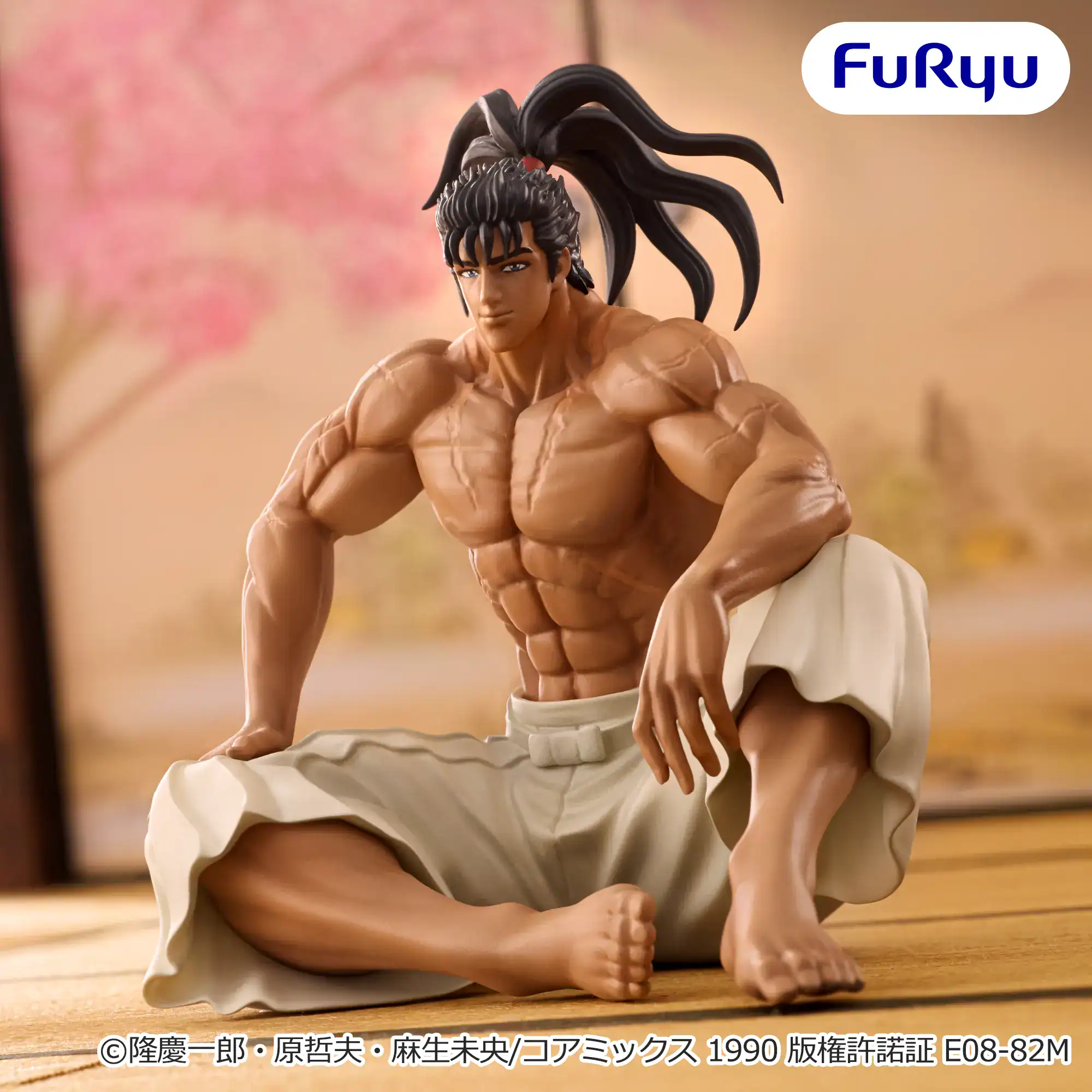
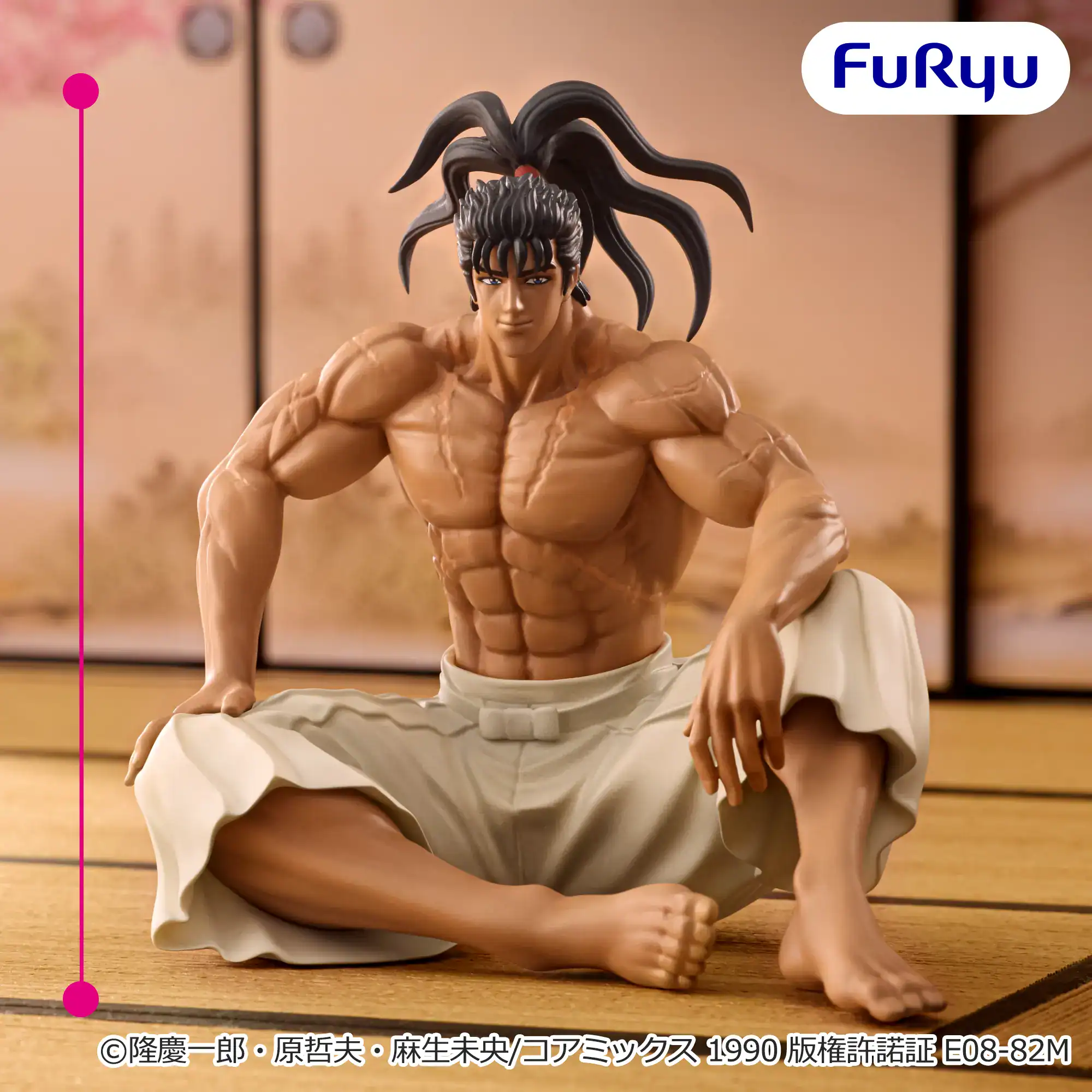
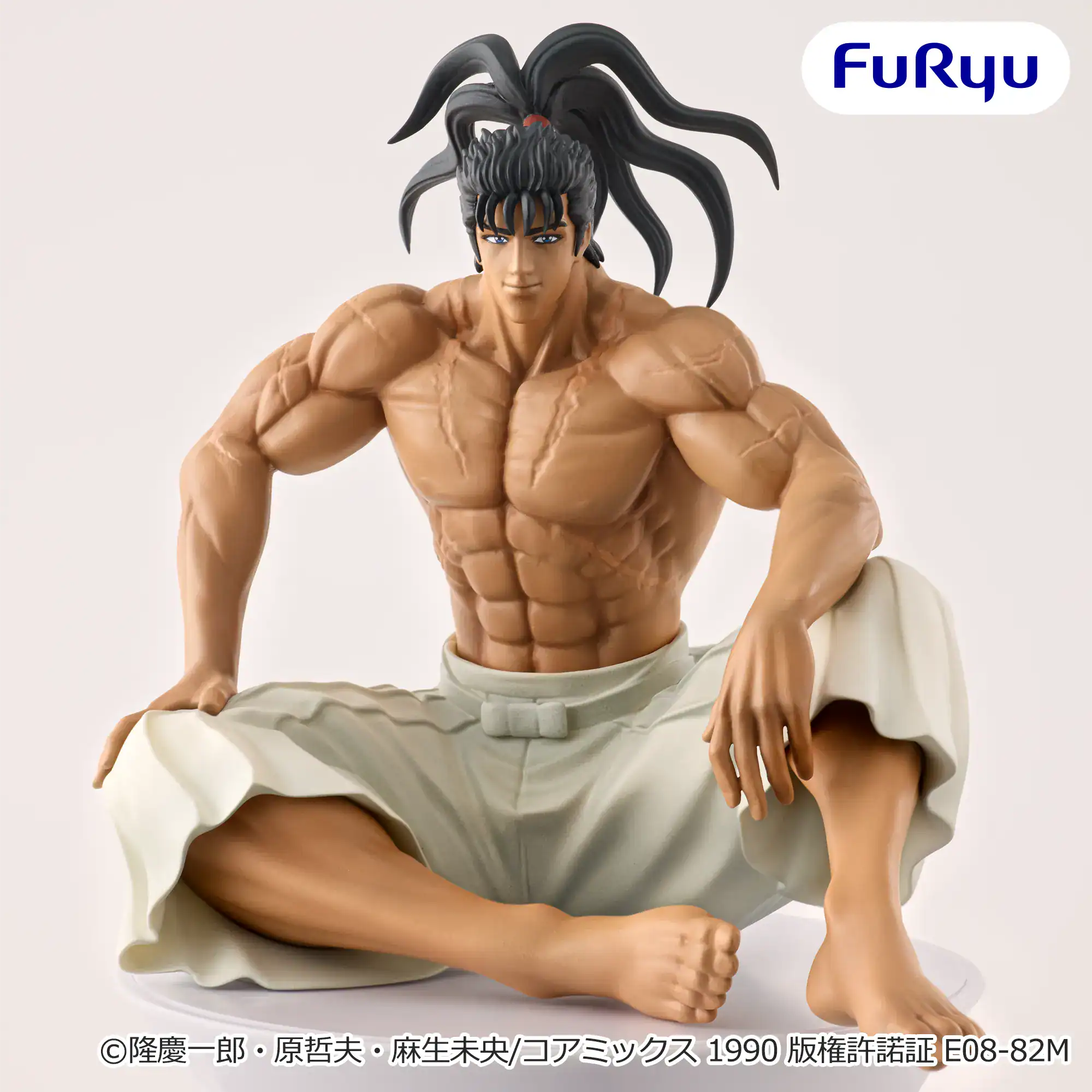
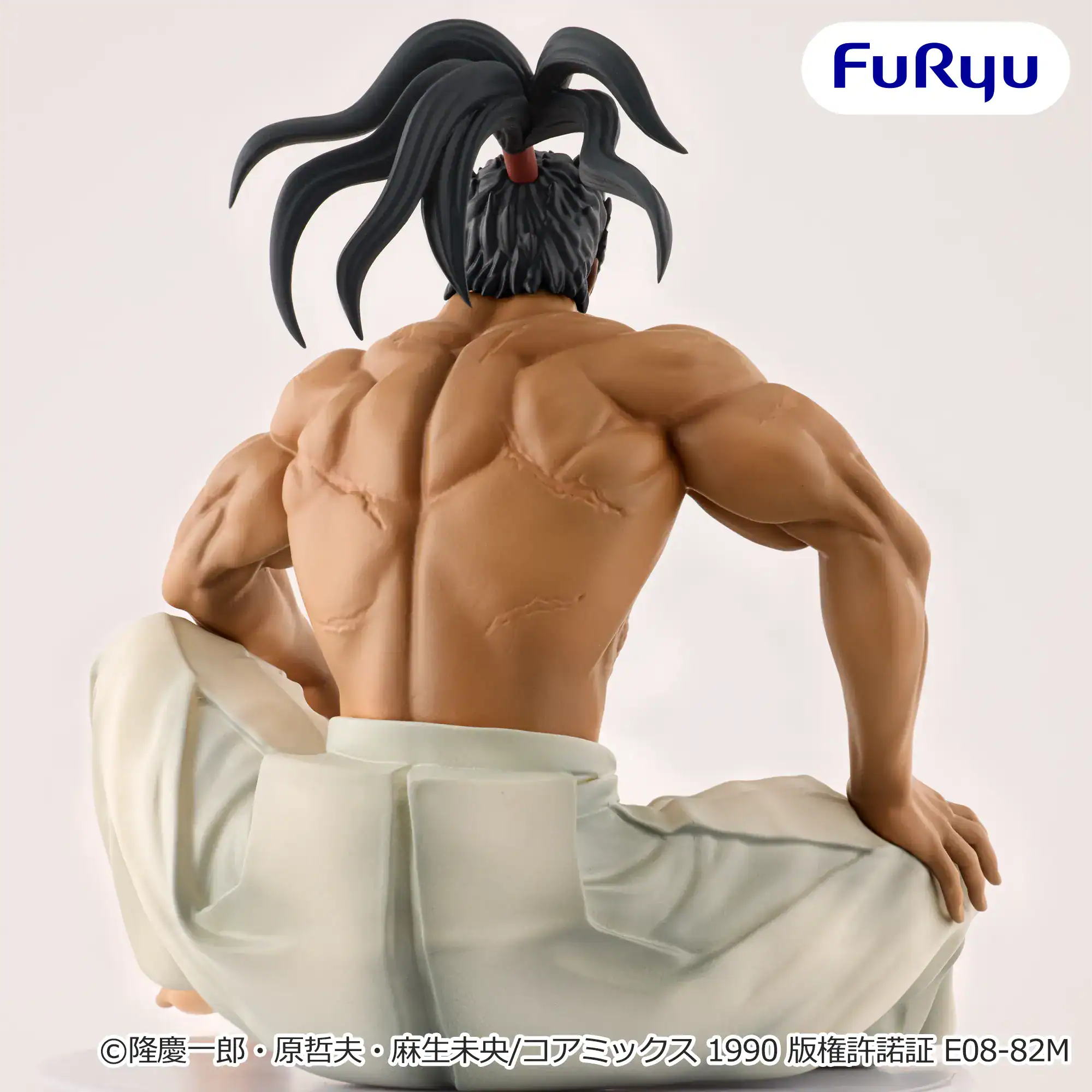
This new addition follows a certain continuity. While FuRyu moves away from Hokuto no Ken, the manufacturer remains faithful to the universe of Tetsuo Hara, since Hana no Keiji is also illustrated by the mangaka. You find the same sense of staging, imposing physiques, and characters with an almost theatrical presence, this time transposed to Japan’s Sengoku era. To accompany the announcement, the official FuRyu account quoted Maeda Keiji’s iconic line, “but that’s what makes it great,” a message that surpassed 350,000 views on social media. Further proof that the contrast between Tetsuo Hara’s heroes and a simple ramen cup continues to captivate audiences.
A gateway into collecting
For collectors, Noodle Stoppers hold a special place. They do not compete with the level of finish found on premium statues or the handcrafted nature of garage kits, but that is not their ambition. Easily accessible on platforms like Mercari, Yahoo! Auctions, or AmiAmi secondhand, they remain available at particularly affordable prices compared to the rest of the Hokuto no Ken market. They thus represent an excellent entry point for starting a collection without a significant investment.
Their main appeal, however, lies elsewhere. These figurines demonstrate a work’s ability to transcend its original medium and find its way into the most unexpected everyday objects. A less iconic franchise would likely have struggled to pull off such a reinterpretation. Hokuto no Ken, on the other hand, lends itself to it with surprising ease. In the end, even when he is holding down the lid of a ramen cup, Kenshiro loses none of his stature.
For details on the four pieces, release dates, and technical specifications, see the FuRyu – Noodle Stopper entry in our Figurines section.